





 Portuguese
  English
  Spanish
 3 min of reading


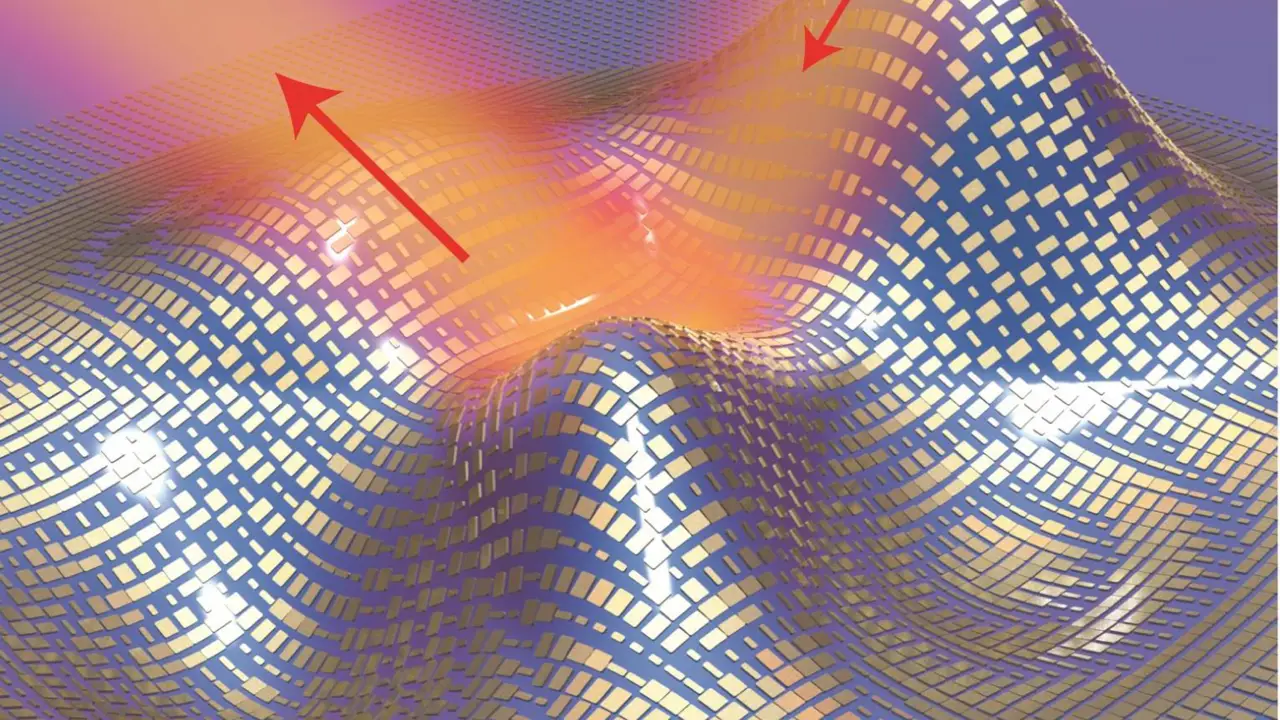
Thinking About The Future Of Technology, Chinese University Students Created An ‘Invisibility Cloak’ That Allows Users To Become “Invisible” To Security Cameras. In Practice, The Specific Camouflage Allows Humans To Be Unrecognized By Artificial Intelligence, Thus Transforming The Modern Battlefield.
Named InvisDefense, the project from Wuhan University will allow people to escape from security cameras controlled by artificial intelligence. The information was provided to the British newspaper The Sun.
However, quite different from the Harry Potter universe, the magic of the invisibility cloak is not, literally, in invisibility. In fact, it is like a normal coat but contains advanced algorithms that create patterns capable of camouflaging the user from the eyes of modern machines.
During the day, the patterns of the invisibility cloak can blind AI cameras, while at night, the cloak emits heat signals to confuse infrared cameras. Moreover, the coating of the coat also has the potential to clarify some detection systems of autonomous cars. On the other hand, this system would not be able to deceive human surveillance camera operators.
-
The largest scientific infrastructure ever built in Brazil cost R$ 2.8 billion and now gains four new lines to reveal materials, microchips, and even microorganisms at the atomic scale; meet Sirius.

-
A simple cable splice can cost R$ 500,000 in the high-voltage underground project that promises to change the energy game in Brazil and challenge the limits of national electrical engineering.

-
Four robotic arms printed steel layer by layer in Amsterdam and created the world’s first 3D bridge, measuring 12.2 meters, with smart sensors and almost no material waste.
-
While cities like Tokyo, New York, and Frankfurt may take up to 18 months to build a single large-scale water-cooled data center, Google and SpaceX confirmed in May 2026 formal negotiations to launch entire artificial intelligence processing facilities into low orbit before 2030, using Elon Musk’s company’s Starship V3 rockets, with solar power 36% more efficient than on Earth’s surface, vacuum radiative cooling, and prototypes of Project Suncatcher already scheduled to enter orbit in early 2027.




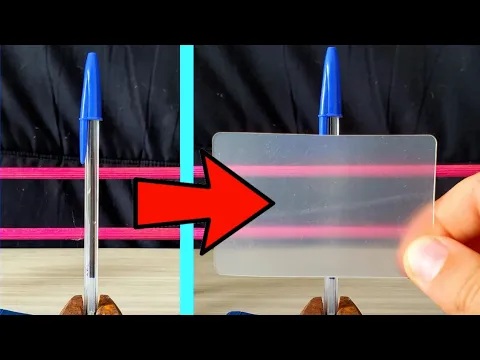
New Chinese Invisibility Cloak Required Over 700 Tests

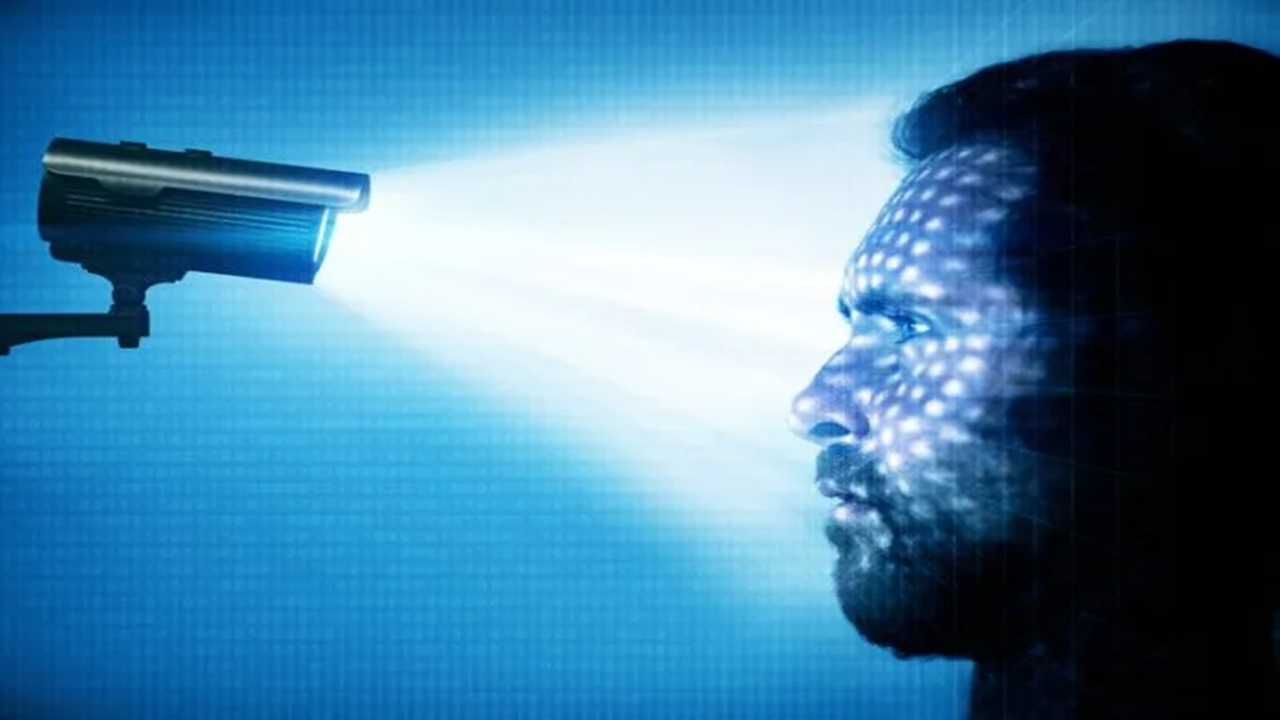
In an interview with the South China Morning Post, the project supervisor, Professor Wang Zheng, stated that “Currently, many surveillance devices can detect human bodies. The cameras on the road have capabilities to detect pedestrians, and smart cars can identify pedestrians, roads, and obstacles.”
In addition, he reformed about the project: “Our InvisDefense allows the camera to capture you, but it cannot tell if you are human.” About the project, it is the first of its kind to avoid detection by public pedestrians, with the system needing over 700 failures to get it right.
After this initial moment, the invisibility cloak secured first place in a technology course at Huawei and will now be presented at the AAAI 2023 AI Conference in the US in February. Furthermore, it is worth noting that, aside from being super practical, it would also be quite accessible to the average consumer.
This is because the coat would cost around US$105, approximately R$550.00 in a direct conversion. However, Wei Hui, the Ph.D. student behind the invisibility cloak, states that his true intention is to stand out in his industry by offering innovative technology.
Regarding the project, he stated that “Traditionally, researchers used bright images to interfere with machine vision, and it worked … but stands out to human eyes, making the user even more visible.” Finally, he adds that “We use algorithms to design the least visible patterns that can disable computer vision.”
On the other hand, it is worth highlighting that the invisibility cloak will have great significance in the military market. This is because the technology could be used in uniforms, where soldiers can avoid detection by drones or AI-controlled units.
Finally, the researchers are still seeking to find flaws in the project to ensure greater accuracy in the invisibility cloak.


Be the first to react!