Portuguese
  Spanish



Two Young Frenchmen Developed an Intelligent Speed Bump That Only Affects Those Who Disrespect the Speed Limit. The Innovative Proposal Has Already Grabbed Attention in Road Safety Competitions and Could Transform Urban Traffic.
Two students from the city of Nancy, France, developed a smart speed bump that could change how drivers perceive speed reducers.
The proposal is simple, yet innovative: penalize only those who exceed the speed limit. The project’s name is BumpGuard, and it has already attracted the attention of road safety experts.
How the Selective Speed Bump Works
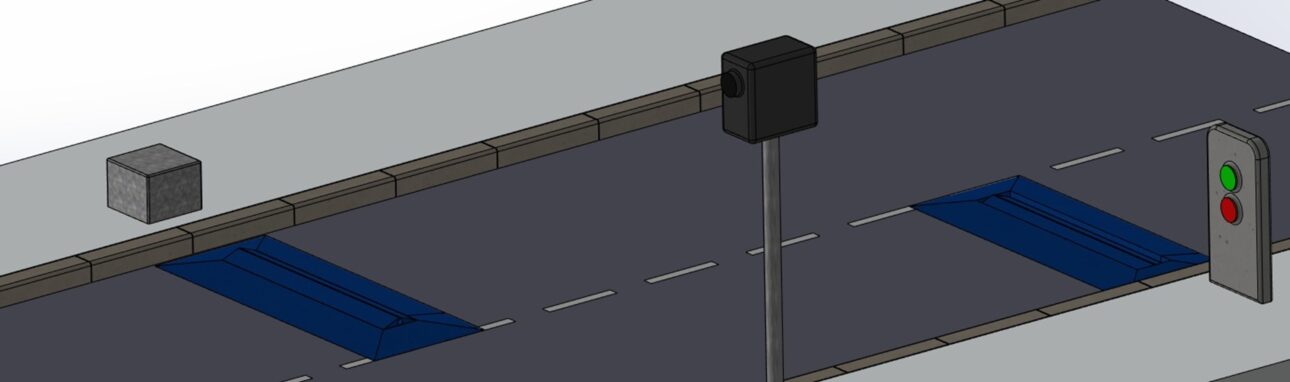
The BumpGuard uses a radar installed before the crossing point. This radar detects the speed of the approaching vehicle.
-
Extreme Heat of 41.3°C Warps Roads in Germany, Causes Autobahn Asphalt to Crack, Injures People, and Forces Snowplows to Cool Down Highways

-
AI Security System in Brazil Aims to Cut False Alarms by Differentiating Pets from Intruders, Enhancing 24/7 Monitoring for Homes and Businesses

-
Archaeologists Discover 1,500-Year-Old Byzantine Mosaic with Greek Biblical Inscription in Israel, Uncover Ruins of 10 Buildings Near Kiryat Gat
-
Ohio Carpenter Finds 308-Gram Meteorite the Size of a Baseball After Dreaming of Its Location





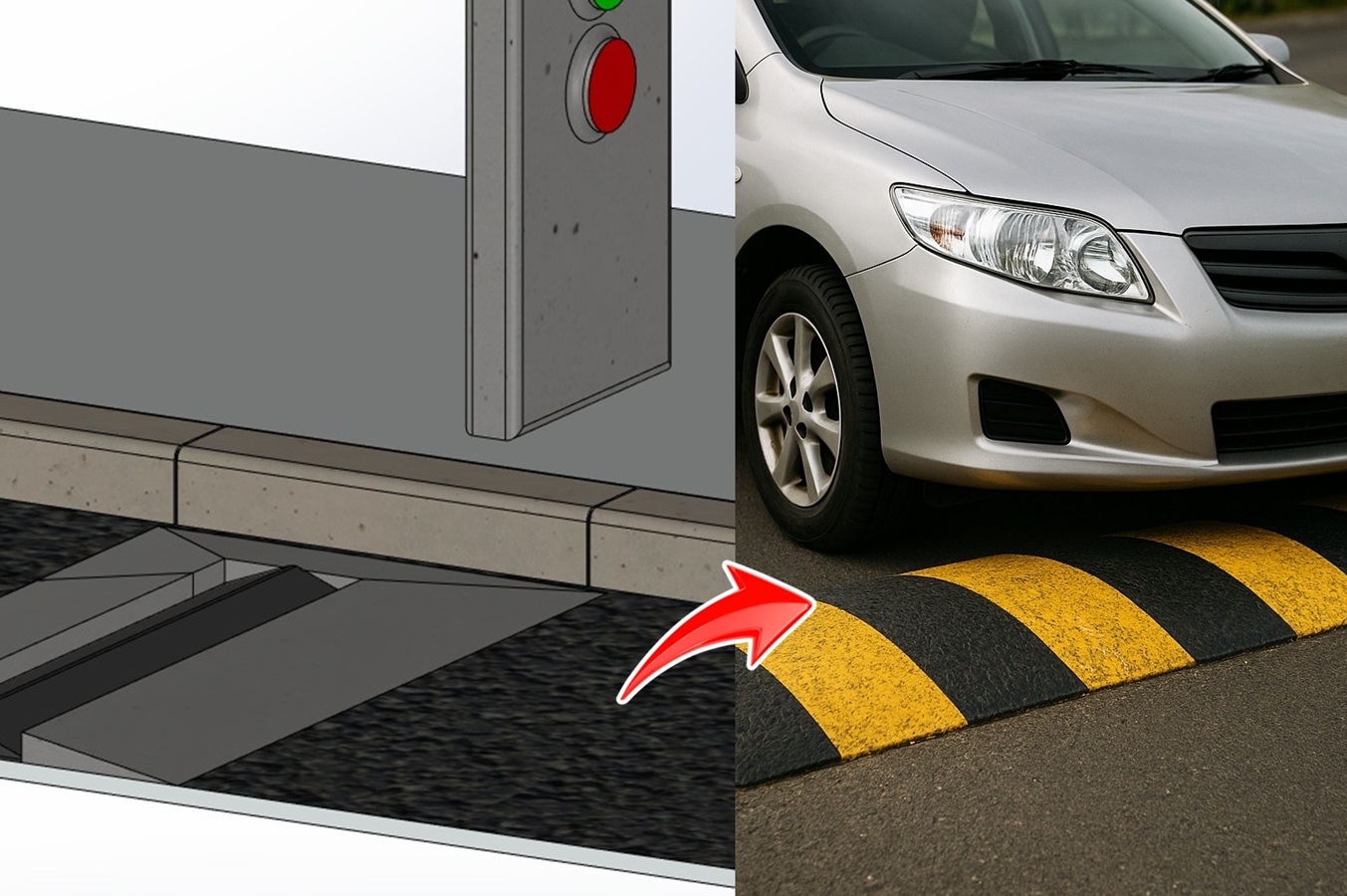
If the driver is above the limit, a mechanical bump rises on the asphalt. Thus, the driver must reduce speed to avoid damage or discomfort.
On the other hand, if the limit is respected, the speed bump remains flat. The car passes without impact, and the careful driver is, in a way, rewarded.
This mechanism reduces unnecessary braking, prevents excessive wear on vehicles, and improves traffic flow.
Additionally, the system features a warning light for pedestrians. When a vehicle approaches at high speed, a light signal alerts people who are about to cross.
This visual reinforcement increases safety at crosswalks, especially in school areas.
Solution for Critical Areas
The creators’ motivation arose due to the increase in accidents involving pedestrians and cyclists in urban areas. Locations such as crosswalks, bus stops, and areas with a 30 km/h speed limit are the most concerning.
In these regions, the presence of traditional speed bumps causes slowdowns and discomfort, even for those driving correctly.
Therefore, the objective of BumpGuard is to improve traffic in these locations without punishing all drivers.
The project aims to replace outdated devices, such as conventional speed bumps, Berlin bumps, and even automatic traffic lights, which are often ignored.
The most important aspect is that the system also seeks to offer low installation costs.
The creators envision a temporary structure that can be positioned over the road without the need for major construction work. This represents a significant advantage for municipalities with tight budgets.
Development and First Steps
The idea of the selective speed bump emerged in October 2024 during informal conversations between students Théo Hoffmann and Louis Marconnet. In December of the same year, they decided to enter the project in the Road Safety Innovation Challenge.
Participation in the competition was a milestone. The BumpGuard ranked among the 19 finalists and secured third place. The recognition brought visibility and, most importantly, access to financial resources to begin development.
Since March, the two students have dedicated themselves to the project within their academic curriculum. They are taking entrepreneurship classes and creating mockups and initial representations of the system. With the funding obtained, the first functional prototype will be built by June of this year.
Differences Compared to Existing Solutions
The BumpGuard stands out for operating only when necessary. This means the system does not inconvenience drivers who follow the rules, unlike common speed bumps that penalize everyone equally.
Another distinguishing feature is durability. Traditional speed bumps wear out easily and require constant maintenance. The students’ proposal aims to overcome this problem with more efficient materials and solutions.
Furthermore, the focus is not solely on penalizing. The system aims to remind drivers of the importance of respecting speed limits, without direct punishments for minor infractions. The driver who follows the rules feels the practical benefits: less wear on the car, more comfort, and smoother traffic.
Next Steps and Ambition
With the prototype under construction, the creators of BumpGuard want to participate in more innovation competitions and secure technical support. The goal is clear: to make the first real installation in a French city.
Another important plan is to integrate into the Pépites network through the PEEL incubator. This connection is expected to accelerate project development, open doors for partnerships, and provide administrative support for the official establishment of the company by 2026.
The intelligent speed bump is still in its early stages but already shows great potential. By combining simple technology, low cost, and a focus on safety, BumpGuard could become a real and effective solution to modern traffic challenges.