Portuguese
  Spanish


Police operation reveals clandestine scheme that threatened fuel supply and put residents at risk of a large-scale tragedy
A criminal scheme discovered in the Federal District revealed the dangers of fuel theft in the country’s strategic structures. Criminals dug an underground tunnel to reach a Petrobras pipeline and illegally extract fuel. Besides the financial loss, the action put thousands of lives at risk and created a significant environmental threat.
The information was released by Metrópoles based on data from the Civil Police of the Federal District (PCDF), Civil Defense, and Transpetro. The case came to light after the discovery of a clandestine structure built under a rented house in Ceilândia.
On Sunday, June 8, 2026, Transpetro reported that it completed the repair of the affected section of the São Paulo-Brasília Pipeline (Osbra). With this, the company resumed normal operation of the system responsible for supplying various regions of the country.
-
OPEC+ Boosts Oil Supply by 188,000 Barrels per Day in July 2026, Leading to Price Drop from $112 to $89 per Barrel in Under Two Months

-
TotalEnergies Signs 20-Year Deal to Purchase 2 Million Tons of LNG from Alaska, Boosting Project Viability
-
Turkey Deploys Çağrı Bey Drilling Ship to Explore New Oil Frontier Off Somalia’s Coast
-
Golden Pass LNG Ships First Liquefied Gas Cargo from the U.S., Completing $10 Billion QatarEnergy and ExxonMobil Investment

How the fuel theft scheme worked
According to investigations, the suspects rented a house in the Vista Bela condominium in Ceilândia, approximately three months before the police operation.
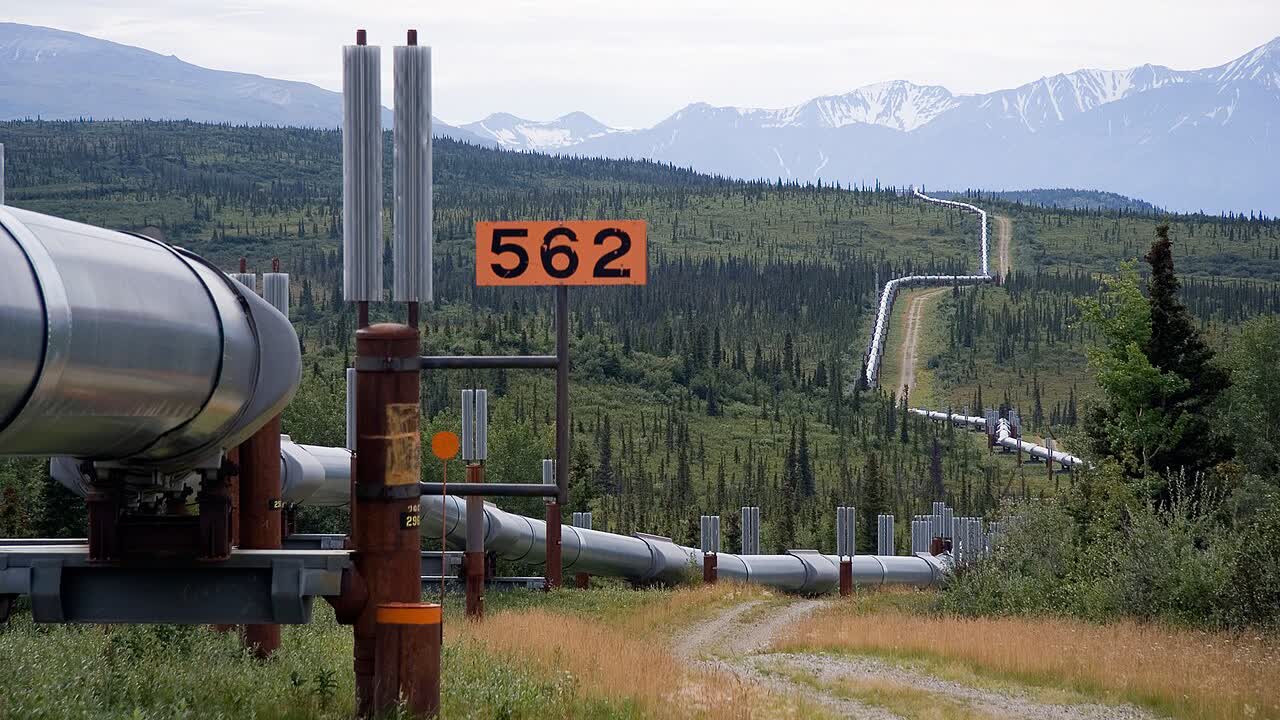
From the property, they began digging an underground tunnel. The goal was to reach the São Paulo-Brasília Pipeline, known as Osbra.
After accessing the pipeline, the group began to illegally extract fuel. According to the Civil Police, during the week of the operation alone, the criminals stole about 100,000 liters of fuel.
Moreover, each liter extracted increased the risk of a serious accident. Any failure during drilling could cause leaks, fires, or even explosions.
For this reason, Transpetro emphasized that crimes against pipelines represent a direct threat to the population and the environment. The company also highlighted that it works in conjunction with security agencies to combat this type of practice.
Meanwhile, the company keeps the phone line 168 available. The channel operates free of charge 24 hours a day for anonymous reports of suspicious movements near the pipelines.
Pipeline repair allowed resumption of supply
After the discovery of the theft, technical teams immediately began work to recover the structure.
According to Transpetro, the completion of the repair allowed the normal operation of Osbra to be restored. Thus, the transfer of fuels to the served markets resumed without restrictions.
The company also reported that it is a recurring victim of this type of criminal action. Therefore, it constantly invests in monitoring and preventive actions.
In addition to the economic loss, fuel theft can cause severe environmental damage. Consequently, any leak has the potential to contaminate the soil and reach nearby areas.
Civil Defense warns of structural risk
Shortly after the discovery of the tunnel, Civil Defense ordered the preventive isolation of the area.
According to the agency’s technicians, improper removal of soil compromised the stability of the land. As a result, neighboring properties began to present structural risk.
According to experts, this type of excavation can cause settlements, cracks, fissures, and localized sinkings.
In more severe situations, partial or even total collapse of the affected constructions may occur.
Furthermore, the presence of a pipeline transporting flammable fuels increased the danger even more.
Explosion risk concerned authorities
Another point that caught the attention of the authorities was the risk of explosion.
According to Civil Defense, a potential leak could generate an accumulation of flammable vapors in underground areas. Consequently, the environment would become conducive to fires and large-scale explosions.
Delegate Fernando Fernandes, from the 19th Police Station (P Norte), stated that Transpetro specialists evaluated the scenario.
According to the studies presented, an explosion could affect an area of approximately 3 kilometers in diameter.
Therefore, thousands of people could suffer direct impacts if the worst-case scenario materialized.
Arrests and sentences can reach 20 years
The Civil Police of the Federal District launched Operation Estige on Friday, June 5, 2026.
Initially, the agents arrested four suspects. However, during the progress of the investigations, the police concluded that only three of them were effectively involved in the scheme.
Additionally, one of the individuals involved already had a similar criminal record. According to investigators, he had been arrested two years earlier for attempting to steal fuel from another pipeline in the Federal District.
The suspects will face charges for various crimes.
Among them are:
- Qualified theft with destruction or breaking of an obstacle through the collaboration of people — penalty of 2 to 8 years;
- Criminal association — penalty of 1 to 3 years;
- Environmental crime — penalty of 1 to 5 years;
- Crime against public safety — penalty of 1 to 4 years.
Combined, the sentences can range from 5 to 20 years of imprisonment due to the material concurrence of the crimes.
Investigation points to risk of supply shortage
According to delegate Fernando Fernandes, the impact of the scheme could exceed the limits of the Federal District.
In the police’s assessment, there was a real risk of compromising the fuel supply in states such as São Paulo, Minas Gerais, and Goiás.
Therefore, the authorities classified the case as a threat to the national strategic infrastructure.
The operation was named Styx. The reference comes from the mythological river of the Greek underworld.
According to the delegate, the name symbolizes the underground flow and the hidden nature of the criminal activity.
Now, with the pipeline repaired and the suspects arrested, the authorities are focusing efforts on holding those involved accountable. At the same time, security agencies are working to prevent new actions against the country’s fuel transport network.
Do you believe that crimes against pipelines and other strategic infrastructures should receive even harsher punishments due to the risks they pose to the population?