Portuguese
  Spanish


Discover How a Study Indicates That the Energy Transition Will Require US$ 3.5 Trillion Annually and Change Millions of Jobs Globally.
The energy transition represents one of the greatest economic and social challenges of the 21st century.
A study indicates that the energy transition will require annual investments of US$ 3.5 trillion and, consequently, will cause profound changes in the global labor market.
Moreover, the shift to a low-carbon economy is not just aimed at achieving environmental goals; it addresses the urgency of confronting the impacts of climate change and ensuring a sustainable future.
-
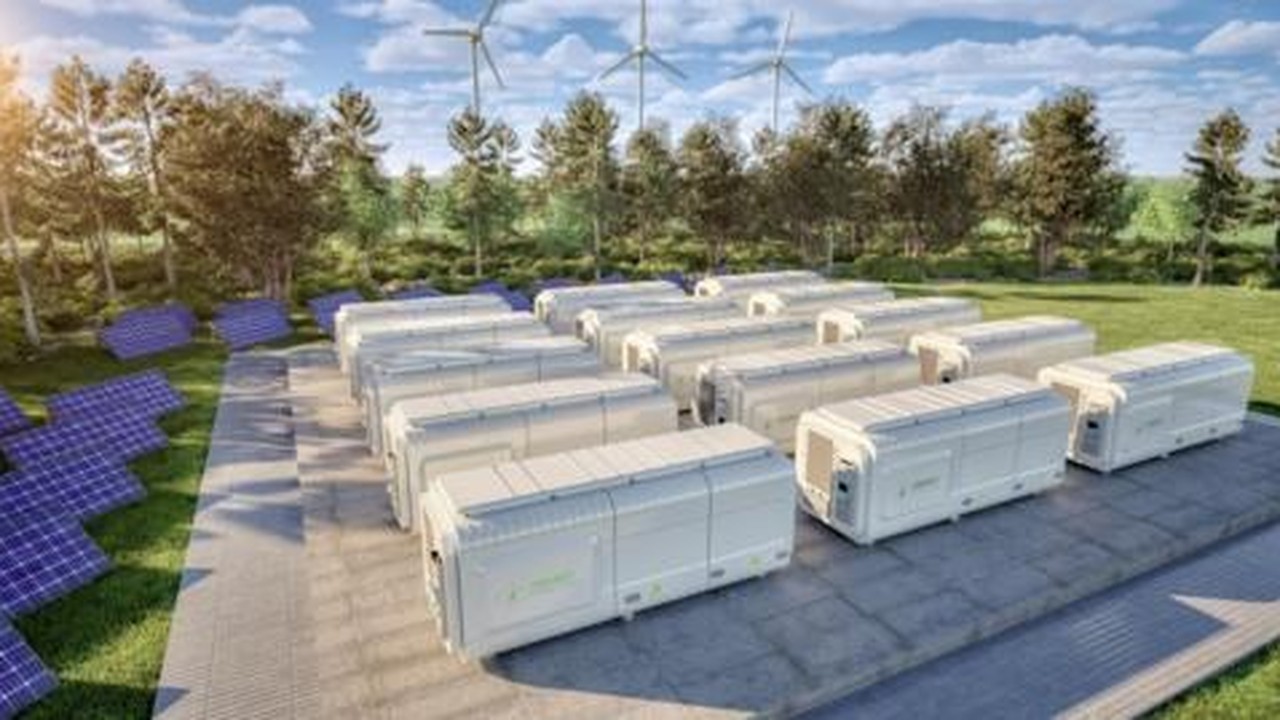
Brazil to Hold First Auction for Batteries to Store Solar and Wind Energy from the Northeast

-
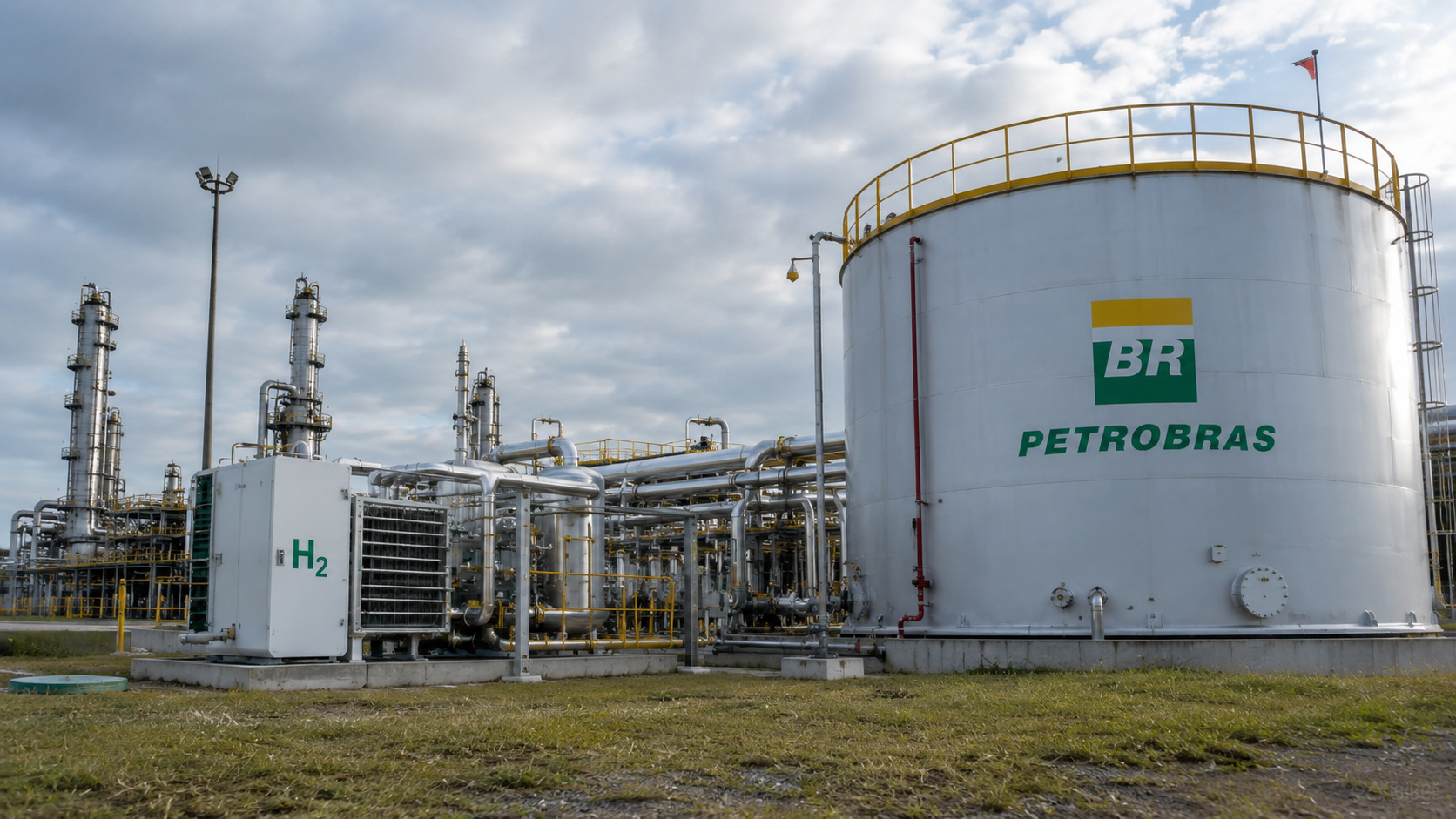
Brazilian scientists are simultaneously advancing two research projects on clean hydrogen and driving solutions that could transform the energy matrix, enhance industrial competitiveness, and accelerate large-scale emission reduction targets.

-
Advancement in renewable energy: A R$ 150 million project launched by Petrobras and Finep aims to create state-of-the-art electrolyzers for green hydrogen, strengthening national research and preparing Brazil to compete in a billion-dollar energy market.
-
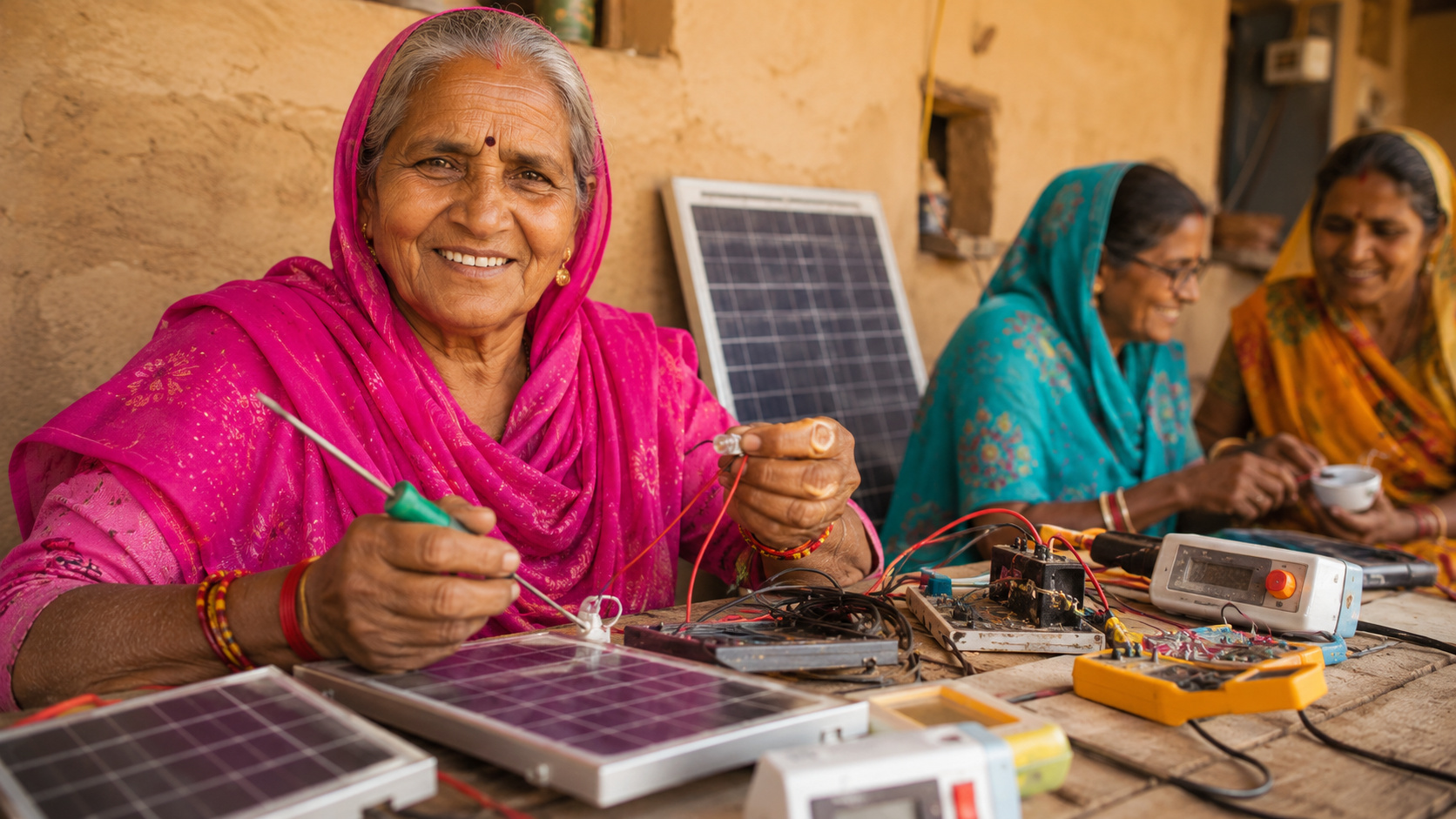
Illiterate or semi-literate grandmothers were trained to repair solar systems, open rural workshops, and light up homes that still depended on kerosene.

Historically, the world has developed based on fossil fuel sources, such as coal, oil, and natural gas.
Since the Industrial Revolution, these sources have driven economic growth, allowing for the emergence of large cities, industries, and complex transportation systems.
However, this dependence has brought severe consequences, including increased greenhouse gas emissions, pollution, and global warming.
The study indicates that the energy transition aims to reverse this model, gradually replacing fossil sources with clean alternatives such as solar, wind, and hydrogen energy.
The magnitude of the challenge is enormous. Today, the global energy infrastructure includes hundreds of thousands of plants and billions of vehicles powered by fossil fuels.
According to data from McKinsey, the sum of existing pipelines would be equivalent to two round trips to the Moon.
Furthermore, about 60,000 coal and gas plants remain in operation.
Thus, transforming this system requires not only changing the energy source but also rebuilding the entire production, transmission, and consumption network.
This process requires strategic planning, international coordination, and massive investments.
Moreover, the pace of technological innovation will determine the speed of the transition.
New batteries, intelligent energy distribution systems, and more efficient transmission networks ensure that intermittent sources like solar and wind can replace fossil fuels without compromising system reliability.
Consequently, countries that invest early in these technologies will gain a competitive advantage and may export solutions to economies still dependent on fossil energy.
Investments and Cost of Change
The global energy system currently costs about US$ 5.7 trillion per year.
Therefore, to maintain the trajectory of emission reductions and achieve net-zero goals by 2050, it will be necessary to add US$ 3.5 trillion annually in new investments.
These resources will finance new solar and wind plants, more efficient transmission networks, infrastructure for hydrogen, and the exploration of critical minerals essential for clean technologies, like copper, nickel, and lithium.
Thus, this investment is equivalent, in scale, to the complete reconstruction of global energy infrastructure.
The impact on the labor market is another critical point.
The energy transition is not limited to technology and capital; it necessitates the relocation of millions of jobs.
By 2050, experts estimate that the change will create 200 million new jobs and eliminate 185 million, reflecting a profound transformation in the global economy.
Moreover, sectors related to fossil fuels, which historically generated millions of jobs, are expected to shrink, while electrification, bioeconomy, and renewable energy will gain ground.
This dynamic requires professional retraining policies and mechanisms to support displaced workers.
Currently, the labor force represents one of the main bottlenecks.
In the solar and wind sectors, about 1.2 million people work globally, but to maintain the pace until 2030, 5.2 million would be needed.
Additionally, only the nuclear sector will need 400,000 more workers in countries like Canada and the European Union.
Meanwhile, solar energy will require 3 million new professionals in the supply chain.
This scenario highlights that the study indicates that the energy transition heavily relies on the formation of qualified human capital, capable of operating and maintaining the new system.
In parallel, there is a need for technical and scientific education at the base level, to train engineers, technicians, and managers capable of dealing with renewable energies, energy efficiency, and storage systems.
Thus, investing in education is as important as investing in infrastructure, for without qualified professionals, financial resources may not yield concrete results in emission reductions.
Regional Inequalities and Global Challenges
The energy transition will also impact regions differently, with effects that can be devastating in some areas.
For instance, in the United States, only 44 counties concentrate more than 10% of the workforce in exposure-prone sectors, such as mining and refining.
In these communities, the transition may signify economic and social disruption.
Globally, countries dependent on fossil fuels will face more intense shocks, while regions with abundant sunlight, wind, and critical minerals may benefit.
This contrast highlights the importance of regional adaptation strategies, capable of reducing inequalities and creating opportunities for local development.
Brazil occupies an ambiguous position in this context.
On one hand, it is one of the largest emitters of greenhouse gases, accounting for 3% of global CO₂ and 6% of methane, much of it linked to deforestation and agriculture.
On the other hand, it has absolute reforestation potential, which generates carbon credits and boosts the bioeconomy.
Additionally, the country has critical minerals such as copper and nickel, essential for batteries and clean technologies.
Therefore, the Brazilian challenge lies in reconciling these opportunities with the need to reduce deforestation, increase agricultural productivity without expanding the agricultural frontier, and invest in infrastructure and professional qualification.
Other regions of the world also present complex scenarios.
For instance, Middle Eastern countries, heavily dependent on oil, will face challenges in diversifying their economies.
Meanwhile, in Africa, with great solar potential, strategic investments can transform the energy matrix and generate jobs, but they require political stability and international support.
Climate Risks and Productivity
Another factor that makes the energy transition so urgent is the physical risk of climate.
Even with immediate measures, the impacts of global warming are already evident.
If emissions continue at the current pace, the planet is expected to exceed 1.5 ºC by 2030 and reach 2 ºC by 2050.
This scenario directly affects labor productivity, especially in countries like India and Indonesia, where workers exposed to intense heat may lose up to 10% of effective working hours.
This reduces income and pressures local economies.
Thus, the energy transition involves not only technology but also socio-economic adaptation and resilience.
The success of the energy transition depends on collaboration among governments, businesses, and educational institutions.
Therefore, it will be necessary to create professional retraining policies, support programs for displaced workers, and regional adaptation mechanisms.
Furthermore, international collaboration is essential, as the clean energy supply chain is global and the scarcity of critical minerals may limit the pace of implementation.
Without coordination, we risk failing to build a low-carbon economy capable of generating prosperity and social inclusion.
Historical Lessons and Sustainable Future
Historically, significant energy transformations have occurred, such as the replacement of wood with coal during the Industrial Revolution and, more recently, the rise of electricity in the 20th century.
Each change required massive investments, new skills, and social adaptations.
Thus, the study indicates that the current energy transition is similar in scale but more urgent, as it involves not only efficiency and productivity but also the mitigation of global climate risks.
The energy transition also paves the way for innovation in transportation, construction, and industries, reducing dependence on fossil fuels.
Emerging technologies, such as green hydrogen, biofuels, and carbon capture, have the potential to redefine the global economy and generate investment and research opportunities.
In summary, the energy transition represents an unprecedented opportunity to reshape the global economy.
With US$ 3.5 trillion annual investments, the creation and relocation of millions of jobs, and strategic coordination among sectors, we can build a more sustainable, resilient, and inclusive energy system.
Therefore, the challenge is enormous, but the potential benefits—from emission reductions to economic and social development—make this endeavor essential for the planet’s future.