Portuguese
  Spanish


The Interior of Mars Reveals Impressive Secrets. New Data Shows That the Planet Preserves Marks of Its Initial Formation, Offering Clues About Its Chaotic Origin.
The mantle of Mars contains ancient blocks up to 4 km wide. These fragments are preserved as geological fossils of the planet’s violent history. The conclusion is part of an analysis of seismic data collected by NASA’s InSight mission.
The mantle is the layer that lies between the crust and the core. It may hold the keys to understanding the origin and evolution of rocky planets.
On Earth, the movement of tectonic plates constantly mixes the mantle. On Mars, this does not occur because the planet is smaller and has a single plate. Therefore, its interior retains more traces of the original formation.
-
Brazilian Engineer Who Grew Up Without Electricity Develops Software, Expands AltoQi to 67,000 Clients, Aiming for $21 Million by Digitizing Brazil’s Construction Industry

-
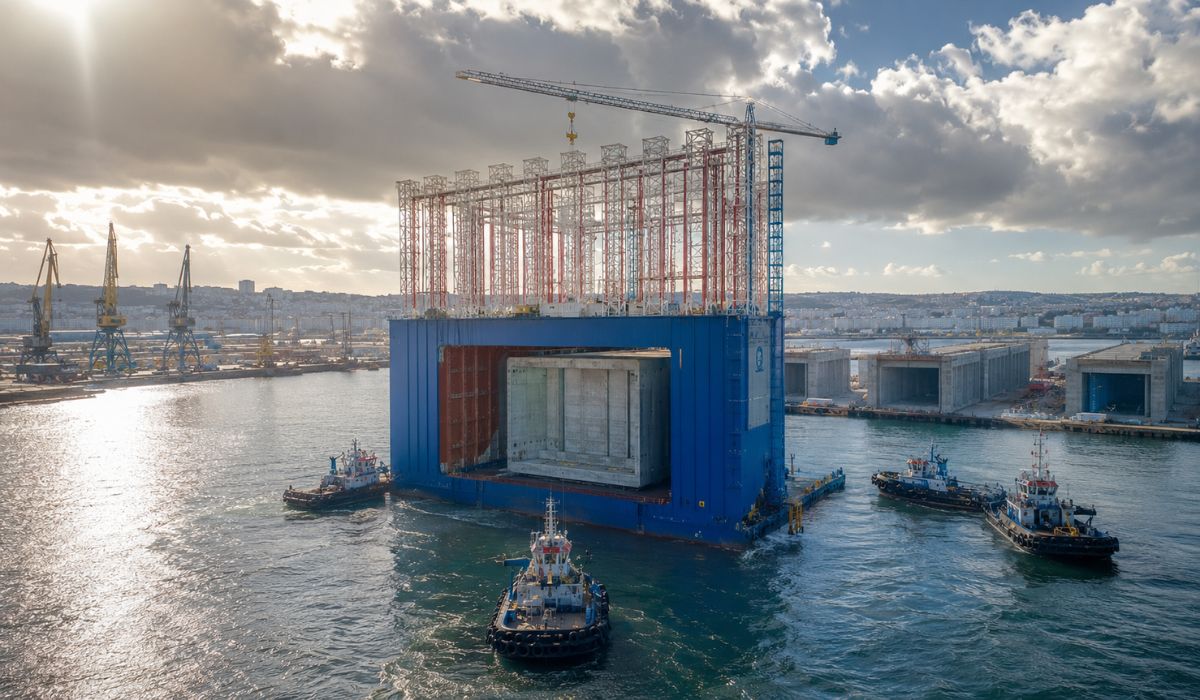
Spain Launches World’s Largest Floating Dry Dock: 56-Meter Giant Produces Massive Concrete Structures in A Coruña Using Technology Proven in Brazil

-
AI-powered toys that talk, recognize faces, and collect data face scrutiny from Brazilian government over children’s privacy concerns

-
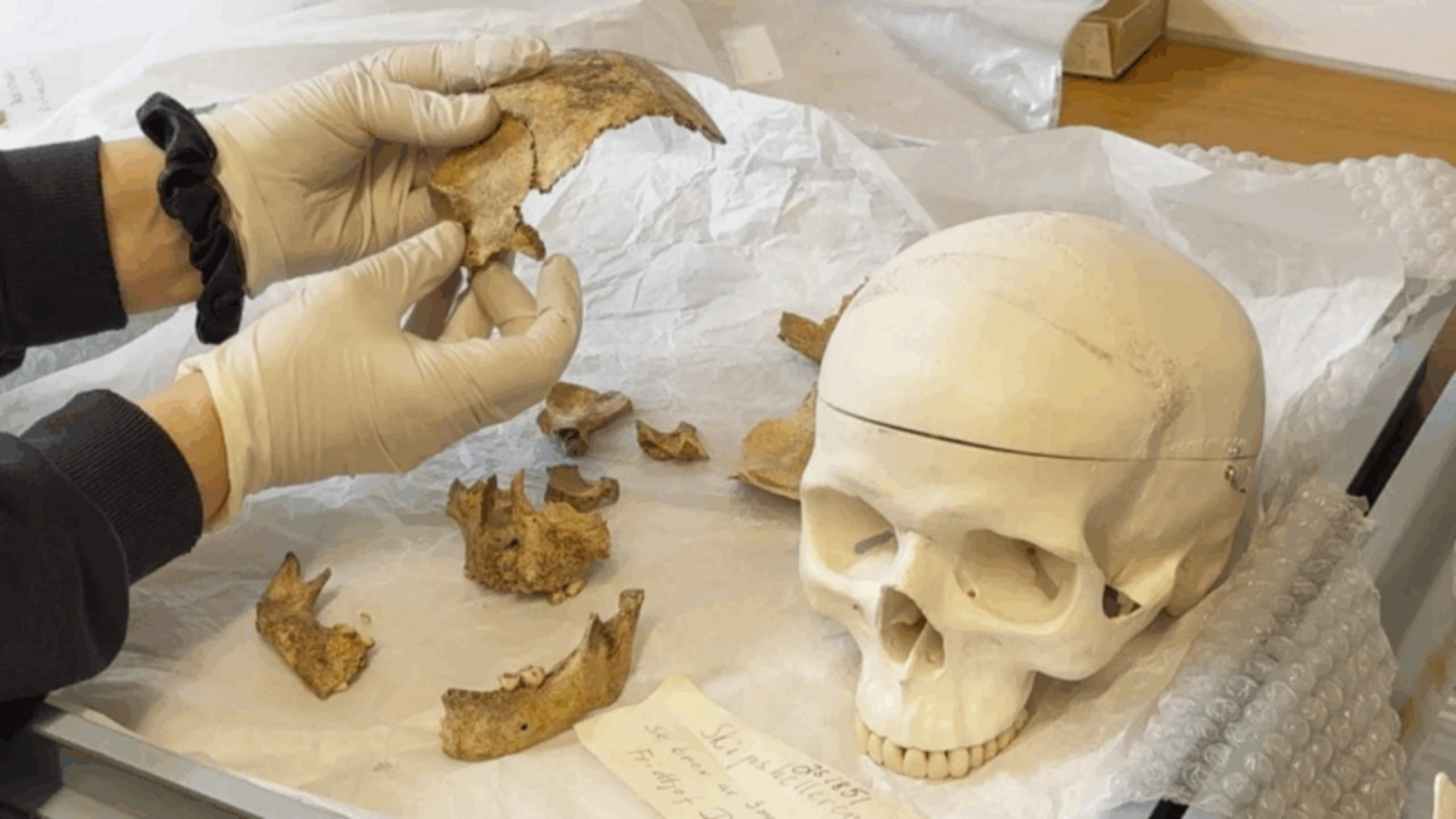
4,000-Year-Old Child’s Skull Unveils Ancient Burial in 7,500-Year-Old Norwegian Rock Shelter, Impressing Archaeologists



Revealing Seismic Signals
Dr. Constantinos Charalambous from Imperial College London led the study that analyzed seismic data from InSight. The team examined eight marsquakes, some triggered by meteorite impacts.
They observed that high-frequency P waves arrived late when passing through the deep regions of the mantle. This behavior indicated slight variations in the planet’s internal composition.
According to the researchers, these irregularities remain because Mars lacks large-scale tectonic recycling. Thus, the signals reveal direct remnants of its initial history.
Impacts and Magma Oceans
Scientists point out that the scale of these internal differences suggests an origin in extremely violent events. Massive collisions in the planet’s early days fractured its interior and spread materials from the crust to the mantle.
In addition, vast oceans of magma later crystallized. This process added new variations to the internal structure.
Instead of disappearing, everything remained frozen when the crust cooled and mantle convection ceased. The planet ended up functioning as a time capsule.
Preserved Chaotic Structures
“What we see is a mantle full of chaotic remnants from Mars’s early days,” said Dr. Charalambous. He explained that the surface solidified, forming a stagnant cap that sealed the internal records.
Professor Tom Pike compared the distribution of structures to a broken glass on the floor. According to him, catastrophic collisions created large fragments and countless smaller pieces. This fractal pattern can still be detected today.
“It’s remarkable that these signals have survived until now,” he added.
Redefining the View of Mars
For Dr. Mark Panning from NASA’s Jet Propulsion Laboratory, the InSight data changes the way scientists understand Mars. He emphasized that marsquakes continue to generate important discoveries.
The study was published in the journal Science and reinforces the role of the red planet as a natural laboratory. Because, while Earth erases ancient records with its internal dynamics, Mars preserves them almost intact.
Therefore, by investigating the Martian mantle, scientists are not only studying a neighbor of the Solar System. They are also finding valuable clues about how rocky worlds arise and evolve.