






 Portuguese
  Spanish
  2 min of reading


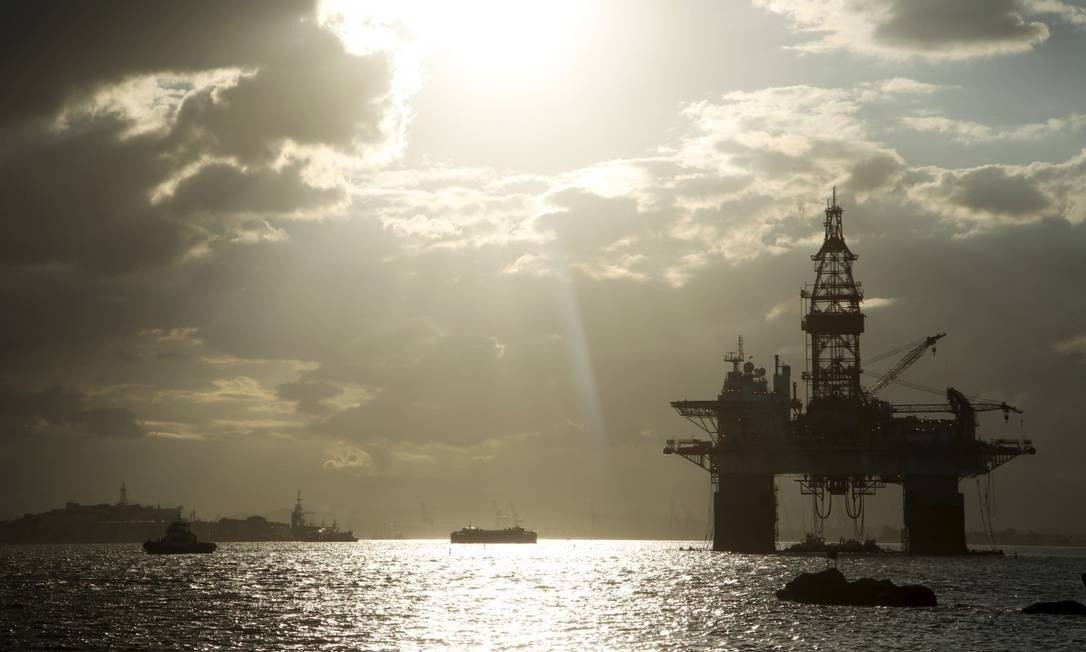
A New Westwood Study Showed Potential Of US$65 Billion In Oil And Gas Resources That Are Globally Idle, With The Largest Volume Of Idle Gas Found In The Ruvuma-Rufiji Basin In Mozambique And Tanzania.
This Oil And Gas, Potentially Worth Over US$65 Billion And With An Estimated Cost Of US$24 Billion To Discover In The Industry, Represents 40% Of The Volume Found In High-Impact Discoveries. The Movement Shows Where These Resources Are Located, Why They Are Stuck, And How Great The Opportunity They Represent Is.
Also Read
- Many Job Openings In Mozambique For Brazilians To Work On LNG Project
- Airsiwft Wins ExxonMobil Project And Is Hiring For Many Positions
- Petrobras Refineries Operate At 66% Utilization Rate
- Offshore Contracts In Mozambique Demand Job Openings For Brazilians In Technical Areas, Welding, Piping And More
Enormous Amount Of Oil And Gas Industry Resources Are Idle
The Largest Volume Of Stagnant Oil And Gas Industry Resources Is In The Ruvuma-Rufiji Basin In Mozambique And Tanzania, Where 166 Tcf Were Discovered Between 2010 And 2015, But Only 38 Tcf Showed Any Signs Of Progression, And 128 Tcf (Cubic Feet) Of Gas Remains Stagnant.
Brazil Has The Largest Idle Resource Of Oil (And Condensate) Estimated At 3.8 Bnbbl From 19 High-Impact Discoveries Across Five Geological Basins.
-
Oil production grows in Rio, but reserve replacement raises a warning sign

-
Petrobras is expected to complete the drilling of the Morpho well in the Foz do Amazonas in August 2026, the first well in the Equatorial Margin, an oil frontier that the ANP estimates at more than 30 billion barrels and could redraw the map of Brazil.

-
Oil returns to the center of concerns with tension between the US and Iran

-
IEA reduces forecast for global oil demand in 2026 after impacts of the Middle East crisis
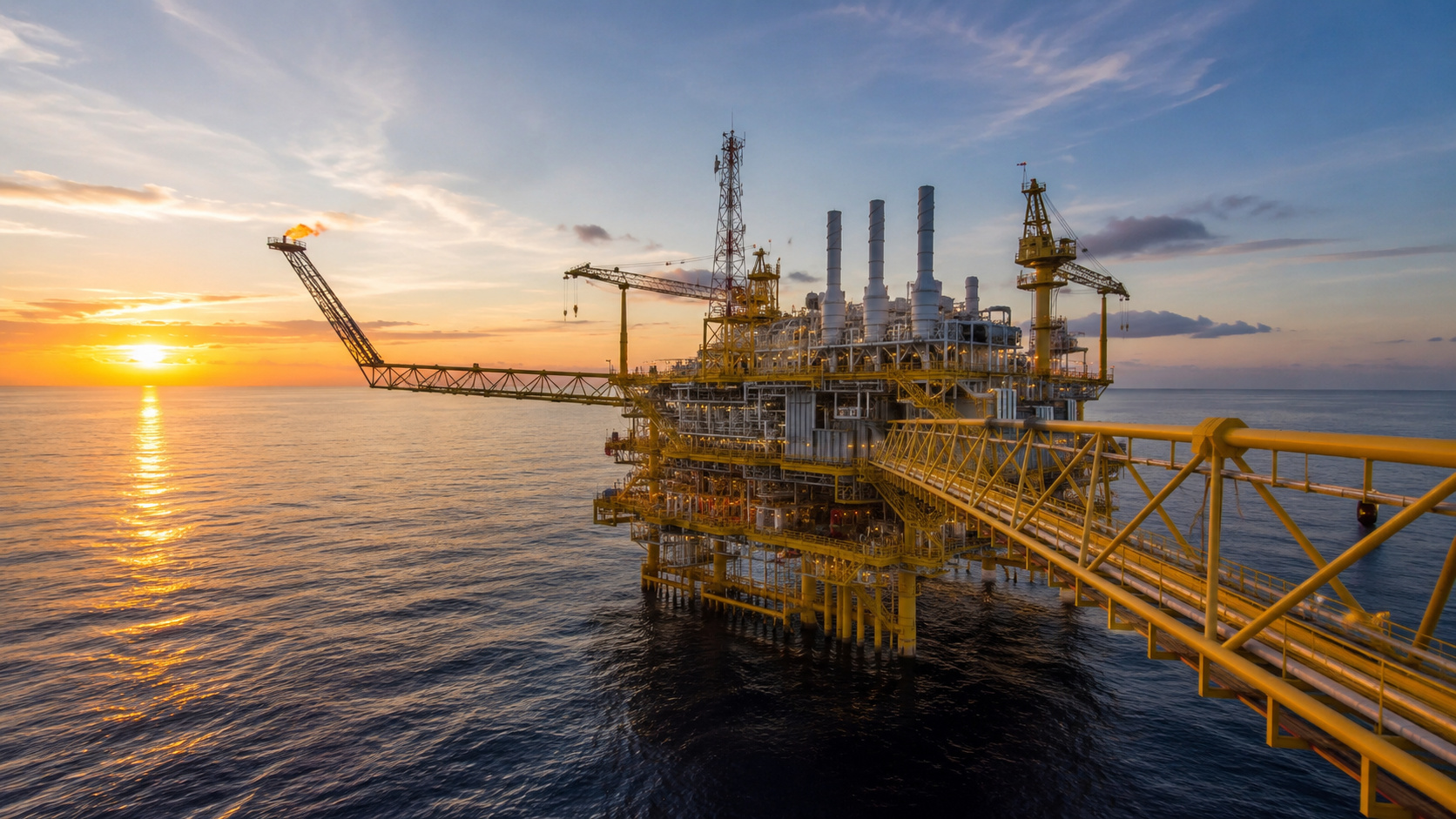


About 16.5 Tcf Of Gas Remains Idle In The Iraqi Kurdistan, Three Bnboe Of Oil And Gas (50:50 Split) Are Idle In The Kwanza And Lower Congo Basins In Angola, And 14 Tcf Of Gas Remains In The Ground In The Browse And Carnarvon Basins In Australia. Over 500 Mmboe Are Idle In Each Of Nigeria, Malaysia, Gabon, Vietnam, The U.S., Romania, Uganda, Cyprus, Canada, And The Falkland Islands.
Contributing Factors According To The Researchers
Westwood Identified 26 Different Contributing Factors. The Above-Ground Factors Dominate, With The Fiscal Regime / Terms Of Oil And Gas In The Host Country, Access To Financing, And Portfolio Prioritization Being The Most Common.
Subsurface Factors Include Fluid Composition And Reservoir Quality And Compartmentalization. In Tanzania, For Example, 14 Deep-Water Gas Discoveries Grouped Into Five Potential Developments Are Idle Due To A Combination Of Above-Ground And Subsurface Issues.
The Above-Ground Issues Are Mainly Related To Protracted Negotiations With The Tanzanian Government Over Gas Terms. The Reservoirs Are More Compartmentalized Than In Neighboring Mozambique, With Lower Resource Densities And Higher Development Costs.







Be the first to react!