






 Portuguese
  Spanish
  4 min of reading
  0 comments


E30 Proposes Increase of Ethanol in Gasoline to 30%, Reducing CO₂ Emissions and Boosting Brazil’s Economy and Energy Security.
Since the 1980s, Brazil has stood out as a leader in the production of ethanol, a sustainable alternative to fossil fuel. In 2022, the Brazilian government adopted bold measures to increase the ethanol blend in gasoline to 30%. This move not only promises to cut CO₂ emissions but also has the potential to catapult the local economy. Innovations in the ethanol sector are vital to ensure a cleaner and more sustainable energy future.
Experts from the University of São Paulo revealed, in July 2023, the importance of biofuels in reducing greenhouse gases. The increase in the proportion of ethanol in gasoline symbolizes a strategic advancement, offering numerous environmental benefits and strengthening the national economy. Biofuels like ethanol allow for greener economic development.
Ethanol: A Green and Viable Alternative
Ethanol has secured its reputation as the ‘fuel of the future’ due to its efficiency and lower environmental impact. In April 2023, during an event by the Ministry of Mines and Energy, data was presented confirming the viability of the E30 project, highlighting a savings of 1.7 million tons of CO₂. Advancing the use of ethanol is crucial for energy security and for alleviating dependence on fossil fuels.
-
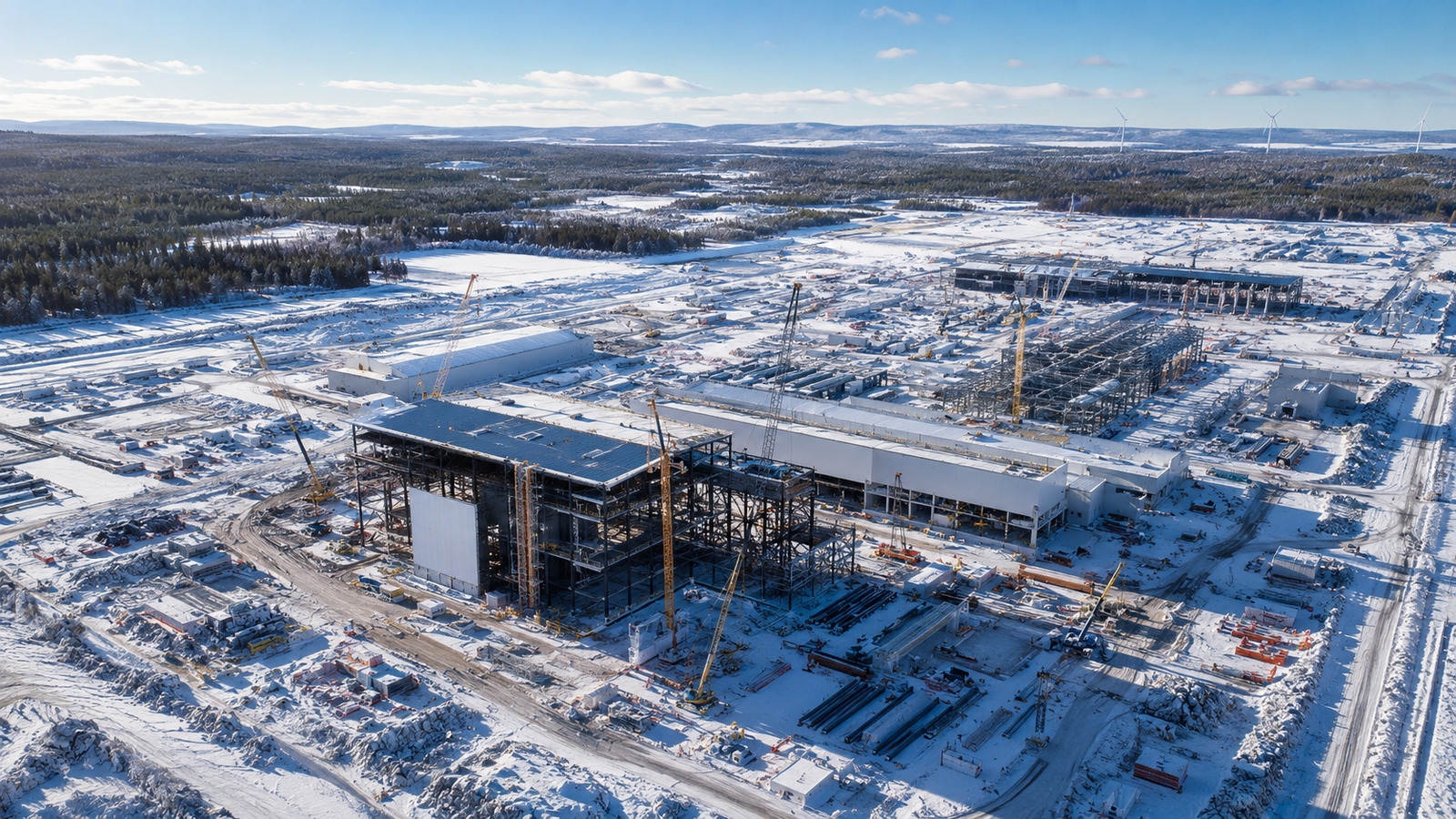
US$ 7 billion, green hydrogen, and steel with up to 95% less CO₂: the first green steel plant on the planet emerges in Sweden and targets Brazil as the next chapter

-
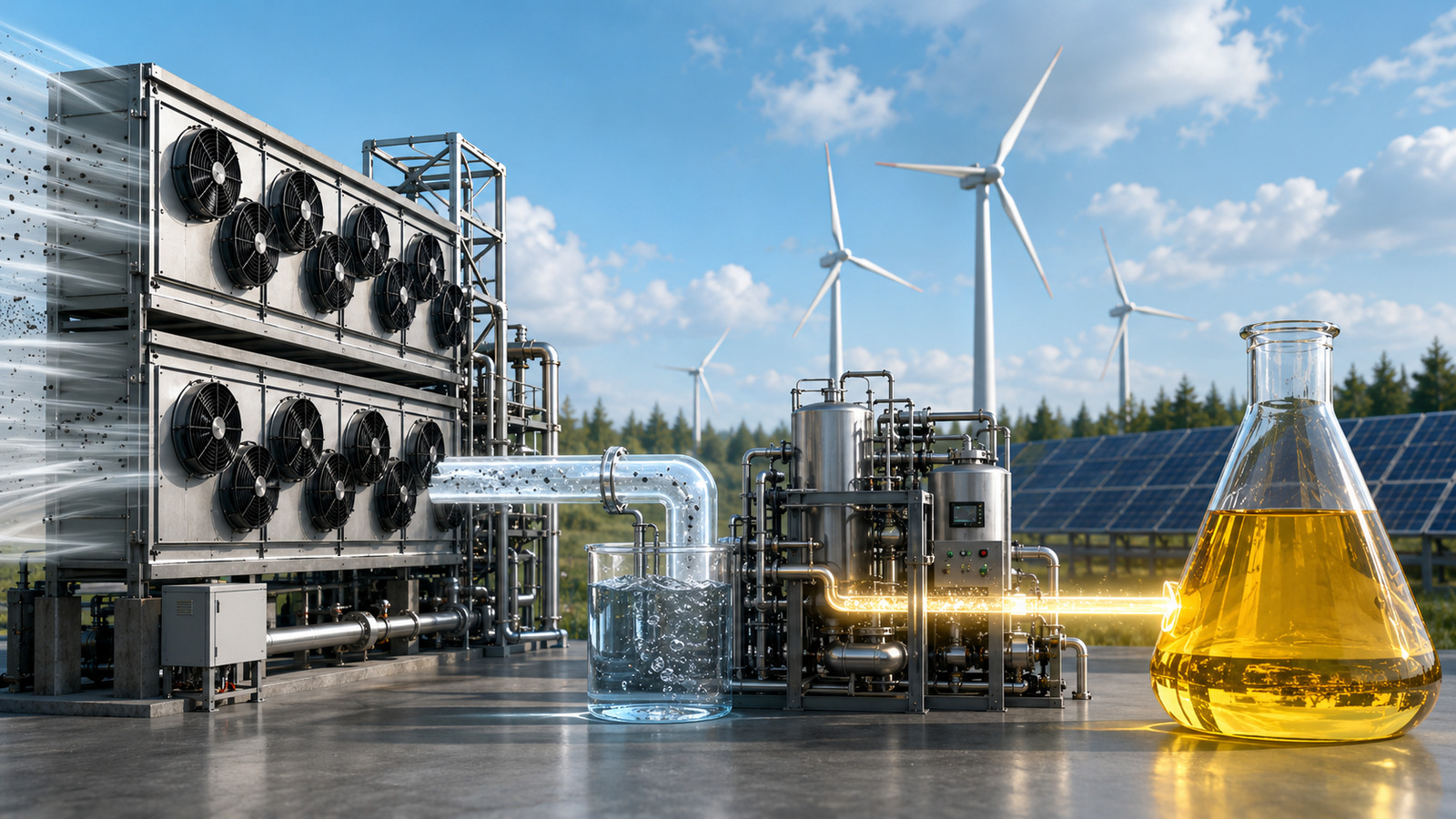
Swedes manage to create synthetic fuel with CO₂, water, and renewable energy, compatible with current engines, but face a huge problem: the energy expenditure is still double the return.
-
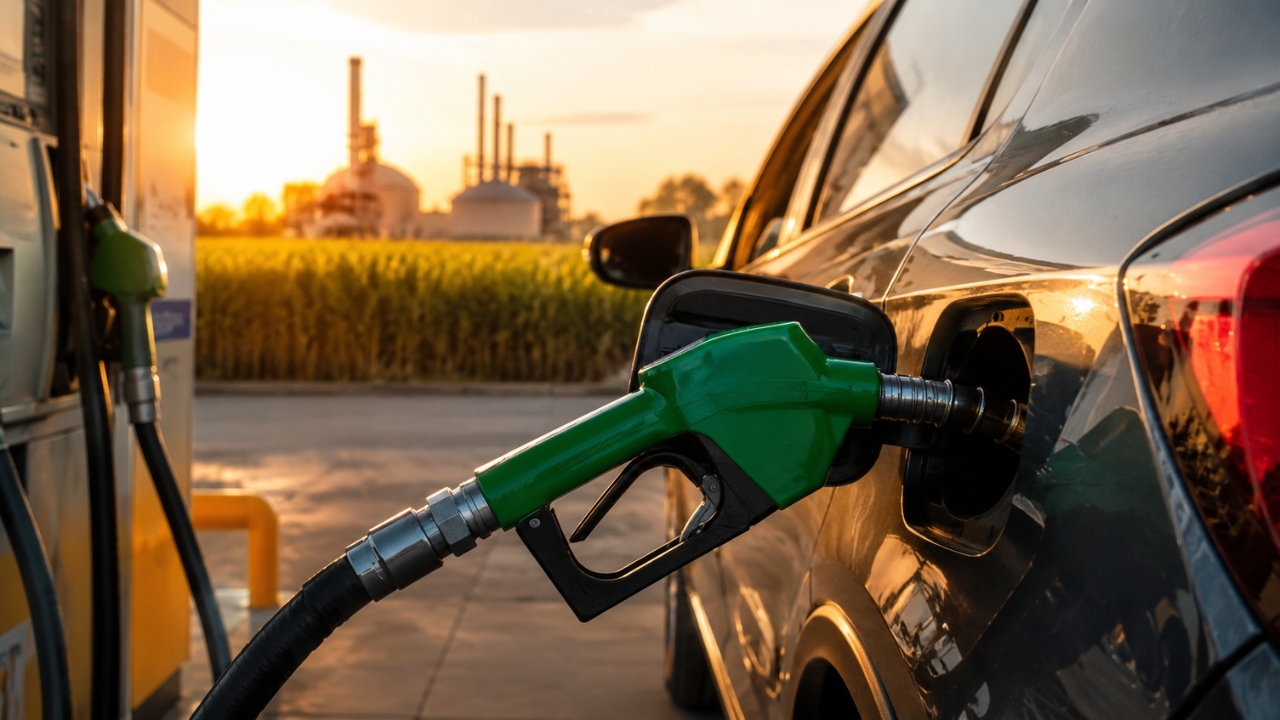
Brazil begins to transform wheat, residues, sweet potatoes, and soy molasses into ethanol, in a new phase of biofuels that seeks to utilize leftovers from the field and industry to fuel flex-fuel cars.

-
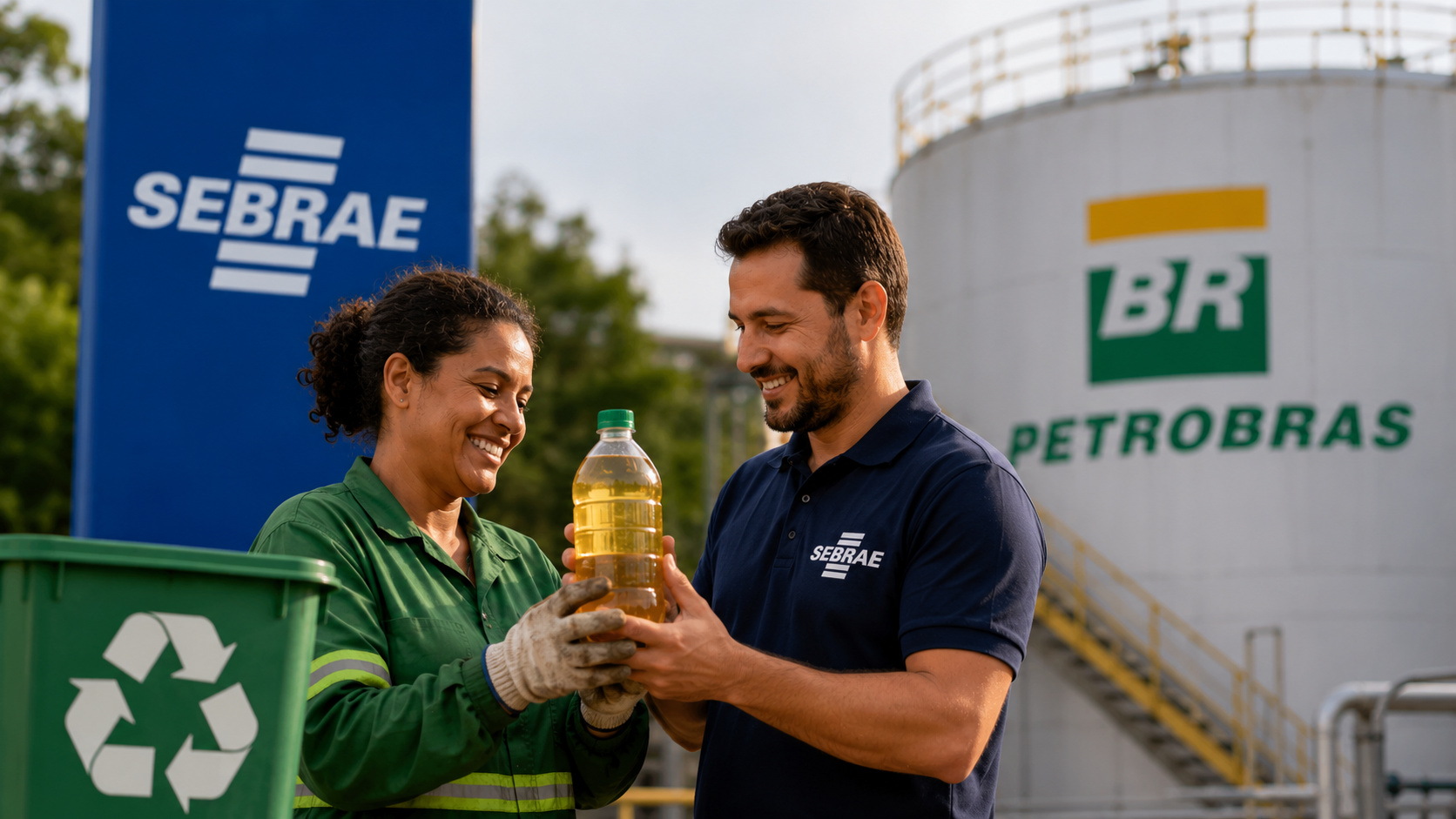
Sebrae and Petrobras join forces in Ceará to include waste pickers in the circular economy and strengthen the biofuel chain, creating new income opportunities and expanding the sustainable use of waste with a direct impact on regional development.

Biofuels also play a vital role in the global energy matrix, promising a more sustainable future. The initiative to increase the ethanol blend reflects Brazil’s commitment to cleaner energy solutions. Studies show that by 2025, the widespread adoption of ethanol could transform it into the backbone of the green economy.
Significant Environmental Benefits
Sources include the University of São Paulo, the Ministry of Mines and Energy, and sector reports from 2023.
Expansion of Ethanol Use
On March 18, 2025, in Brasília, the Ministry of Mines and Energy (MME) presented the results of tests regarding the increase of the ethanol blend in gasoline from 27% to 30%. The study, conducted by the Mauá Institute of Technology (IMT), highlighted not only the technical feasibility of the action but also emphasized that the initiative could reduce greenhouse gas emissions by at least 1.7 million tons annually. Important representatives from the automotive, sugar-energy, and bioenergy sectors participated in the event, along with CEOs from plants and automotive technology experts.
The results of the analyses confirmed that the new blend ratio is technically viable. The Minister of Mines and Energy, Alexandre Silveira, stated that this strategy will help lower fuel prices at the pump and strengthen Brazil’s autonomy regarding gasoline imports. The MME emphasized that the transition from the E27 to the E30 standard could prevent millions of liters of gasoline from being imported annually. This, in turn, will accelerate national production of biofuels, such as ethanol, and significantly increase its demand by about 1.5 billion liters.
Benefits of the Fuel of the Future
During the announcement, Alexandre Silveira emphasized the positive impacts this measure will bring, stating: ‘We are moving forward to make the fuel of the future a present reality. The E30 not only reduces costs for consumers but also strengthens the national economy and the energy security of Brazil’. He referred to the Future Fuel program, which supports the increase of ethanol blending whenever its technical feasibility is confirmed, alongside other efforts to boost the energy transition.
Silveira also highlighted that the implementation of the new blend is expected to generate 25,000 new jobs and attract investments of around R$ 9 billion to the sector. Evandro Gussi, president of the Sugarcane Industry Union and Bioenergy (UNICA), stated that this not only reinforces national energy security but is also an important step towards decarbonization. ‘These evidences are clear: ethanol brings benefits for cars, society, and the environment. It is a Brazilian asset gaining global recognition’, Gussi mentioned.
The president of UNICA further emphasized the strong commitment between the Ministry of Mines and Energy and the National Congress to advance the legal framework, recognizing the crucial role of biofuels in transitioning to a low-carbon economy. According to Gussi, the adoption of E30 will further strengthen Brazil’s position in leading the global transition to clean energy.
Global Perspectives on Ethanol
‘Japan has already announced that it will achieve a 20% ethanol blend in gasoline. India has reached the mark of 15% and is progressing towards 20%, as are Indonesia, Malaysia, Thailand, and South Africa. Countries are recognizing the value of this important resource, and Brazil continues to lead this global movement’, commented Gussi.
The indicators identified by the analyses assessed aspects such as drivability, performance, and emissions of 16 lightweight vehicles and 13 motorcycles, comparing the traditional blend of 27% ethanol with the new proportion of 30% (E30). The results demonstrated that there is no significant impact on engine performance, confirming the technical feasibility of using E30.
As the next step, the proposal will be discussed in the National Council for Energy Policy (CNPE). ‘Brazil has a dedicated and prepared technical team, with a future-oriented vision. The sugar-energy sector is well positioned for this change, ready to deliver environmental, social, and economic benefits important for the country’, concluded Gussi.
Source: IMT Press







Be the first to react!