






 Portuguese
  Spanish
 4 min of reading
  4 comments



Real Threat: Amapá and Sea Level Rise: The State Could Become a New Holland? Studies Explain That There Is a Need for Urgent Action!
The Amapá, a Brazilian state located in the far north of the country, faces a serious and growing threat: rising sea levels. According to studies by NASA and the company Climate Central, the elevation of oceans, driven by the melting of polar ice caps, could result in the submersion of large areas of national territory in the coming decades. This reality is especially concerning for Amapá, whose coastal lands are vulnerable to this global phenomenon, according to escolaeducação.
Alarming Projections for Amapá
According to data from NASA and Climate Central, ocean levels are rising by approximately 0.3 meters per year. This increase, primarily attributed to the melting of the Arctic and Antarctic ice caps, poses a serious risk to various coastal regions around the world. If this trend continues, by 2100 many areas, including significant parts of Amapá, could be permanently submerged. Coastal cities like Macapá and Oiapoque are at risk of disappearing completely.
Being a state with a relatively small population and a geography that includes vast areas of low-lying land, Amapá is particularly exposed to the dangers of rising Atlantic Ocean levels. Additionally, important natural reserves such as the Piratuba Biological Reserve and Maracá Island are also under direct threat.
-
Bolivian Female Construction Workers Form Association to Combat Discrimination and 38% Pay Gap in the Industry

-
Near Amsterdam, residents buy land and discover they must also build streets, manage drainage, handle waste, and grow food on half their plot.
-
Brazil’s WEG to Open New Factory in China by 2027, Expanding Production of Large Rotating Electric Machines and Low to Medium Voltage Motors in Rugao

-
Chinese Shipyard Secures $1 Billion in Orders for Low-Carbon Container Ships Amid Global Fleet Renewal Efforts


Visible Changes Are Already Happening?
Experts have already observed significant changes in Amapá’s watersheds. There are reports of new river tributaries, indicating that the region’s waterways are receiving more water and expanding. Additionally, riverside communities have noticed an increase in the salinity of the waters of the Amazonas and Araguari rivers, evidence that saltwater from the sea is invading continental water bodies.
Consequences for the Population and Environment
If the forecasts come true, the consequences for the population and environment of Amapá will be devastating. Urban and rural areas may be submerged, forcing the migration of thousands of people and causing the irreparable loss of natural habitats. The capital Macapá and the city of Oiapoque, among other areas, are at risk of flooding, which could lead to a massive displacement of communities and the destruction of critical infrastructure.
To get a clearer idea, “imagine waking up one day and seeing your hometown, with its streets, houses, and landmarks, underwater,” commented a local resident. This apocalyptic scenario is what Amapá could face if drastic measures are not taken in time.
Need for Urgent Action
The alerts issued by scientists and observed in regions like Amapá should serve as a call to action for Brazilian authorities. It is crucial that risk containment measures are planned and implemented as quickly as possible to mitigate the impacts of rising sea levels. This includes the construction of protective barriers, the restoration of coastal ecosystems, and the promotion of sustainable development practices.
Furthermore, it is essential to raise public awareness about the severity of the situation and the need for collective action to protect national territory. Educational campaigns and adaptation programs can help prepare communities to face future challenges and minimize environmental and social damages.
Similarities with Holland: Threat of Submersion for Amapá
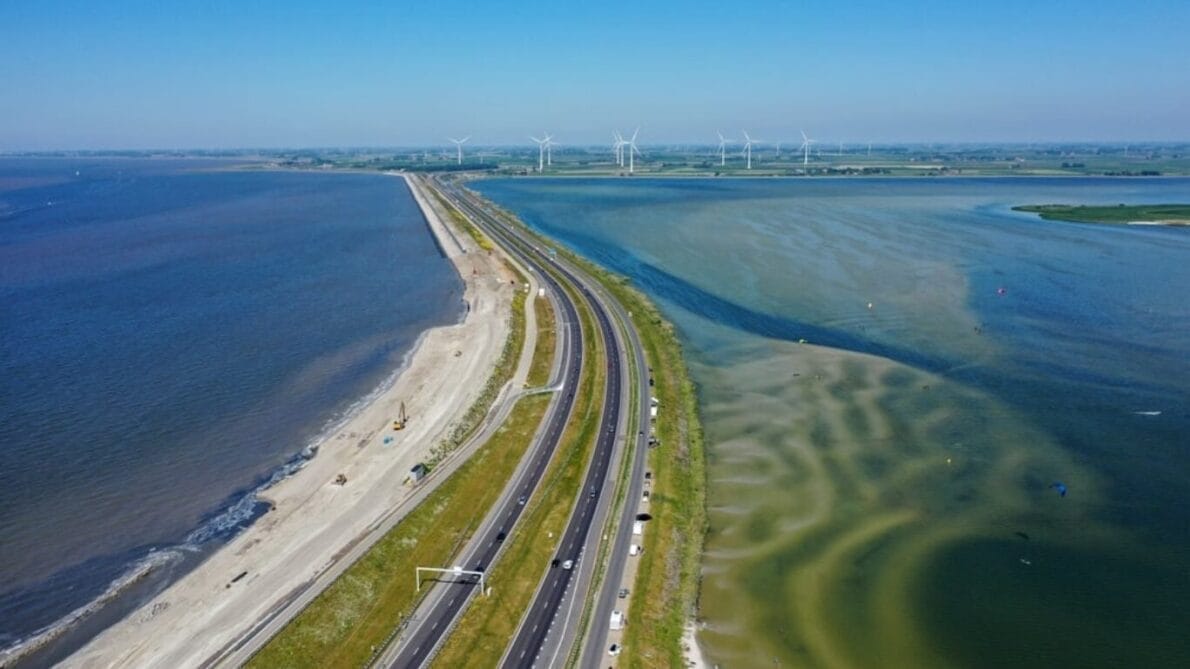
Like Amapá, Holland faces the constant threat of submersion due to rising sea levels. Both national territories have extensive areas of low-lying land that are vulnerable to the rising water line of the oceans. However, while Holland has heavily invested in containment and water management systems, Amapá still needs to implement effective measures to protect its coastal areas. Therefore, the comparison highlights the urgency of preventive actions in the Brazilian state to avoid future environmental disasters.
What Can We Do?
The fight against rising sea levels is a battle that needs to be fought on multiple fronts. Governments, non-governmental organizations, and civil society must work together to develop effective strategies for mitigation and adaptation. Among the measures that can be adopted are:
- Investment in climate-resilient infrastructure.
- Promotion of greenhouse gas emission reduction policies.
- Protection and restoration of mangroves and other coastal zones.
- Education and engagement of local communities about risks and solutions.
The situation in Amapá is an urgent reminder that climate change is already affecting our planet in tangible and dangerous ways. Taking action now is crucial to ensure a sustainable future for the state and the world.





Os governantes têm que parar de brincar de representantes do povo e fazer o que tem que se feito.
Acredito que nem 1% da população já ouviu falar nesse assunto.
A maior mentira que já li. Se subir 0,3 metros por ano, em 10 anos terá subido 3 metros, com isso, todas as cidades litoranes do Brasil serão alagadas. Além do mais, desde que foram construídos os diques na Holanda, os níveis continuam os mesmos.
Irei fazer como cidadao para ajudar a mudar esse cenario
– Diminuir os meus descartes.
– Plantar mais arvores
– Conscientizar garotos de projetos sociais
da importancia da preservação da natureza.
– Mitigar voluntarios adultos do tamanho amapaense para o tamanho do problema.
De fato cuidar do planeta, evitando descartes e plantando árvores, o meio ambiente agradece, porém pouco vai ajudar pra solucionar o problema citado na matéria: “risco de inundação da costa”. Vivemos na última era geológica, o quaternario, onde grande parte do planeta foi coberto de gelo. Sendo que este gelo foi derretendo sem a medida que o tempo passava, não provocada pelo homem. Acontece que hoje esse derretimento esta acelerando devido a grande produção humana, que produz muito CO2. Não vejo solução a costa do Amapá, pois é baixa, formada por sedimentos depositados pelo rio Amazonas. O que nos resta é fazer o dever de casa, é torcer para que os paises desenvolvidos diminuam suas emissões.