






 Portuguese
  Spanish


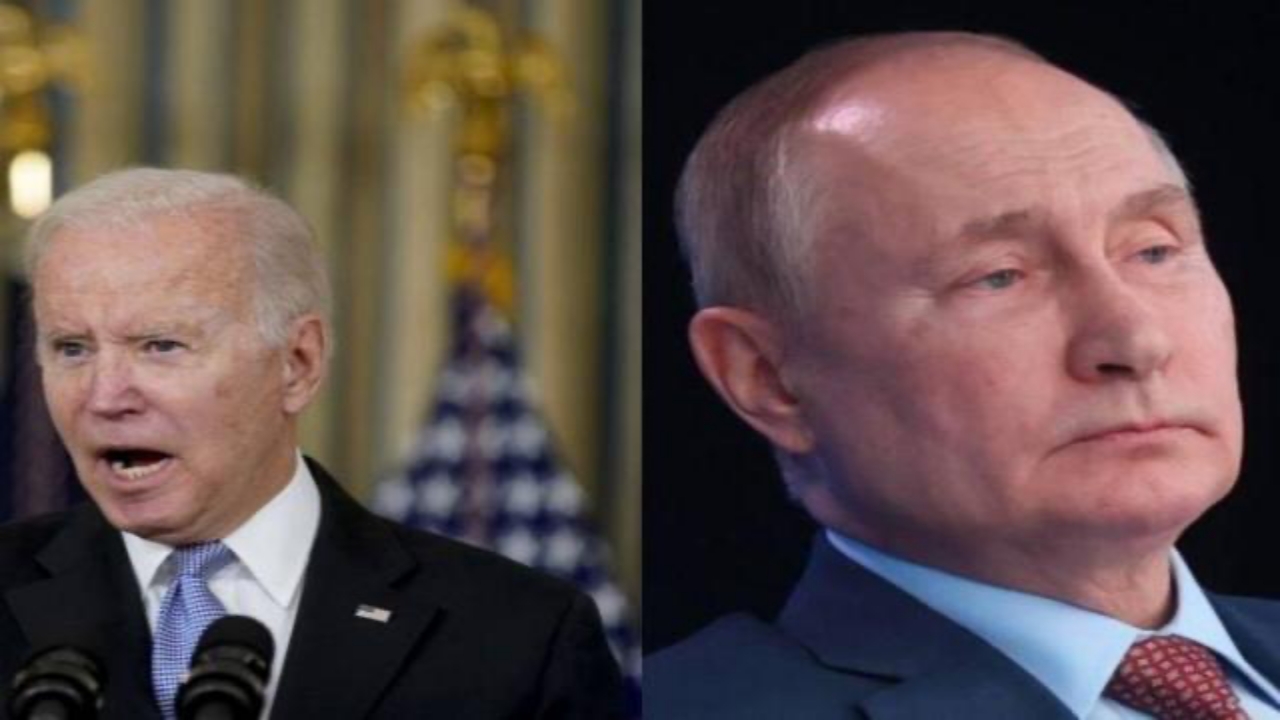

The 7 Largest Economies in the World Unite to Impose a Ceiling on Russian Oil and Prevent Putin from Profiting from the Crisis Caused by His War Against Ukraine
Fearing Vladimir Putin will further destabilize the market, the group of the world’s most industrialized countries, comprising the United States (U.S.), Germany, France, Canada, Italy, Japan, and the United Kingdom, is uniting to tighten sanctions on Russian oil buyers who violate the price cap proposed by the G7.
The group of the 7 richest countries in the world aims to prevent Russian oil buyers, who rely on Western companies, from refusing to contract insurance, financing, brokerage, shipping, and other services for oil cargoes priced above a ceiling under discussion, as pointed out by the magazine Reuters.
Not Satisfied with the Measures Imposed by the U.S. and Other Countries, the Russian Leader Threatens to Halt Fuel Supply
To punish European rivals for the sanctions, on the eve of winter in the Northern Hemisphere, the Russian leader Vladimir Putin is cutting natural gas supplies, which will consequently lead to increased consumption of liquid fuels — diesel and LPG.
-
Brazil’s ANP Opens 86 New Oil Blocks in the Equatorial Margin, Expanding the Amazon River Mouth Frontier

-
OPEC+ Boosts Oil Supply by 188,000 Barrels per Day in July 2026, Leading to Price Drop from $112 to $89 per Barrel in Under Two Months

-
TotalEnergies Signs 20-Year Deal to Purchase 2 Million Tons of LNG from Alaska, Boosting Project Viability
-
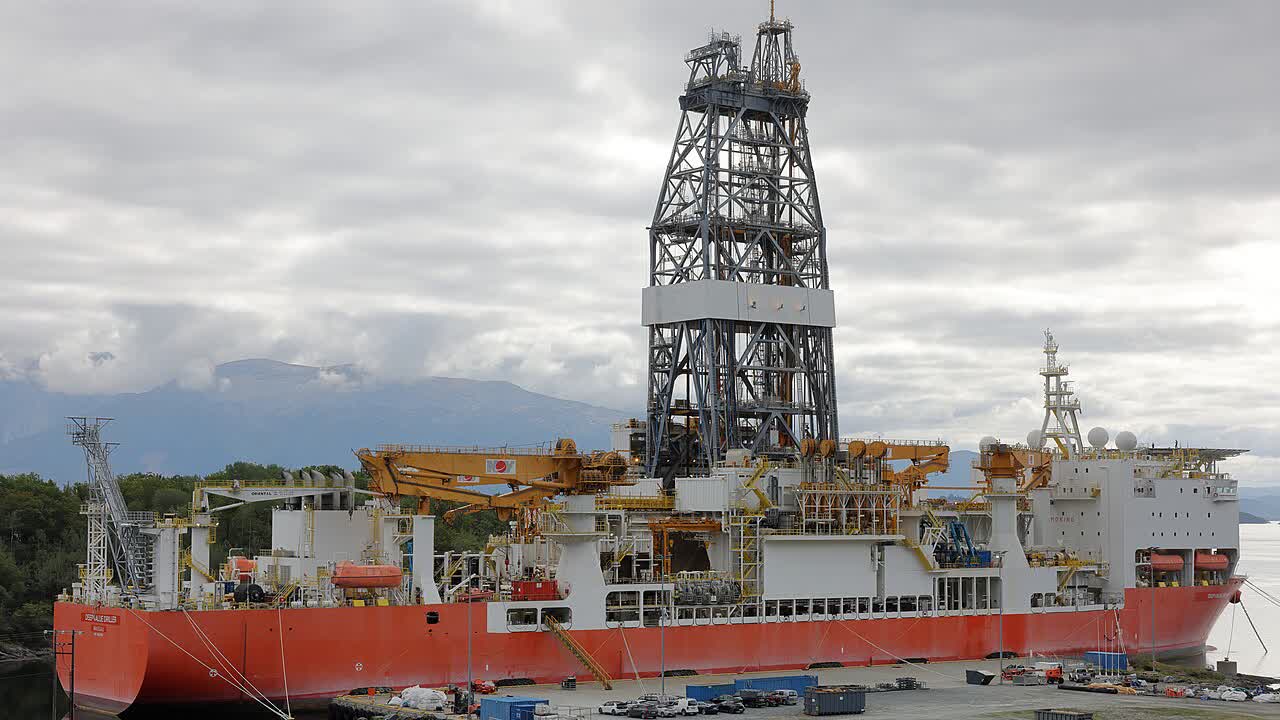
Turkey Deploys Çağrı Bey Drilling Ship to Explore New Oil Frontier Off Somalia’s Coast
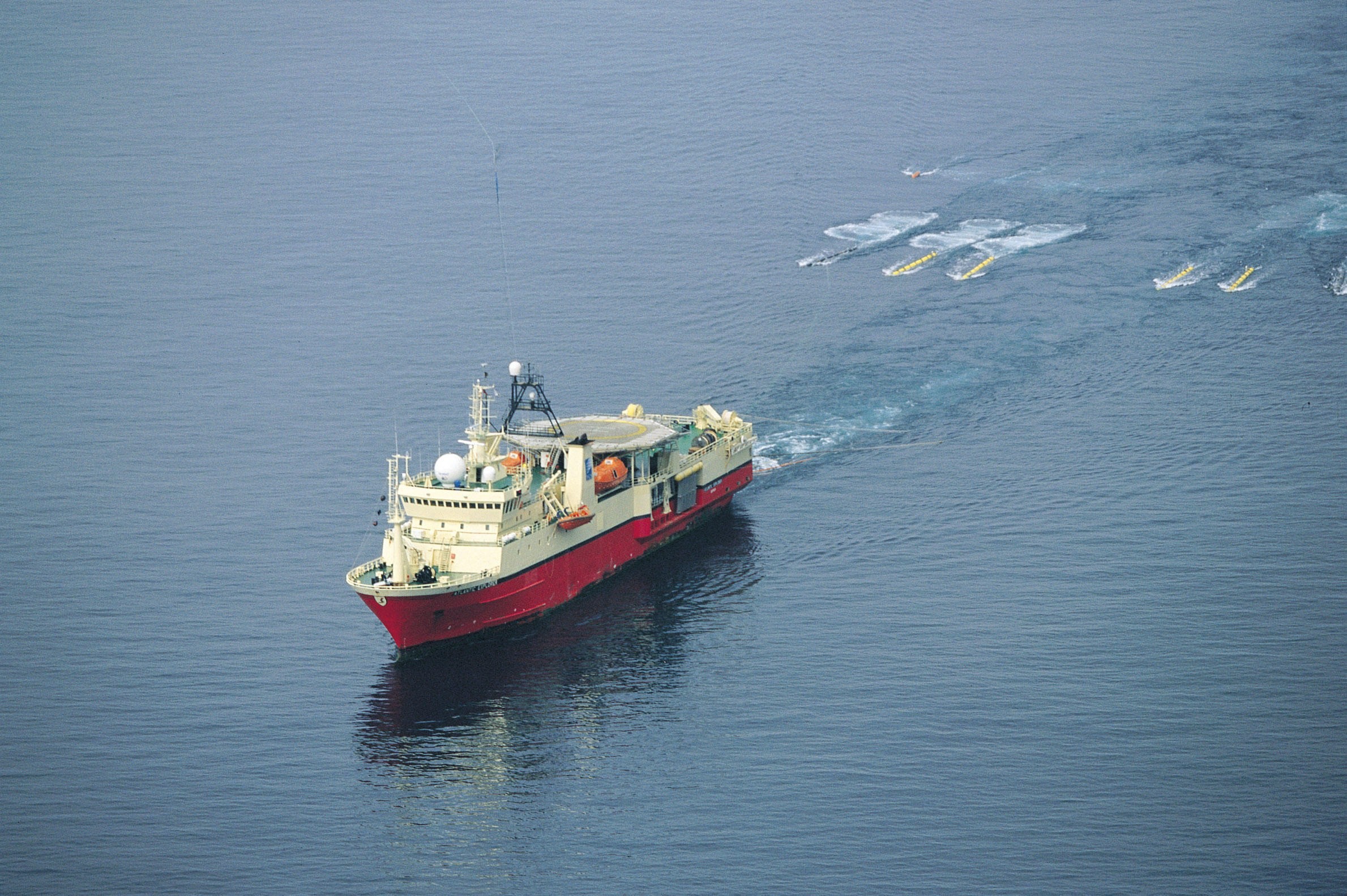

The supply panic is making Europe resort to LNG cargo stocks on ships anchored off the coast.
The G7 consists of the seven most advanced economies in the world, according to the International Monetary Fund (IMF), representing over 64% of global net wealth.
Oil Prices Plummet Following Nuclear Deal Between Iran and the United States Leaking in Global Media; Deal Could Legitimately Bring Iranian Oil Back to Export Market
Iran announced that it received a response from the U.S. regarding the “final” proposal for a nuclear deal presented by the European Union, representing a new advancement in the diplomatic exchange that has developed in recent weeks to revive the pact signed in 2015, which could bring Iranian oil back to the export market. The news resonated and directly impacted oil prices, which plummeted by as much as US$ 6 per barrel on August 30.
The national security adviser of former President Donald Trump, John Bolton, stated that the U.S. government is making a “stunning mistake” by trying to return to a nuclear agreement with Iran, arguing that the deal would make Iran a “better partner” for Russia and represent a threat not only to the Middle East region but also to the world.


