






 Portuguese
  Spanish


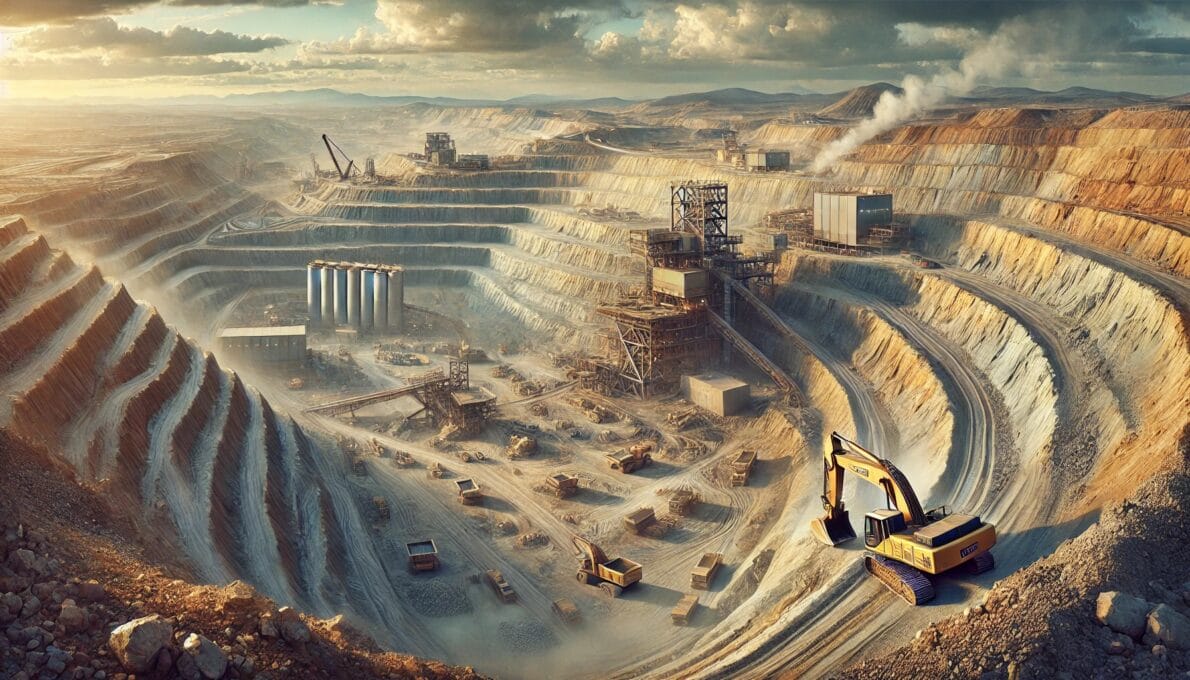

New US Lithium Mine Approved and Country Could Become a Global Power in ‘White Gold’. Lithium Mine in the US Aims to Undercut Chinese Production.
A new lithium mine in the US has been approved in the state of Nevada and has extended tax exemptions for some miners as part of its strategy to break the Chinese dominance over supply chains of so-called critical minerals, as is the case with ‘white gold’.
Lithium Mine in the US Will Have Capacity to Supply 370 Thousand Electric Vehicles Per Year
The Australian producer Ioneer stated last Thursday that it has received a federal license for its Rhyolite Ridge mine, a project that could generate enough lithium to supply about 370 thousand electric vehicles per year. The metal, known as white gold, is a key component in the production of rechargeable batteries and for the future of the electric vehicle industry.
The new lithium mine in the US is the first approval of a lithium mine by the Joe Biden administration, which offered Ioneer a loan of US$ 700 million to help build a project that could quadruple US white gold production when completed in 2028. Since 2002, only three US mines have begun operations for critical minerals, none of which are located on public lands.
-
France Revamps 530 Social Housing Units with Large Balconies and Glass Facades Without Demolishing Existing Buildings

-
10-Year-Old Max Makes History with Paris Fashion Show, Launches Own Brand, Hires Staff, and Sets World Record as Youngest Runway Designer

-
Bolivian Female Construction Workers Form Association to Combat Discrimination and 38% Pay Gap in the Industry
-
Near Amsterdam, residents buy land and discover they must also build streets, manage drainage, handle waste, and grow food on half their plot.




Ioneer’s shares surged 15% in New York trading following the report of the lithium mine approval.
According to the Financial Times, Western producers have struggled to compete with Chinese rivals in the production and refining of critical minerals due to higher costs and stricter regulatory standards.

New ‘White Gold’ Mine in the US Faces Opposition from Environmental Groups
The extraction and processing of the famous white gold have a significant environmental impact, as they use large amounts of water and energy, as well as toxic chemicals such as sulfuric acid. The lithium mine in the US faced opposition from environmental conservation groups, who warned that it could threaten a species of flower at risk of extinction.
US regulators stated that they worked with the company to modify the project and develop a protection plan for the species in question, allowing the approval of the new lithium mine in the US to proceed after a six-year review.
Also last Thursday, the US published new guidelines allowing producers to claim tax credits on costs related to mining and extraction of critical minerals, provided they process part of the material.
It’s worth mentioning that this week, researchers from the United States Geological Survey and the government of Arkansas announced they found a true treasure of white gold, an essential raw material for electric vehicle batteries, in an underground reservoir in the southern state.
Understand the Importance of Lithium for the Energy Transition
With the electrification of transportation, whether in private cars or public vehicles, the growing global demand for batteries is expected to spark a rush for minerals that serve as raw materials for this equipment, such as lithium.
According to the Brazilian Geological Survey, Chile, Australia, Argentina, and China hold about 95% of the currently known lithium reserves on the planet; however, the large amount of water used in extraction methods makes the process expensive.
On the global stage, Brazil is maneuvering to position itself in the international market while witnessing domestic demand for batteries grow. Domestically, over 79 thousand hybrid and electric cars were sold in the first half of this year, mainly brought into the country by Chinese automakers, who have heavily entered the automotive industry in recent years.








