





 Portuguese
  English
  Spanish
  5 min of reading
  0 comments


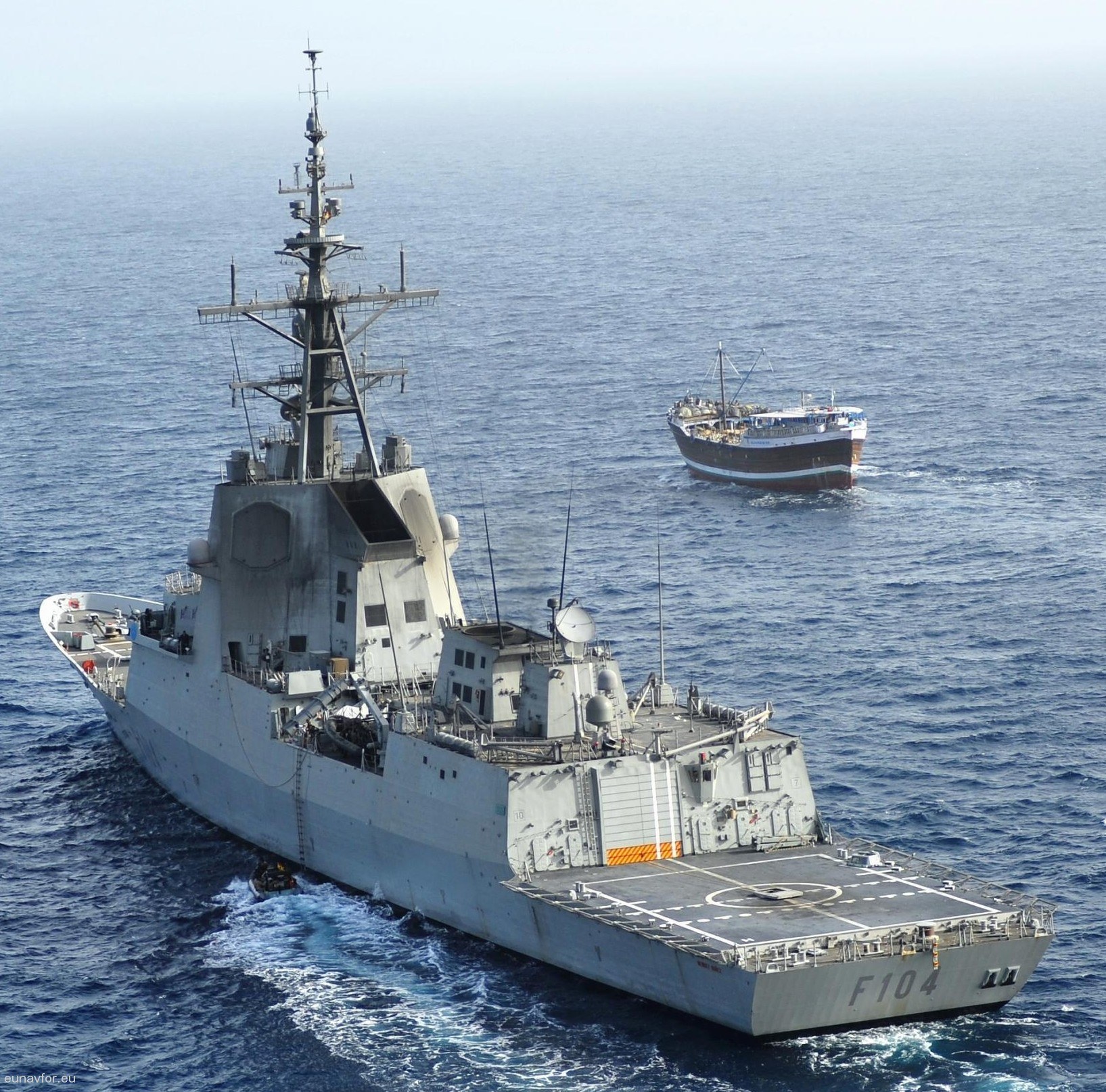
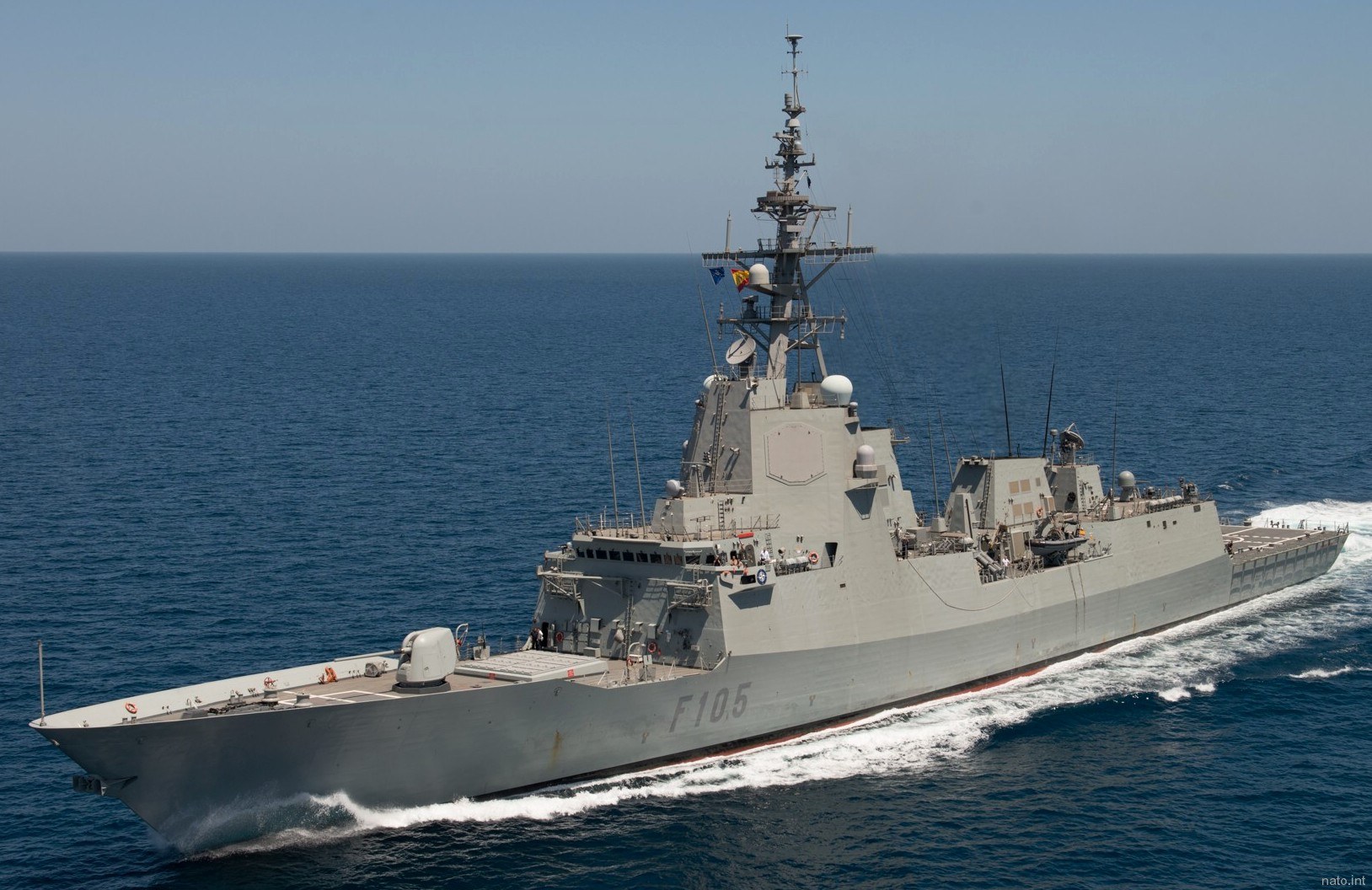
Spain sent one of its most advanced frigates, equipped with the Aegis combat system, near Cyprus in the eastern Mediterranean, turning that tense stretch of sea into an outpost of the European missile shield, with a declared eye on Iran.
The ship is a frigate of the Álvaro de Bazán class, the backbone of the Spanish Navy, and its heart is the same Aegis system that arms the United States destroyers. We are talking about a radar and fire control set capable of tracking dozens of targets simultaneously and guiding missiles to take down a ballistic threat while descending, before it hits the ground.
What makes the topic interesting is not the ship itself, but the board it enters. Europe has been closing a defense circle in a region where the missile risk is no longer a manual hypothesis and has become a routine calculation, and Cyprus, due to its position, ended up at the center of this game.
How a frigate becomes part of a continental shield
Defending a continent from missiles is not the task of a single piece of equipment, it is the work of a network. Ground radars, alert satellites, anti-aircraft batteries, and ships at sea exchange information so that, the moment a missile rises at some point on the map, the threat is already being tracked by several sensors simultaneously. The Spanish frigate enters this network as a mobile node, capable of positioning itself where the mainland cannot reach.
-
India places 52 spy satellites in orbit for R$ 16 billion to monitor every meter of its own borders.

-
Poland took control of its own constellation of radar satellites in less than a year and now sees through clouds and darkness.
-
Sweden has launched its first military spy satellite into orbit and joined the space defense club with a plan to deploy a fleet of ten.
-
The United States approved the sale of 48 stealth F-35 fighters to Saudi Arabia in a defense package worth 142 billion dollars.


The advantage of the ship over a fixed battery is precisely its mobility. It moves to the point of greatest risk, stays at sea for months if necessary, and offers a powerful radar floating near the origin of the threat. Positioning this sensor near Cyprus means pushing the detection line closer to the Middle East, gaining the seconds that, in an interception, are invaluable.
The Aegis system was born in the United States precisely to coordinate this dance of detecting, deciding, and firing in a fraction of a second. When an allied country embarks on the same system, it begins to speak the same technical language as the American fleet and NATO, and integration goes from promise to practice at sea.
Why Cyprus, and why now
Cyprus is a short distance from the Middle East, at a point where the Mediterranean narrows between various tension points. Having an anti-missile ship there is a double message: it protects the routes and allied bases in the region and, at the same time, signals to the right parties that the airspace is being monitored by a system capable of responding.
The reference to Iran appears openly in the European positioning, at a time when that country’s missile program and surrounding tensions keep the region on alert. It is not about pointing out good guys or bad guys, but understanding the military logic: where there is a risk of ballistic missiles, sooner or later, a shield appears trying to intercept it.
The race against the clock of a ballistic missile
To understand why seconds matter so much, it’s worth visualizing the trajectory of a ballistic missile. It rises high, exits the atmosphere, and then plummets onto the target at a speed that can exceed several kilometers per second. From ascent to impact, the defense window is very short, sometimes just a few minutes, and in that interval, it is necessary to detect, calculate the route, decide, and fire the interceptor at the exact point.
The Aegis system was designed precisely to beat this relentless clock. The radar continuously scans the sky, the combat computer prioritizes the most dangerous threats, and the interceptor launch happens almost automatically because leaving the decision entirely in human hands would be too slow. It’s a machine choreography where the operator supervises more than commands.
Positioning the ship near the probable origin of the threat shortens this clock in favor of defense. The earlier the radar captures the missile rising, the more time remains for interception, and the higher and farther from the target it can be taken down. That’s why the geography of the frigate, anchored near Cyprus, is not a detail: it is part of the very equation of who arrives first.
Europe rearming its own sea
The deployment of the Spanish frigate is part of a broader movement. Spain managed to operate its five frigates of the class simultaneously in allied missions, something rare, and other European countries have reinforced naval presence in the Mediterranean and surrounding areas. After years of treating defense as a budget cut line, the continent has resumed spending on ships, radar, and missiles at a pace that alarms those who thought this time was buried.
I confess there is something uncomfortable about seeing the Mediterranean, this sea of vacations and ancient history, turn once again into a corridor of war systems pointed at the sky. But the logic is cold and clear: Europe has decided it prefers the ship on standby to regret later, and the Spanish frigate near Cyprus is the physical translation of that choice.
How much this shield will be truly tested, no one wants to find out. The value of an anti-missile system lies precisely in never needing to fire, in existing so evidently that it discourages the threat before it rises. Keeping an expensive frigate on standby at a tense point on the map, month after month, is the kind of expense that only makes sense if we accept that prevention costs less than remedy. It is a defense that wins when the sea remains boring, and that no one applauds precisely because the worst did not happen.
Does this naval shield in the Mediterranean seem like necessary prudence or another step in an escalation that no one knows where it ends?








Be the first to react!