






 Portuguese
  Spanish


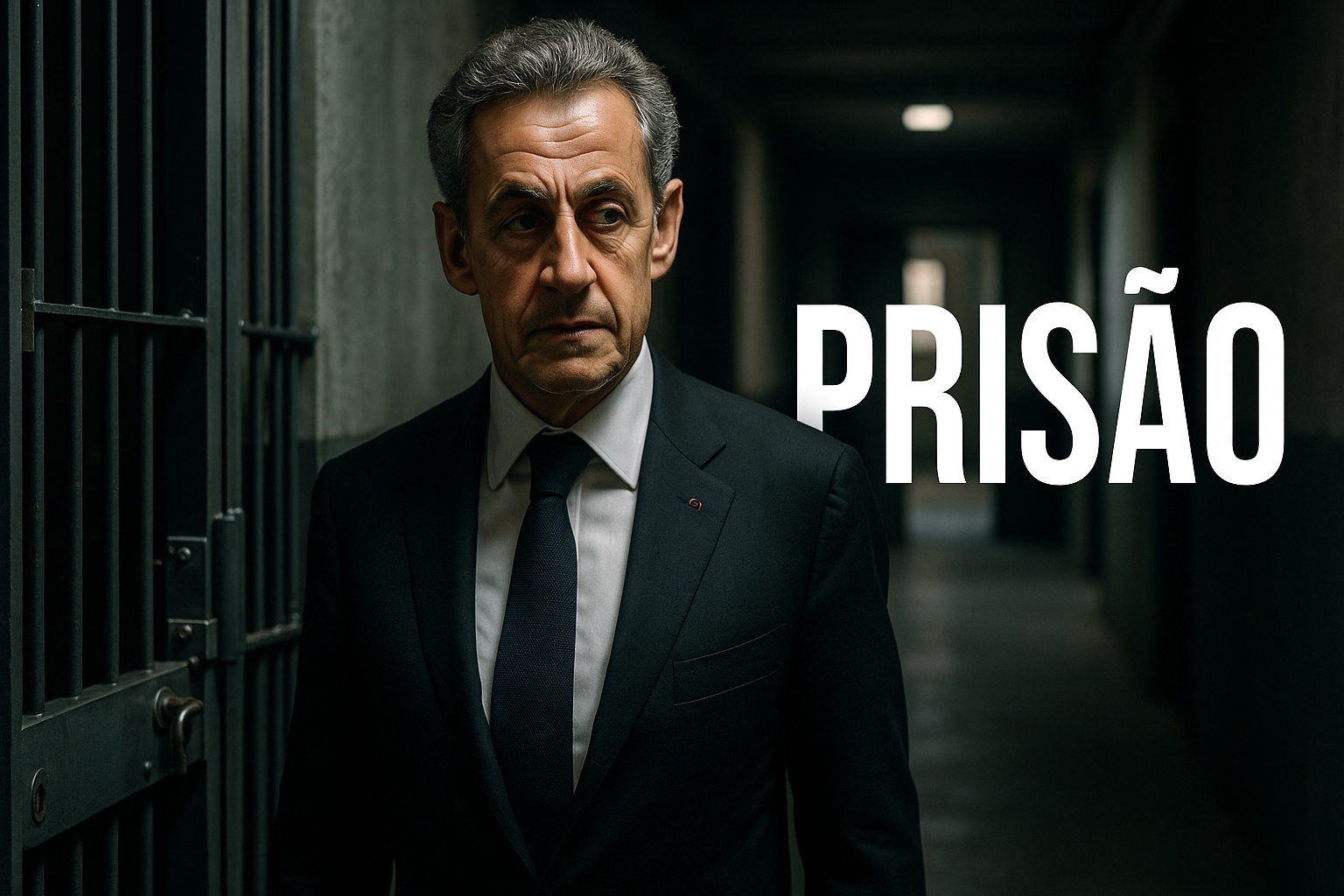

France In Shock: Sarkozy Arrested For Electoral Crime And Becomes The First Ex-President Detained Since World War II.
Sarkozy Arrested In Paris And Triggers Political Shock In France And Europe
The former president of France, Nicolas Sarkozy, was arrested on Tuesday (21) in Paris, after being convicted of illegal campaign financing with Libyan money.
The decision marks a historic and unprecedented moment in European politics, as Sarkozy is the first former French head of state to be arrested since the end of World War II.
The ex-leader, who governed the country between 2007 and 2012, presented himself in the morning at La Santé prison, where he is to serve a five-year sentence. On social media, he stated he is a victim of a “judicial scandal”, declaring: “They are arresting an innocent.”
-
U.S. Women’s History Museum Stalled in Congress Amid Gender Identity and Diversity Debate

-
European Parliament Approves Digital Euro, Aiming to Challenge Visa and Mastercard’s Dominance and Transform Payments Across Europe by 2029
-
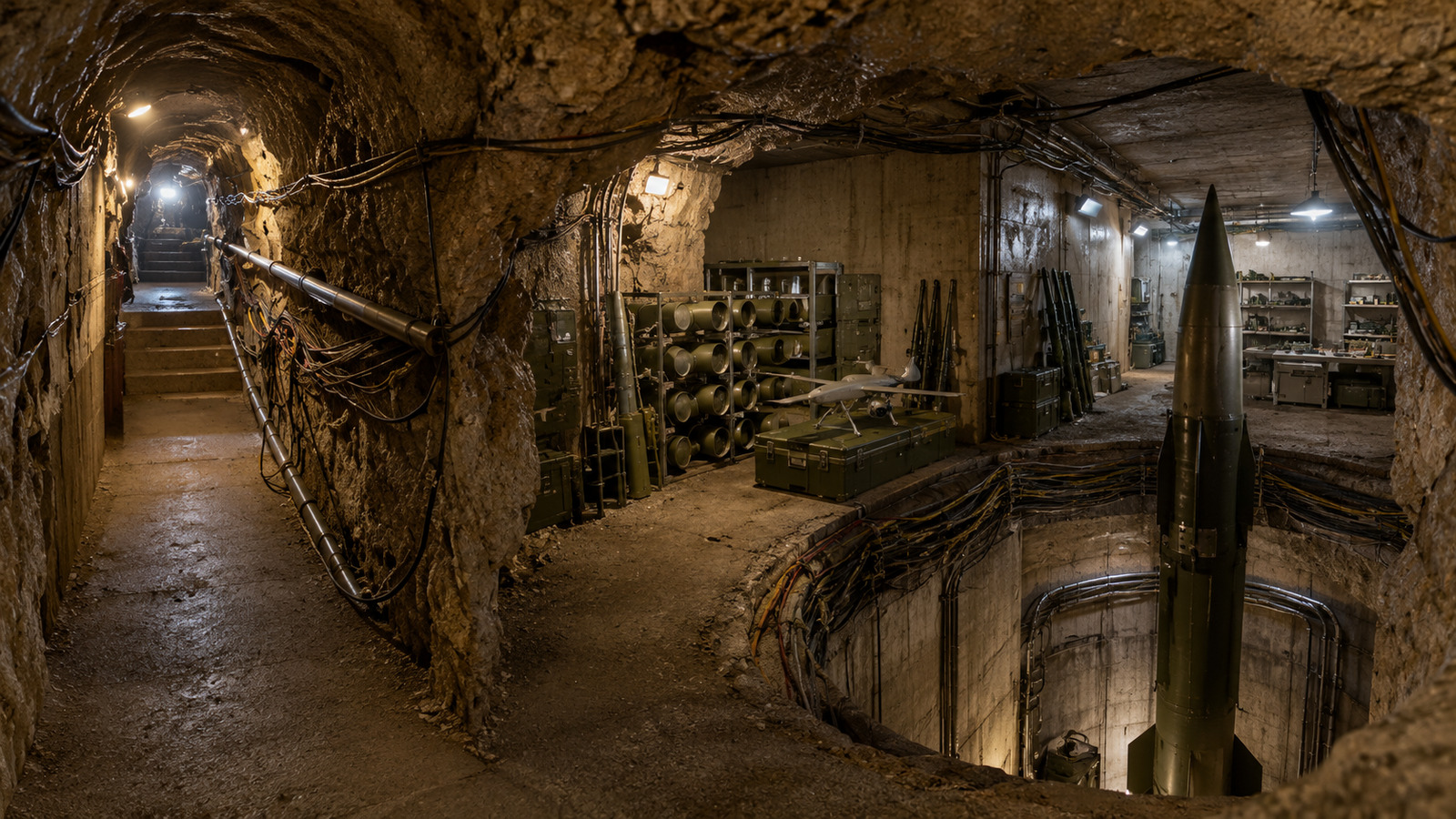
Israel finds Hezbollah militarized tunnel over 200 meters long under village, with 4 missile launch shafts, 12 chambers, anti-tank missiles, drones, and weapons depots at a depth of 25 meters.

-
Ukraine launches largest drone attack on Moscow since 2022, Russia claims to have intercepted nearly 200 aircraft near the capital, Kapotnya refinery targeted again, and offensive reignites alert about war reaching the Russian energy heart just a few kilometers from the Kremlin.



The Arrest That Shook French Political Power
The arrival of Sarkozy at the prison mobilized supporters and opponents. The former president left his home in Paris to applause and cries of solidarity, while part of the population characterized the trial as political.
In an interview with the newspaper Le Figaro, Sarkozy stated he would enter “with his head held high” into the prison, taking with him a biography of Jesus and the classic The Count of Monte Cristo, a symbol of injustice.
To avoid contact with other inmates, authorities placed the former president in a nine-square-meter isolation cell. Upon arrival, inmates shouted “Welcome, Sarkozy!” and “Look at Sarkozy!”, in an episode that resonated widely in the French press.
Conviction for Electoral Crime and Links to Libya
The French justice system convicted Sarkozy on September 25 for illegal association and campaign financing, in a scheme that involved funds from the Libyan government of Muammar Gaddafi, killed in 2011.
Although the court did not prove the direct use of the money, the sentence stated that the funds came from Libya, constituting a serious violation of French electoral laws.
The court highlighted the “exceptional seriousness of the facts” and, therefore, ordered the immediate detention of Sarkozy. The former president had a history of corruption and influence peddling, which worsened his situation before the French justice system.
Defense Seeks Parole
Sarkozy’s lawyers have already requested parole, possible for inmates over 70 years old. The French justice system has up to two months to decide on the request.
Known as “Sarko,” the former president became the first ex-leader of a European Union country to be arrested, which had a strong impact on European politics.
The arrest contrasts with the tough-on-crime image that Sarkozy built when he headed the Ministry of the Interior between 2005 and 2007.
France Divided Between Justice and Politics
Recent polls show that 60% of the French approve of Sarkozy’s arrest, but the case deeply divided the country. While part of the population sees the detention as a triumph of justice, political allies regard it as judicial persecution.
The French Prosecutor’s Office opened an investigation into threats against the judge responsible for the case, following attacks on social media. In response, President Emmanuel Macron defended the independence of the judiciary, but admitted he received Sarkozy at the Élysée Palace “for human reasons”.
Controversy with the Minister of Justice
The Minister of Justice, Gérald Darmanin, announced that he would visit Sarkozy in prison, justifying the gesture as respect for a former head of state.
However, prosecutors harshly criticized the decision, stating that the visit could threaten the independence of judges and open dangerous political precedents.
The attitude generated tensions within the Macron government and reignited the debate about the relationship between power and justice in France, a theme that echoes throughout Europe.
Geopolitical and Symbolic Impact for Europe
The arrest of Nicolas Sarkozy goes beyond French borders. For analysts, the case reveals the strengthening of European democratic institutions, but also exposes the political fragilities of traditional leaders.
Thus, the episode symbolizes a historical turning point in European geopolitics, where no politician is above the law. At the same time, it exposes the tensions between power, influence, and justice that still mark the political landscape of France.
Consequently, the arrest of Sarkozy becomes a watershed moment in contemporary history — an event that intertwines electoral crime, power, and political downfall, reverberating across Europe.





Hi Neat post Theres an issue together with your web site in internet explorer may test this IE still is the marketplace chief and a good component of people will pass over your fantastic writing due to this problem