






 Portuguese
  Spanish
  5 min of reading
  0 comments


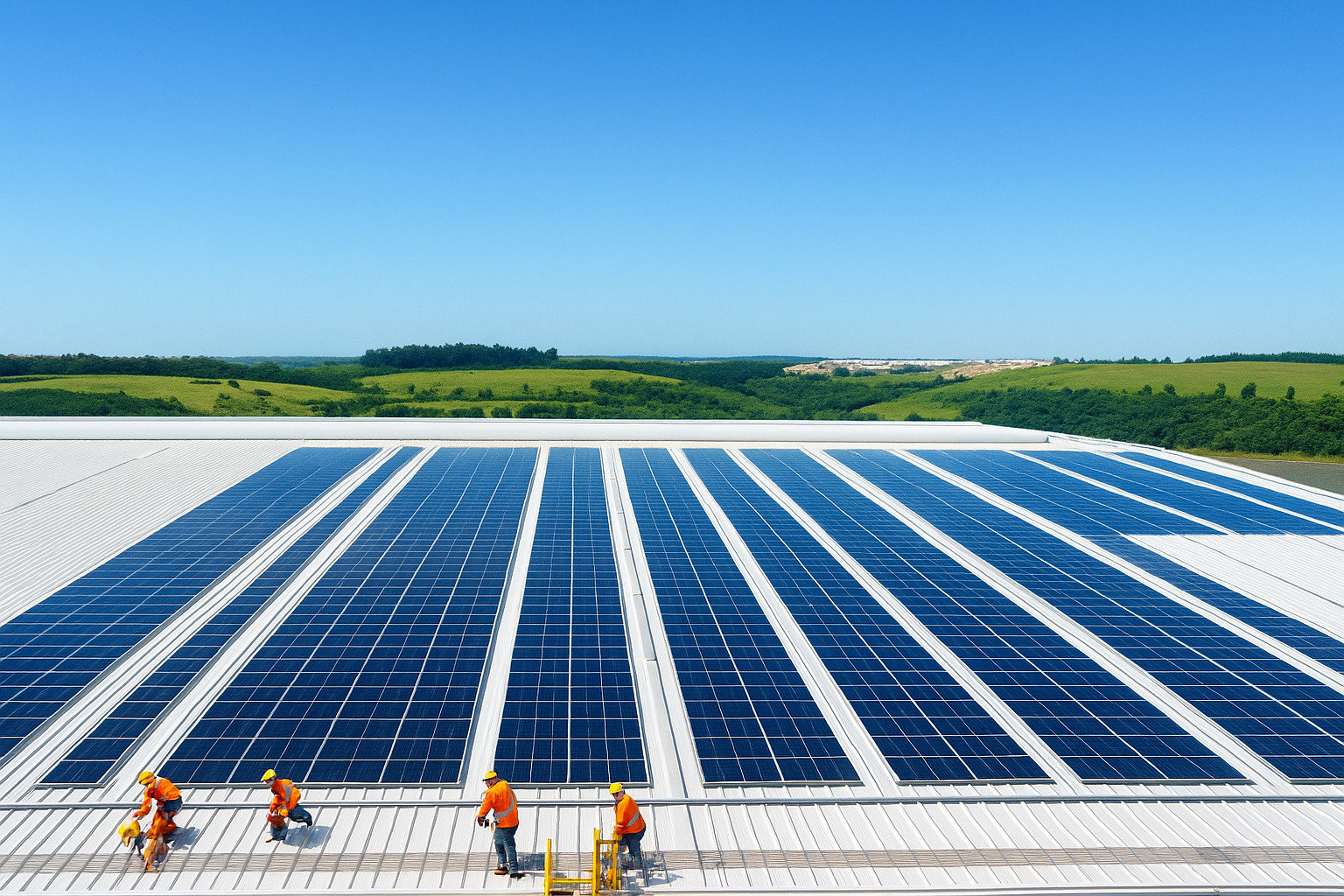
Brazil Faces Historic Cuts Due to Excess Renewable Energy, Compromising Electricity Production and Challenging the National Energy Infrastructure.
The Brazilian economy has stood out in recent decades as a global leader in the production of renewable energy. In fact, sources such as solar, wind, and hydroelectric power now form the backbone of the national electric sector.
However, the accelerated growth of these sources has brought to light an unexpected challenge: the excess of renewable energy. In 2024, the country recorded unprecedented cuts in electricity generation, revealing structural limitations. This highlights the need for broader strategic planning.
Historically, Brazil has always maintained a power matrix strongly based on hydropower. Since the mid-20th century, projects such as the Itaipu Dam and other large reservoirs have consolidated the country as a reliable producer of clean and relatively cheap energy.
-
Brazilian scientists are simultaneously advancing two research projects on clean hydrogen and driving solutions that could transform the energy matrix, enhance industrial competitiveness, and accelerate large-scale emission reduction targets.

-
Advancement in renewable energy: A R$ 150 million project launched by Petrobras and Finep aims to create state-of-the-art electrolyzers for green hydrogen, strengthening national research and preparing Brazil to compete in a billion-dollar energy market.
-
Illiterate or semi-literate grandmothers were trained to repair solar systems, open rural workshops, and light up homes that still depended on kerosene.
-
The world has bet on green hydrogen as the fuel of the future, but now faces the side effect: producing 1 kilogram requires about 9 liters of ultrapure water, and the largest projects on the planet are precisely in the driest regions of the Earth, where water is already scarce for people.





With the advancement of solar and wind technologies in the last two decades, the matrix has diversified. Consequently, more regions of the country have been able to generate energy close to consumption points. However, this growth has brought new challenges in balancing supply and demand.
Additionally, the rapid development of renewable energy resulted from incentive policies implemented in the 2000s. At that time, the federal government began to prioritize clean projects and reduce dependence on fossil fuels.
Thus, these policies helped Brazil become a reference in clean energy, but now reveal limitations in management and storage capacity. Therefore, the excess of renewable energy requires immediate strategic attention.
What Causes Excess Renewable Energy
The excess of renewable energy occurs when electricity production exceeds consumption capability or the infrastructure to store it. This phenomenon, known as “curtailment”, involves cuts in generation.
In this context, the National Electric System Operator (ONS) determines these interruptions to protect the electric grid, avoiding overloads that could cause widespread blackouts.
In 2024, the cuts reached record levels, compromising about 20% of total renewable sources production. Therefore, the financial impact on generating companies has already exceeded R$ 5 billion, showing that the situation affects not only operations but also the economic sustainability of the sector.
The unregulated growth of solar and wind generation in Brazil reflects not only the increased demand for clean energy but also incentive policies for decentralized production, known as distributed generation.
Currently, the country has more than 42 gigawatts (GW) of installed capacity in distributed generation, including homes, industries, and small energy farms. Although this expansion democratizes access to energy, it also increases the complexity of system management. Much of this electricity is not under the direct supervision of the ONS.
Moreover, the excess of renewable energy arises from the lack of synchronization between generation and consumption. For example, solar energy peaks during the day, but consumption demand does not always keep pace with this growth.
Consequently, in the afternoon, some regions produce more energy than the grid can absorb. At the same time, wind energy, although more consistent during certain periods, also faces storage and transmission limitations, especially when strong winds hit different regions simultaneously.
Another relevant factor involves the geographical concentration of wind generation, especially in the Northeast, creating regional imbalances. Thus, some areas receive more energy than the grid can transport, while others still depend on fossil sources to meet demand.
Therefore, the excess of renewable energy is not just a technical challenge but also a logistical and regulatory challenge.
Economic and Regulatory Impacts
The cuts directly affect the economy of generators. Thus, companies face accumulated debts due to the interruption of generation, hindering new investments and impacting the financing of future projects.
Furthermore, the BNDES has already expressed concern about the scenario, emphasizing that financial stability in the sector is essential to maintain the pace of expansion of renewable energy in Brazil.
Experts and industry associations, such as the Brazilian Solar Photovoltaic Energy Association (Absolar) and the Brazilian Wind Energy Association (Abeeólica), alert the government about the need for structural measures.
Among the proposals, they emphasize the creation of clear mechanisms to financially compensate the losses incurred by generators during the cuts. At the same time, Aneel discusses guidelines that may reduce some of these impacts.
Additionally, market analysts draw attention to how the excess of renewable energy influences the price of electricity. Indeed, the oversupply reduces rates during peak production hours, benefiting residential consumers. However, it creates economic challenges for investors financing new clean energy projects.
Solutions to Balance Supply and Demand
One widely discussed technical solution involves increasing energy storage capacity. For example, batteries in homes, industries, and large plants could store the surplus generated during production peaks.
They would release energy when demand increases. Additionally, another strategy consists of flexibilizing the use of hydropower plants, adjusting turbine operations to better absorb excess energy.
Thus, programs that encourage consumption during periods of oversupply can reduce the impacts of the excess of renewable energy, efficiently balancing supply and demand.
The current scenario also highlights the need to modernize transmission infrastructure. Many power lines cannot support the increasing amount of energy coming from multiple distributed sources.
Therefore, building new lines and upgrading existing ones becomes essential to ensure that energy generated in distant regions reaches the consumption centers without significant losses or overload risks.
Another important solution involves using smart energy management technologies, which allow for real-time monitoring of generation and consumption, facilitating the redistribution of surplus.
Moreover, software for forecasting wind and solar radiation helps plan network operations, reducing the impact of the excess of renewable energy.
Environmental Impacts and Historical Context
The debate on the excess of renewable energy should also consider environmental and social impacts. Although clean energy reduces greenhouse gas emissions and offers sustainable alternatives to a fossil fuel-based matrix, energy waste represents waste of economic and technological resources.
Furthermore, poorly planned projects can generate local conflicts, especially when the expansion of wind or solar facilities involves rural lands or environmentally sensitive areas.
Historically, previous energy crises in Brazil, such as the rationing in 2001, occurred in a different context, marked by almost exclusive dependence on hydropower.
However, today the country faces a more complex challenge: balancing a diversified and distributed matrix, ensuring that the abundance of clean energy does not become an operational or financial problem.
Perspectives for the Future of the Electric Sector
The future of the Brazilian electric sector depends on the ability to implement structural and innovative solutions. The excess of renewable energy demonstrates the success of the country in transitioning to clean sources.
However, without adequate planning and investment, this success can turn into vulnerability. Therefore, government, businesses, and regulators need to work together, creating policies that integrate generation, storage, and consumption, ensuring stability, security, and continuity of renewable expansion.
In summary, the excess of renewable energy in Brazil reflects both the progress and the challenges of the electric sector. It showcases the country’s capacity to generate clean energy in large volumes, but also highlights limitations in infrastructure, planning, and regulation.
Thus, solutions such as increasing storage, flexibilizing hydropower plants, and modernizing transmission are essential to transform excess energy into opportunity. In this way, Brazil remains a global leader in renewable energy production.








Be the first to react!