






 Portuguese
  Spanish


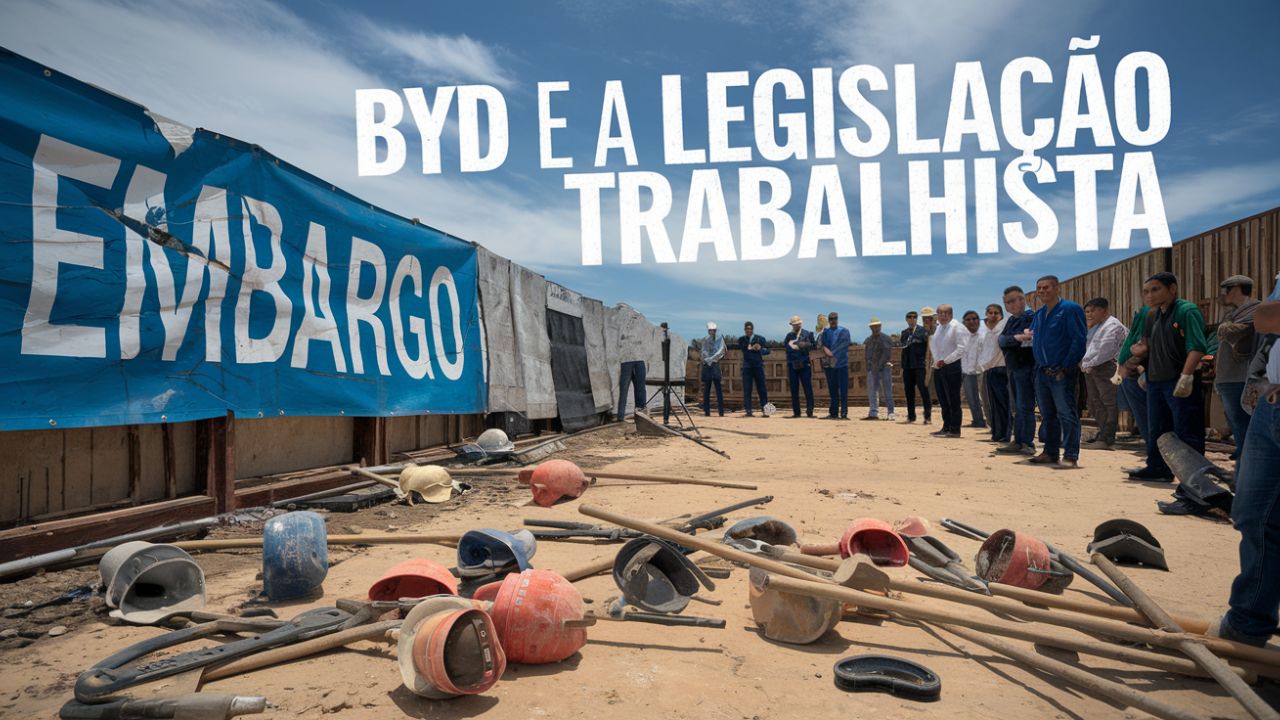

After Shocking Reports Of Slavery-Like Conditions Involving 163 Chinese Workers, BYD Terminates Contract With Accused Contractor And Hires Brazilian Company To Recover Its Factory In Camacari, Bahia.
Have you ever stopped to think about the impact that working conditions have on the reputation of large companies? BYD, a Chinese automotive giant, recently felt this firsthand. After serious allegations involving workers at its factory in Camacari, Bahia, the company took drastic measures to repair the damage and avoid further issues.
Understand The Case: Allegations At BYD Construction Sites In Bahia
It All Started With An Operation In December 2024, When A Task Force Led By The Public Labor Ministry (MPT) Found 163 Chinese Workers Living In Conditions That Could Be Described As Scenes From A Nightmare. Having To Sleep On A Mattress Thin As Paper, Eating Next To Construction Materials, Or Facing Exhausting Hours Of Up To 70 Weekly.
The Situation Was Considered So Severe That The Factory’s Construction Was Partially Halted. The Chinese Company Jinjiang, Hired By BYD To Manage The Construction, Was Accused Of Practices Such As Withholding Passports And Wages, As Well As Neglecting The Safety And Well-Being Of The Workers.
-
U.S. City Builds Tiny Home Village on Water Company Land to House 136 Homeless People: Inside the Social Housing Units

-
Woman Turns Shipping Container into Home, Embraces Rural Life to Cut Monthly Expenses to Just Over $330
-
France Revamps 530 Social Housing Units with Large Balconies and Glass Facades Without Demolishing Existing Buildings

-
Facing high rent, couple transforms parents’ garage into a fully functional apartment, creating a complete home at a fraction of the market cost.




BYD’s Response: Changes And Hiring Of A New Contractor
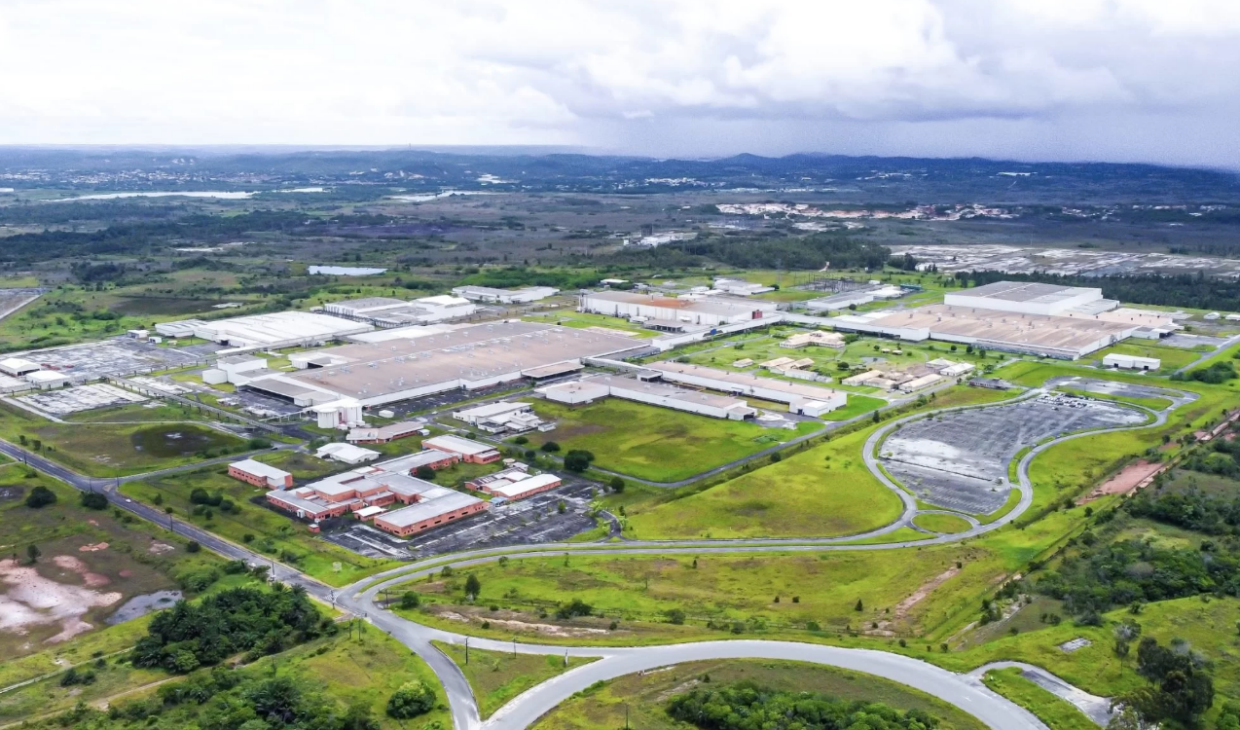
According To The UOL Website, With The Negative Repercussions, BYD Wasted No Time. The First Action Was To Terminate The Contract With Jinjiang. Next, It Temporarily Hired Sepeng Engenharia, A Brazilian Construction Company, To Make The Necessary Adjustments To The Embargoed Construction.
Sepeng, Hired By BYD, Was Tasked With Duties Such As Regulating Safety Standards, Installing Rest Areas, And Improving On-Site Signage. The Most Interesting Part? A Good Portion Of The 100 New Workers Are Residents Of Camaçari, Reinforcing The Positive Impact On The Local Economy.
Local Impact: Brazilian Workers And Regulation
This Change Is Not Just Symbolic. Hiring Local Labor Provides A Breather For The Region’s Economy, In Addition To Ensuring That Safety Standards And Working Conditions Are Respected. After All, Brazil Has Strict Labor Legislation That Cannot Be Ignored.
Emergency Measures, Such As Housing Foreign Workers In Hotels And Ensuring Dignified Conditions, Show An Effort By BYD To Recover Its Credibility.
Commitment To The Future: Compliance Measures And New Infrastructure
Recognizing The Gravity Of The Situation, BYD Established A Compliance Committee To Monitor And Ensure That Cases Like This Do Not Happen Again. The Group Includes Lawyers, Labor Law Experts, And External Consultants.
Another Significant Change Was The Restructuring Of Facilities For Workers, Who Now Have Rooms Equipped With TVs And Air Conditioning. The Images Released By The Company Show A Clear Attempt To Turn The Page And Demonstrate Respect For Brazilian Standards.








