






 Portuguese
  Spanish
  3 min of reading
  0 comments


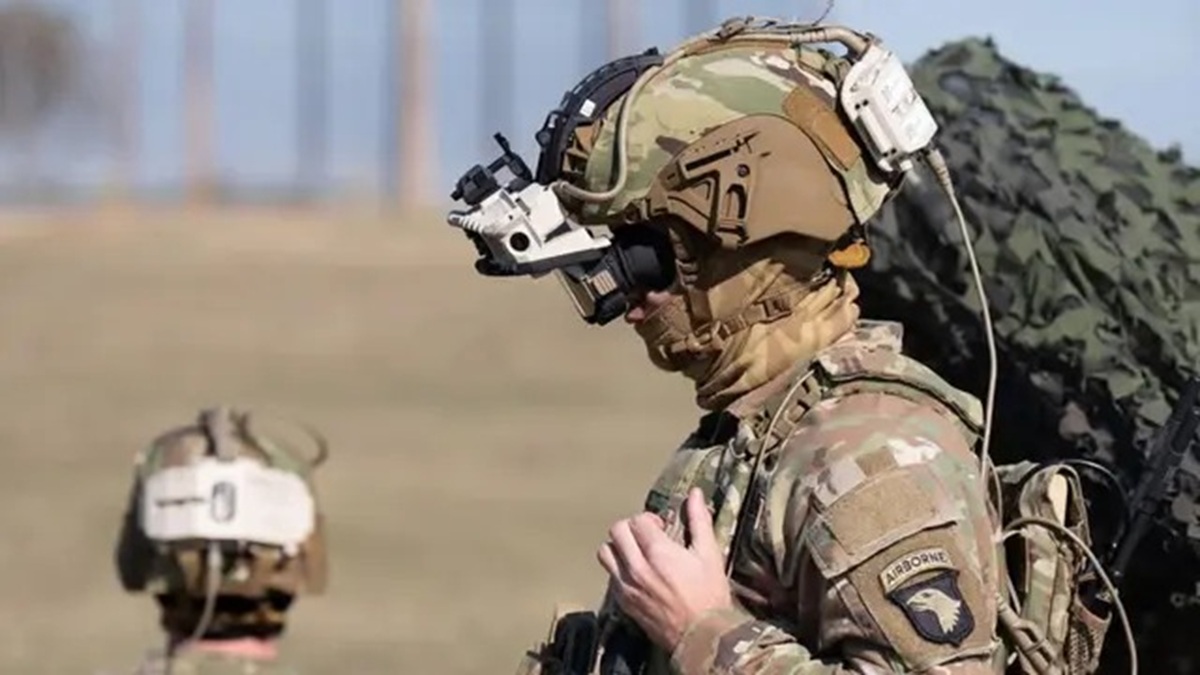
The United States Army Wants To Transform The Way Its Soldiers See The Battlefield. After Years Of Frustrations With Old And Ineffective Technologies, The Institution Is Now Betting High On A New System That Promises To Unite Night Vision, Augmented Reality, And Artificial Intelligence In A Single Helmet
The United States Army Has Signed A $159 Million Contract With Anduril Industries To Create A Prototype Of A Helmet-Mounted Mixed Reality System. The Idea Is To Provide Soldiers With Capabilities Described As “Similar To Superheroes,” Combining Night Vision, Augmented Reality, And Artificial Intelligence.
The Project Is Part Of The Soldier Borne Mission Command (SBMC) Program, Which Succeeds The Integrated Visual Augmentation System (IVAS). According To The Military, The New Platform Should Accelerate Decisions And Improve Battlefield Awareness.
This Initiative Comes After The Issues With IVAS, Developed With Microsoft Since 2018, Which Faced Delays And Technical Failures. Soldiers Reported Nausea And Headaches, Leading Congress To Cut Funding In 2022.
-
Helicopter Drops 180 Tons of Sand and Gravel on Swedish River to Revive Ecosystem Damaged by Decades of Exploitation

-
Brazilian Company Launches Retro Smartphone with 48 MP Camera, T9 Keyboard, and Privacy Features for Social Media-Free Use

-
Self-Taught Chinese Farmer Builds 5-Ton Submarine from Scrap, Launches It in Anhui River
-
Invisible Induction Technology Enables Wireless Power for Blenders, Coffee Makers, and Air Fryers, Reducing Countertop Cables


Lessons From The Past For A New System
Anduril Claims That Its System Uses The Lessons Learned From IVAS. It Combines Advanced Optics With Real-Time Maps And Sensor Overlays. This Way, Soldiers Do Not Need To Switch Between Radios, Apps, And Paper Maps.
The Company Says That Combatants Will See All Information In A Single Image, Projected Onto Displays In The Helmet. This Integration, According To The Army, Can Reduce Errors And Increase Agility On The Battlefield.
Army Documents Indicate That Military Operations Require Quick Decisions To Overcome Enemies. Therefore, The Institution Considers It Vital To Modernize The Way Soldiers Receive And Process Data.
Modular Components And Open Software
The System Is Being Developed With Support From Companies Like Meta, OSI, Qualcomm, And Gentex. The Helmet-Mounted Display Will Integrate Day, Night, And Thermal Images With Real-Time Intelligence, While Allowing The Selection Of Modules For Each Mission.
At The Core Of The Software Is The Soldier Borne Mission Command-Architecture (SBMC-A), Built On Anduril’s Lattice Platform. It Connects The Displays To Computing Devices And Cutting-Edge Sensors, Creating An Integrated Ecosystem.
Anduril Is Also Working With Partners Such As Palantir, L3Harris, Persistent Systems, Sierra Nevada Corporation, And Maxar Intelligence. This Group Aims To Ensure That The System Functions Reliably In Real Combat Environments.
Field Tests And Rapid Updates
The SBMC-A Has Already Been Tested With The IVAS 1.2 Headsets. In Recent Experiments, Soldiers Controlled Drones From Over Three Kilometers Away Using Only The Displays Mounted On Their Heads, Without The Need For Dedicated Operators.
According To Anduril, The Architecture Also Streamlines Software Updates. Changes That Used To Take Two Days Can Now Be Made In Just 15 Minutes, Allowing Rapid Incorporation Of Feedback From Soldiers And Reducing Costs.
This Capability For Constant Adaptation Is Considered Crucial By The Military To Maintain An Advantage In Rapidly Changing Scenarios.
Shaping The Fight Of The Future
The Army Describes The SBMC As Its Biggest Effort To Equip Each Soldier With Better Awareness And Decision-Making Capabilities. The Program Gathers Over 260,000 Hours Of Feedback Collected During The Use Of IVAS.
Authorities Claim That The Goal Is To Resolve Information Fragmentation. Today, Leaders Must Manually Combine Maps, Radios, And Apps To Coordinate Their Teams, Which Consumes Precious Time.
With The SBMC, The Army Hopes To Unite Sensors, Intelligence, And Command Tools In A Single Platform. Each Soldier Would Have Access To Real-Time Data, Enabling Faster Action.
If Successful, Anduril’s Prototype Could Represent The Advancement The Army Has Been Seeking Since The Failure Of IVAS. The Institution Believes This Will Be The Foundation For A New Generation Of Systems For Its Combatants.





Be the first to react!