





With expressive advance in national extraction and strong pre-salt performance, country consolidates global prominence while major oil companies expand production and pressure global energy dynamics
Brazil’s oil production surprised again the global market by reaching a new historical record for the second consecutive month in March 2026. This advance reinforces the country’s prominence in the international energy scenario and highlights the strategic role of the pre-salt in expanding the national supply of oil and natural gas.
The information was released by the “National Agency of Petroleum (ANP)”, based on official sector data, and also echoed in energy market analyses. According to the latest figures, national production reached an impressive 4.25 million barrels per day (bpd), representing an increase of approximately 17% compared to the same period in 2025.
Furthermore, the result surpassed the previous record registered in February by more than 4%, when the country had already reached 4.06 million bpd. This continuous growth shows that Brazil is experiencing a period of strong productive expansion, driven mainly by new offshore projects and the entry of modern platforms in the pre-salt.
-
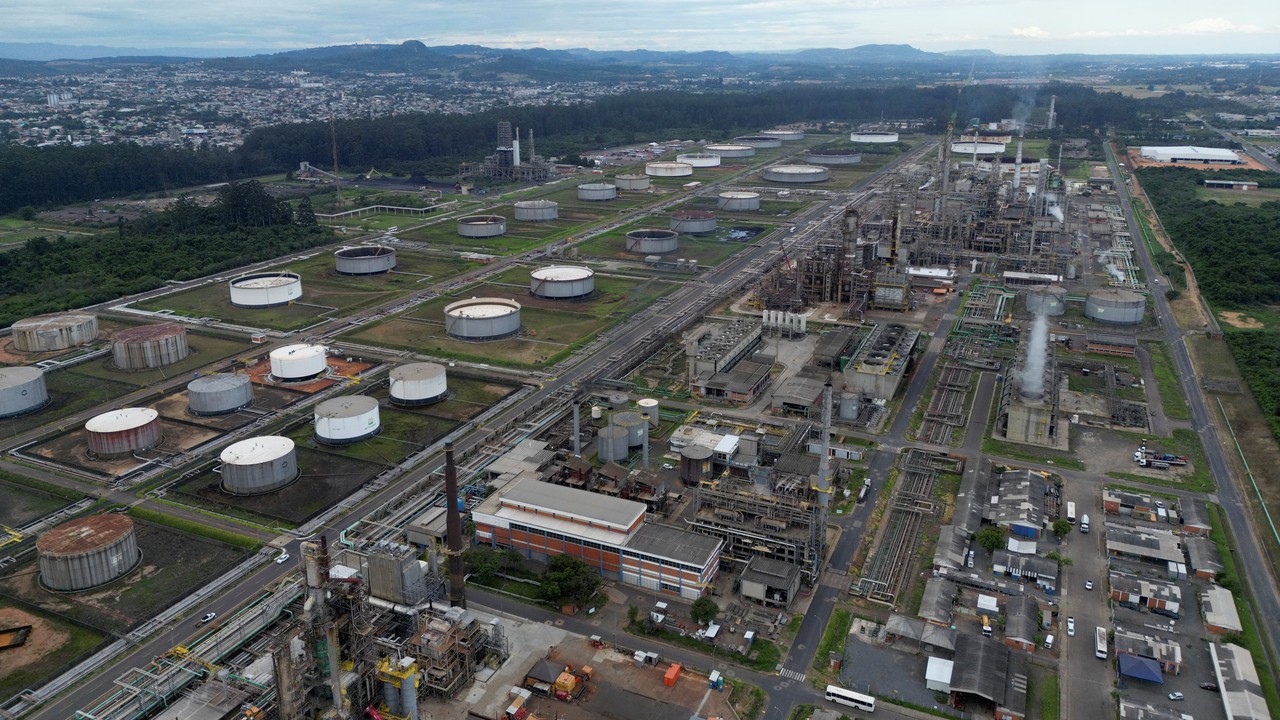
With a record production of nearly 3 million barrels per day, Petrobras resumes importing diesel in July, highlighting the bottleneck in Brazilian refining.

-
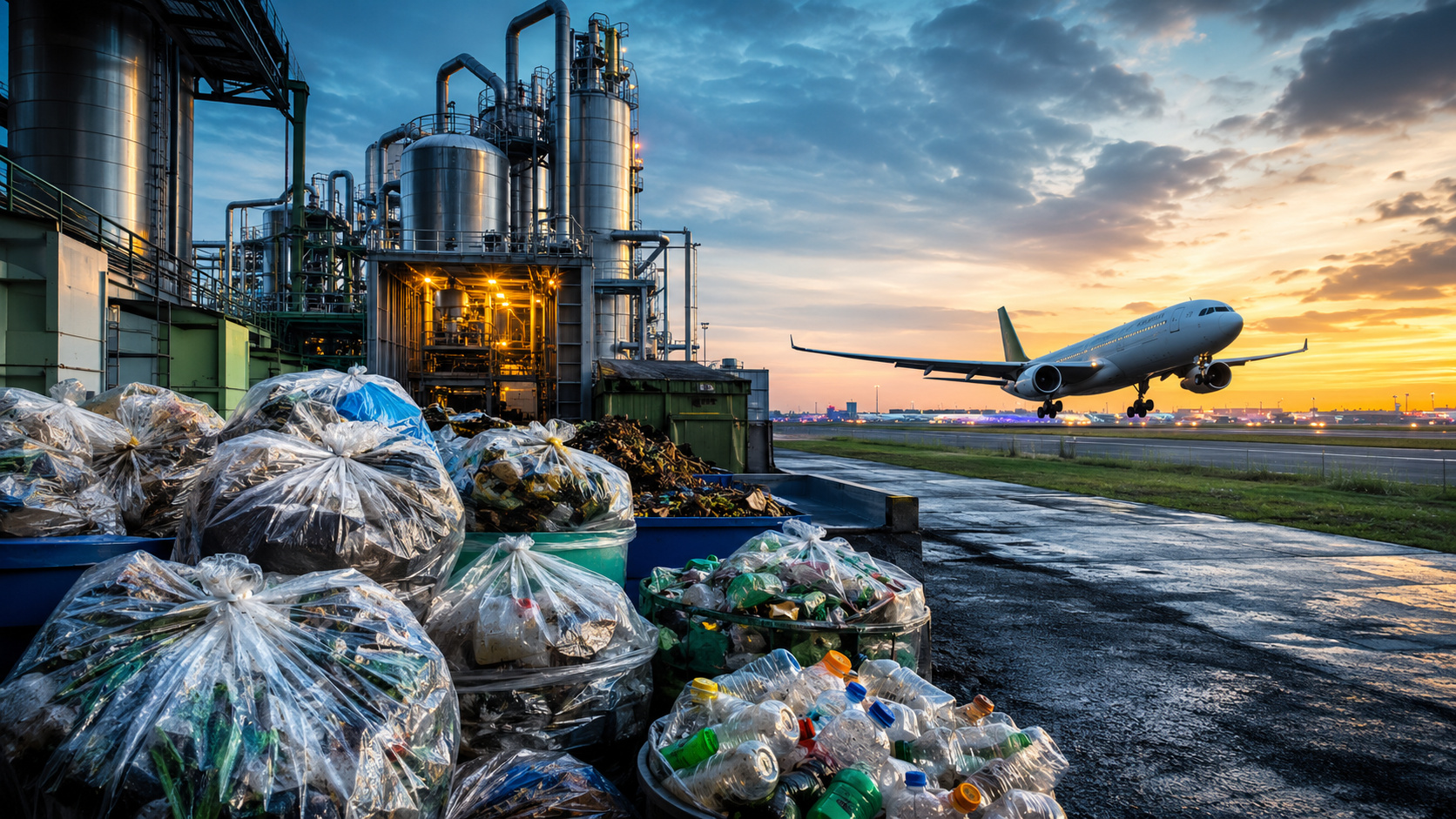
Qantas and Airbus Invest in Company Aiming to Convert Unsorted Household Trash into Jet Fuel

-
Brazil’s ANP Opens 86 New Oil Blocks in the Equatorial Margin, Expanding the Amazon River Mouth Frontier

-
OPEC+ Boosts Oil Supply by 188,000 Barrels per Day in July 2026, Leading to Price Drop from $112 to $89 per Barrel in Under Two Months


Pre-salt leads growth and redefines the Brazilian energy map
The great driver behind this historic performance is, without a doubt, the pre-salt. In March 2026, this region accounted for about 80% of all national production, reaching 3.41 million barrels of oil per day. This volume confirms the strategic importance of this area, which continues to be one of the most productive in the world.
Furthermore, the growth is not isolated. In 2025, Brazil had already registered a record average volume of 3.77 million bpd, with an increase of approximately 12% compared to 2024. Therefore, the current advance is the result of a consistent trend of production expansion, driven by investments and technological innovation.
In this context, Petrobras maintained its absolute leadership in the sector. In March, the state-owned company produced 2.57 million barrels per day, representing a 15% growth year-on-year. This performance reinforces the company’s central role in the development of the Brazilian oil industry.
Meanwhile, other global giants also expanded their operations in the country. Shell, the second largest producer in Brazil and Petrobras’ main partner in the pre-salt, registered a production of 427.5 thousand bpd, with an advance of 10.8%. Meanwhile, TotalEnergies showed an even more expressive growth, reaching 201.75 thousand bpd, an increase of 22.6% in the same period.
Natural gas production grows and reinforces Brazil’s energy importance
In parallel with oil, natural gas production also showed impressive numbers. In March 2026, the volume reached 204.11 million cubic meters per day (m³/d), representing an increase of 23.3% compared to the same month in 2025. Furthermore, there was an increase of 3.3% compared to February.
However, not all of this gas reaches the market. Of the 204.11 million m³/d produced, only 67.39 million m³/d were effectively made available for consumption. At the same time, 112.02 million m³/d were reinjected into producing fields, a common strategy to maintain reservoir pressure and increase extraction efficiency.
Furthermore, the sector registered internal consumption on platforms of 19.25 million m³/d and flaring of 5.46 million m³/d. These numbers show the complexity of the production chain and the logistical challenges involved in the exploration of energy resources.
Summing oil and natural gas, total Brazilian production reached a new record of 5.53 million barrels of oil equivalent per day (boe/d). For comparison, in March 2025 this number was 4.66 million boe/d, showing expressive growth in just one year.
Consecutive records place Brazil at the center of global decisions
Given these numbers, it is evident that Brazil is consolidating its position as one of the main players in the global energy market. This continuous growth not only strengthens the national economy but also increases the country’s relevance in discussions about energy security and energy transition.
On the other hand, the advancement of production also brings challenges. The expansion of global oil supply can directly influence international prices, in addition to raising debates about sustainability and environmental impact.
Even so, the current scenario points to a positive cycle. With new investments, the expansion of pre-salt exploration, and the growing participation of major international companies, Brazil tends to maintain this growth pace in the coming years.
Do you believe Brazil is prepared to become a global energy powerhouse, or are there still challenges that could hinder this growth?









