Portuguese
  Spanish


China announced the discovery of 225 new oil and gas fields in the last five years, with an investment of US$ 66 billion to expand its energy reserves.
Amidst a global energy crisis exacerbated by geopolitical tensions, China announced last Thursday (30) the discovery of 225 new oil and gas fields within its own territory over the past five years, as reported by CNN. The announcement was made by the country’s Ministry of Natural Resources and represents a significant milestone in China’s energy self-sufficiency strategy — especially at a time when global markets are suffering from instability in the supply of fossil fuels.
Learn more details about the discovered oil and gas fields
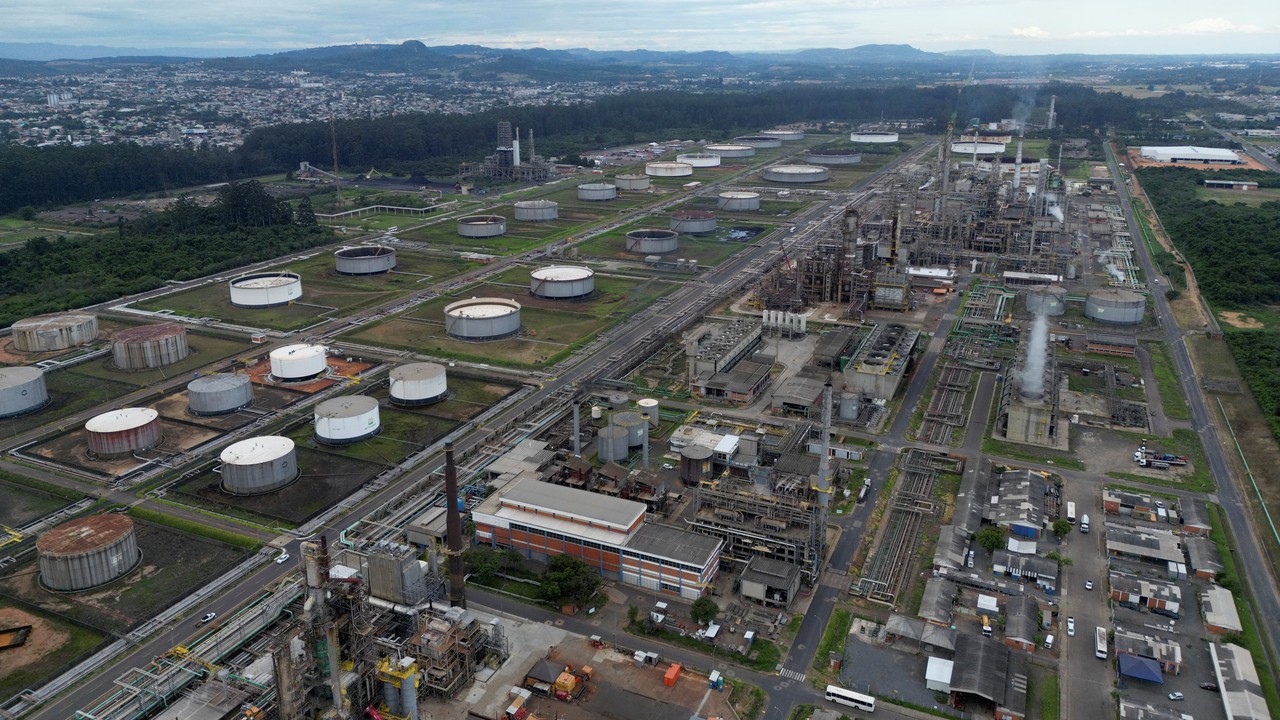
Of the 225 new areas identified, 13 oil fields have reserves exceeding 100 million tons each. Additionally, another 26 natural gas fields show volumes above 100 billion cubic meters per location.
The Ministry of Natural Resources, however, did not detail what portion of these reserves is already available for immediate extraction.
-
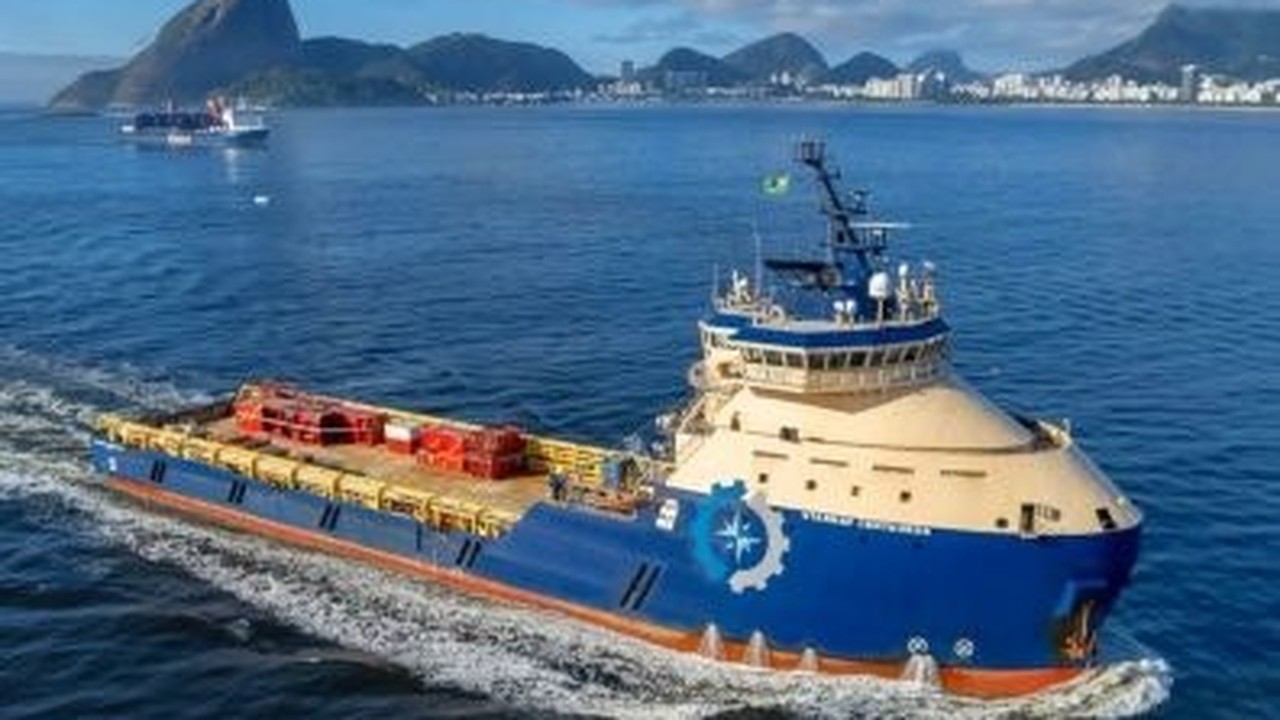
Starnav orders 10 hybrid vessels with German MTU engines in Itajaí and prepares fleet to serve Petrobras in the pre-salt for 12 years.

-
The Chamber releases R$ 10 billion to hold the price of diesel until December and proves that Brazilian fuel remains tied to Congress.
-
It’s official: Petrobras takes 75% of block 3 in São Tomé and Príncipe and debuts as an offshore operator outside South America.
-
With a record production of nearly 3 million barrels per day, Petrobras resumes importing diesel in July, highlighting the bottleneck in Brazilian refining.


To enable these discoveries, the Chinese government injected over 450 billion yuan — equivalent to approximately US$ 66 billion — into exploration and geological research. The result, according to authorities, was almost doubling the volume of the country’s known crude oil and natural gas reserves compared to what was recorded a decade ago.
With this advancement, national natural gas production is expected to continue growing year-on-year, while oil extraction remains stable, at around 200 million tons annually.

The importance of the announcement of new oil and gas fields
The timing of the announcement is no coincidence. The international energy market is facing one of its most turbulent periods, driven by the closure of the Strait of Hormuz — one of the planet’s most strategic maritime routes, through which a large portion of the world’s consumed oil passes.
In this scenario, the impacts are felt by almost all major economies. China, despite being the world’s largest energy importer, has managed to navigate the crisis with more stability than most countries of similar economic size.
One of the factors explaining this performance is precisely the long-standing program aimed at energy independence, which now gains new momentum with the newly mapped reserves.
China imports from Iran, but seeks to reduce vulnerabilities
Despite domestic progress, the country is not completely isolated from external shocks. About 10% of the oil imported by China originates from Iran — which makes the nation partially exposed to instabilities in the Persian Gulf region.
Therefore, authorities reinforced their commitment to “safeguard national energy security” and continue oil and gas exploration operations within their own borders.
In the same week of the announcement, Chinese President Xi Jinping called on the country’s administration to act in a coordinated manner in the face of current challenges. Among the guidelines are:
- Systematically address the impacts of external shocks on the economy
- Strengthen the security of energy and strategic resource supply
- Use high-quality development as a response to global uncertainties
The statement reinforces that the exploration of new oil reserves is not just an economic agenda, but a state priority for the largest Asian power.
With information from CNN