Portuguese
  Spanish


The international energy market once again registered strong volatility after rumors of a possible agreement between the United States and Iran raised expectations of reduced tensions in the Middle East. As a consequence, oil prices fell sharply, reflecting investor optimism about the possibility of an end to the conflict in the region.
The information was released by the American newspaper Axios, based on White House sources and unofficial interlocutors. According to the portal, negotiations had advanced in recent hours, increasing the chances of a diplomatic understanding between the two countries.
Why oil prices fell after agreement rumors
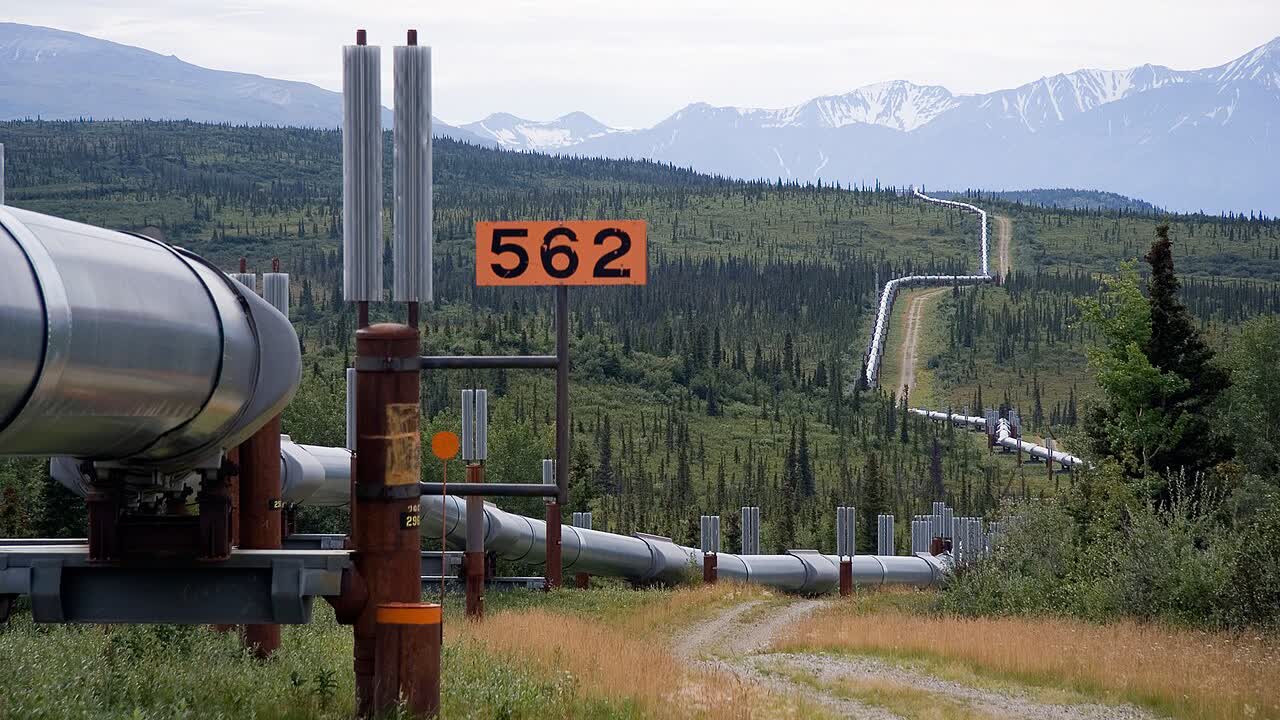
Oil prices usually react quickly to any sign of instability or pacification in the Middle East. This happens because the region concentrates some of the main global energy transport routes.
-
With a record production of nearly 3 million barrels per day, Petrobras resumes importing diesel in July, highlighting the bottleneck in Brazilian refining.

-
Qantas and Airbus Invest in Company Aiming to Convert Unsorted Household Trash into Jet Fuel

-
Brazil’s ANP Opens 86 New Oil Blocks in the Equatorial Margin, Expanding the Amazon River Mouth Frontier

-
OPEC+ Boosts Oil Supply by 188,000 Barrels per Day in July 2026, Leading to Price Drop from $112 to $89 per Barrel in Under Two Months
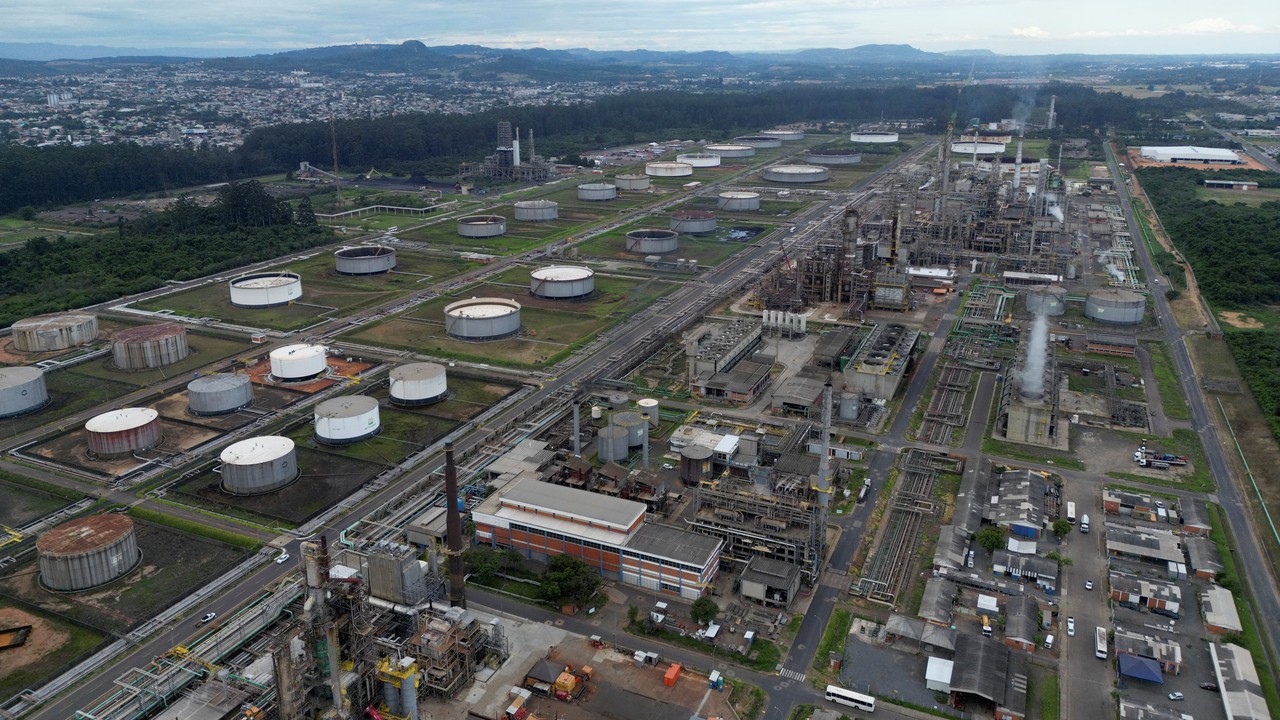


In recent months, the market had been operating under strong pressure due to the risk of interruptions in international oil supply. However, rumors of a possible agreement changed the scenario.
With the expectation of reduced tensions, investors began to believe in greater stability in the global flow of the commodity. As a result, international contracts registered a sharp decline.
The role of the Strait of Hormuz in the crisis
Much of the market’s concern revolves around the **Strait of Hormuz**, one of the planet’s most important maritime routes for oil transport.
According to experts and international media, about 20% of the world’s oil passes through the region. Therefore, any threat of blockade or conflict immediately affects global commodity prices.
In recent months, the risk of the route’s closure raised fears of energy scarcity. Now, with the possibility of an agreement between the United States and Iran, the market has begun to reduce this so-called “geopolitical risk premium”.
What the information released by Axios says
According to Axios, negotiations are reportedly advancing towards a possible memorandum between the two countries. The information cites sources linked to the White House and interlocutors involved in the diplomatic talks.
Furthermore, the Iranian government has reportedly signaled its willingness to evaluate a peace proposal presented by the United States.
Among the main points mentioned in the negotiations would be:
- Reopening of the Strait of Hormuz
- Reduction of military tensions
- Gradual suspension of trade blockades
- Possible easing of economic sanctions
Although there is no official confirmation of a definitive agreement yet, the mere progress of the talks has been enough to alter market behavior.
How the financial market reacted
The fall in oil prices did not only impact the energy sector. International stock markets also reacted positively to rumors of de-escalation in the Middle East.
According to international media, investors began to see a lower risk of a prolonged crisis involving energy and global trade.
Furthermore, assets considered riskier regained strength, while the market reduced some of the caution observed in recent weeks.
In this context, oil lost value precisely because the scenario of global supply disruption became less likely.

The relationship between geopolitics and oil prices
The episode reinforces how the oil market is highly influenced by geopolitical factors.
Unlike other sectors, the commodity’s price responds quickly to conflicts, economic sanctions, and military threats.
Furthermore, diplomatic rumors also exert strong influence. Even without an officially signed agreement, the expectation of pacification already alters investor behavior.
For this reason, oil usually shows high volatility during periods of international tension.
The recent history of tensions between the US and Iran
Relations between the United States and Iran have spanned decades of instability. In recent months, however, the scenario has gained new chapters with the increase in military tensions in the Middle East.
According to recent reports, the conflict intensified after coordinated attacks and disputes involving strategic control of the Strait of Hormuz.
Furthermore, public threats and economic blockades have increased the climate of international insecurity.
This scenario had been strongly pressuring the energy market until the emergence of negotiation rumors.
The impact of falling oil prices on the global economy
The reduction in oil prices can have significant effects on the world economy.
In general, cheaper oil reduces transport costs, industrial production, and fuel prices. As a consequence, there is a possibility of inflationary relief in several countries.
Furthermore, consumers may feel a positive impact on the price of gasoline and other derivatives.
On the other hand, oil-exporting countries may face a drop in revenue if prices remain low for too long.
What investors expect now
The market remains attentive to the next diplomatic developments. Investors await official confirmations regarding negotiations between the United States and Iran.
Furthermore, any new statement from political leaders could trigger new sharp movements in oil prices.
At this moment, the market is working with two main scenarios:
- Advancement of the agreement and continued fall in oil prices
- Failure of negotiations and resumption of the commodity’s rise
Therefore, volatility is expected to remain high in the coming days.
The role of official sources and diplomacy
Although the rumors were reported by Axios and echoed internationally, experts warn that diplomatic negotiations can change rapidly.
According to sources close to the talks, Iran is still evaluating part of the proposals presented by the United States.
Furthermore, Iranian and US authorities have not yet officially announced a definitive agreement.
In this scenario, the market remains sensitive to any update involving the conflict.
What this scenario reveals about the energy market
The episode shows that the oil market remains deeply dependent on political and strategic factors.
At the same time, it highlights how diplomatic rumors can quickly alter global expectations.
Furthermore, the case reinforces the importance of the Middle East in the international energy balance.
Finally, the sharp drop in oil prices after the rumors of an agreement demonstrates that investors continue to react not only to concrete events but also to the prospects of geopolitical stability.
If negotiations advance, the market may enter a period of greater predictability. However, if talks fail, volatility tends to return quickly, keeping oil at the center of the global economy’s attention.