






 Portuguese
  Spanish
  2 min of reading
  0 comments


The Transformative Impact of the Carbon Market in Brazil
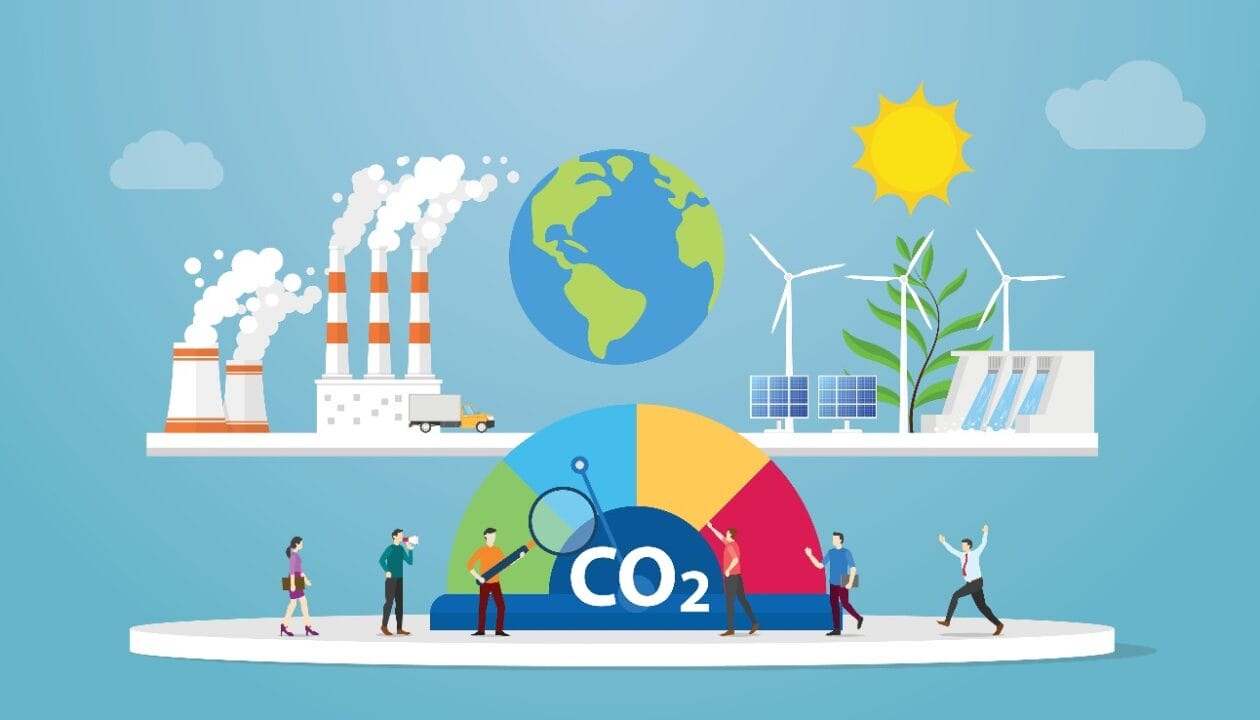
Brazil, under the imminent presidential sanction of Bill No. 412/2022, is about to experience a significant transformation in the carbon market. According to Marcelo Sarkis, Risk Superintendent at Banco BV, this legislative change aims to set limits on carbon dioxide (CO2) emissions by companies. Approved by the Federal Senate and awaiting presidential sanction, the bill promises to place Brazil at the forefront of environmental regulation. It’s not just about mitigating gas emissions, but also about discovering substantial economic opportunities.
Understanding the Carbon Market and Its Objectives
The carbon market, a mechanism designed to offset greenhouse gas (GHG) emissions, creates a system for buying and selling carbon credits. One credit is equivalent to one ton of gas. Companies that reduce their emissions below the established limit can sell the excess credits to other organizations or governments that need to meet GHG reduction targets. The first step to participating in this market is to calculate the company’s carbon footprint, followed by implementing strategies that result in credits for trading.
Strategies for Emission Reduction and Capture
To reduce or capture CO2 emissions, companies can invest in renewable energy projects, energy efficiency, reforestation, or even advanced carbon capture technologies. It is essential that credit-generating projects undergo a rigorous verification process, ensuring the authenticity and quality of carbon credits.
-
Helicopter Drops 180 Tons of Sand and Gravel on Swedish River to Revive Ecosystem Damaged by Decades of Exploitation

-
Brazilian Company Launches Retro Smartphone with 48 MP Camera, T9 Keyboard, and Privacy Features for Social Media-Free Use

-
Self-Taught Chinese Farmer Builds 5-Ton Submarine from Scrap, Launches It in Anhui River
-
Invisible Induction Technology Enables Wireless Power for Blenders, Coffee Makers, and Air Fryers, Reducing Countertop Cables





The Financial Market and the Trade of Carbon Credits
The buying and selling of carbon credits follows a process similar to that of commodity trading in the financial market. Like any financial asset, the price of carbon credits is influenced by the relationship between supply and demand. Some companies are already anticipating and voluntarily acting by purchasing credits to offset their emissions.
The Transformations of the Carbon Market in Brazil
With the approval of the bill by the Federal Senate, Brazil is moving towards more sustainable practices, even with the exclusion of agribusiness from regulation. The proposal, after an agreement with the Parliamentary Front of Agriculture, excluded agricultural production and indirect emissions from input production from the SBCE regulation. To comply with the new legislation, companies will need to reduce their emissions or acquire carbon credits. This new market, full of potential, is emerging as a driving force for a more sustainable future.
Source: Marcelo Sarkis is the Risk Superintendent (Credit, Market, Liquidity, Socio-Environmental, Integrated, and Capital) at Banco BV.





Be the first to react!