






 Portuguese
  Spanish


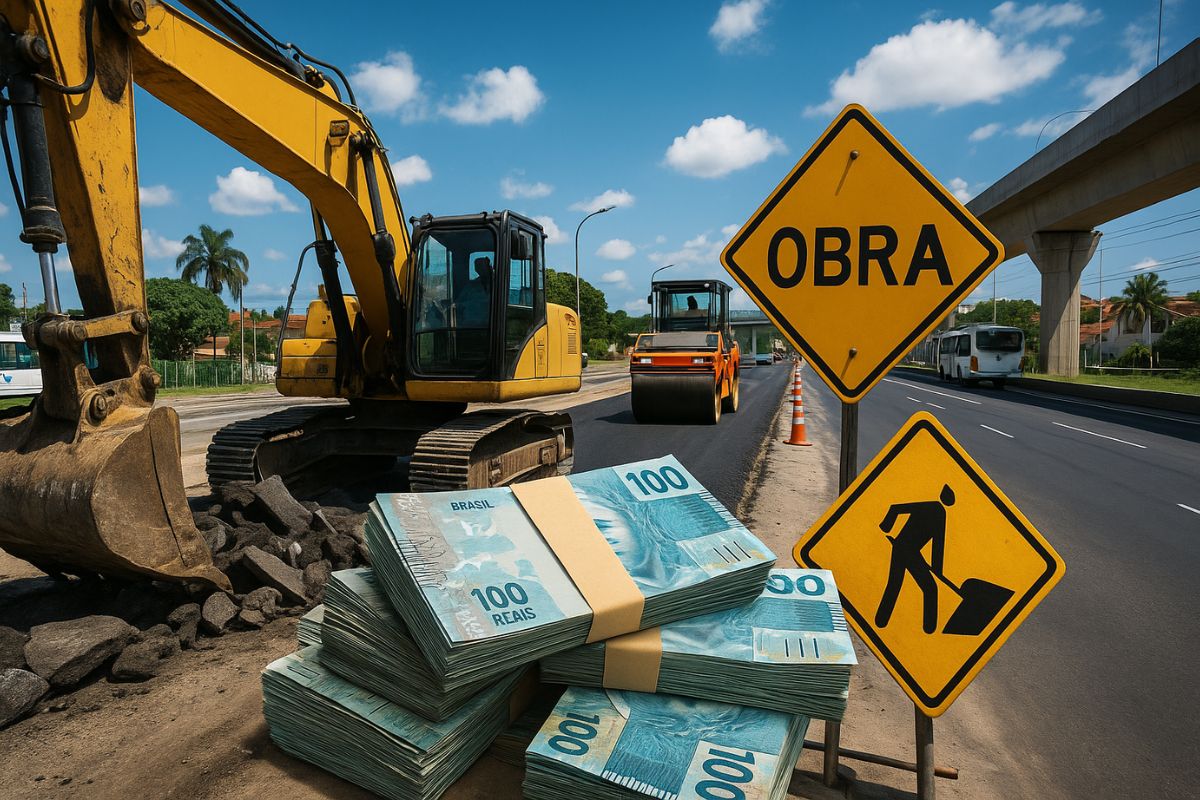


Road Concessions in Brazil Reach Highest Pace in Nearly Two Decades, with Goal of 35 Auctions by 2026, but the Shortage of Qualified Professionals Already Threatens to Delay Projects and Raise Costs, According to the Jornal de Brasília
The wave of road concessions in Brazil has put the sector at its highest level in 17 years, with 16 contracts already auctioned off between 2023 and 2025. The federal government aims to further expand this movement, targeting 35 concessions by the end of its term, according to a survey by the Jornal de Brasília.
However, the rapid advancement exposes a structural challenge: the lack of specialized labor to meet new demands. Concessionaires report difficulty in hiring technicians and engineers, which already pressures deadlines and may increase the costs of essential infrastructure projects in the country.
Recent History and Unprecedented Acceleration
According to the Jornal de Brasília, the contrast with the past is evident. Between 2015 and 2018, during the peak of the Lava Jato and fiscal crisis, there were only two auctions of federal highways.
-
Brazil’s Micro-Entrepreneur Program May See Major Changes: Income Cap Could Increase to R$ 130,000, Annual Inflation Adjustments, and Allow Hiring of an Additional Employee

-
DoorDash Founder Tony Xu, CEO of an $85 Billion App, Becomes Delivery Driver for an Hour, Completes Four Orders, Makes $19

-
Lufthansa CEO Jens Ritter Takes on Flight Attendant Role, Uncovers Overlooked Issue in Economy Class
-
7-Year-Old Estela Wins Ballet Qualifier; Family Crowdfunds for Argentina Finals in October


In the following cycle, from 2019 to 2022, this number rose to seven, but still at a modest pace.
It was from 2023 that the scenario changed completely, with seven concessions planned only for 2024, the highest mark since 2007.
This growth is not limited to the federal government.
State projects have also gained momentum, increasing competition for labor and pressuring companies to seek new hiring and retention strategies for qualified professionals.
The Impact of the Shortage of Professionals in the Sector
The Jornal de Brasília highlights that the labor bottleneck has become visible.
Road engineers, heavy machinery operators, and traffic safety technicians are among the most in-demand profiles.
Concessionaires report difficulty in filling positions, which delays schedules and may compromise the delivery of targets.
To mitigate the problem, companies have been investing in internal training programs and in technologies that reduce reliance on intensive labor.
Still, the gap between supply and demand for professionals is expected to grow, especially if the 35 planned auctions are maintained in the federal calendar.
Strategies and Risks for the Coming Years
Experts consulted by the Jornal de Brasília point out that Brazil is experiencing a “growing pain.”
The legal and economic maturity of contracts boosts investor appetite, but the limitation of the workforce threatens the efficiency of projects.
Without labor, the cost of concessions may rise, putting pressure on tariffs and the cash flow of the concessionaires themselves.
Another point of concern is the social impact.
The shortage of qualified professionals may create space for emergency hires with less technical preparation, increasing risks to quality and safety on highways.
This scenario reinforces the need for joint planning between government, concessionaires, and technical education institutions.
The advance of road concessions in Brazil represents a historic opportunity to modernize the road network and attract billions in investments.
But the labor bottleneck shows that infrastructure does not rely solely on financial capital: without qualified workers, projects may lose competitiveness and efficiency.
And you, who works or depends on the road sector, have you already felt the effects of this shortage of professionals? Do you believe that training programs can address the challenge, or will the problem worsen? Share your thoughts in the comments and help enrich this debate.







É só melhorar os salários ofertados que a escassez de profissionais começará a diminuir.
Acaba com essa DESGRAÇA de bolsa voto que aparece trabalhadores!