Portuguese
  Spanish


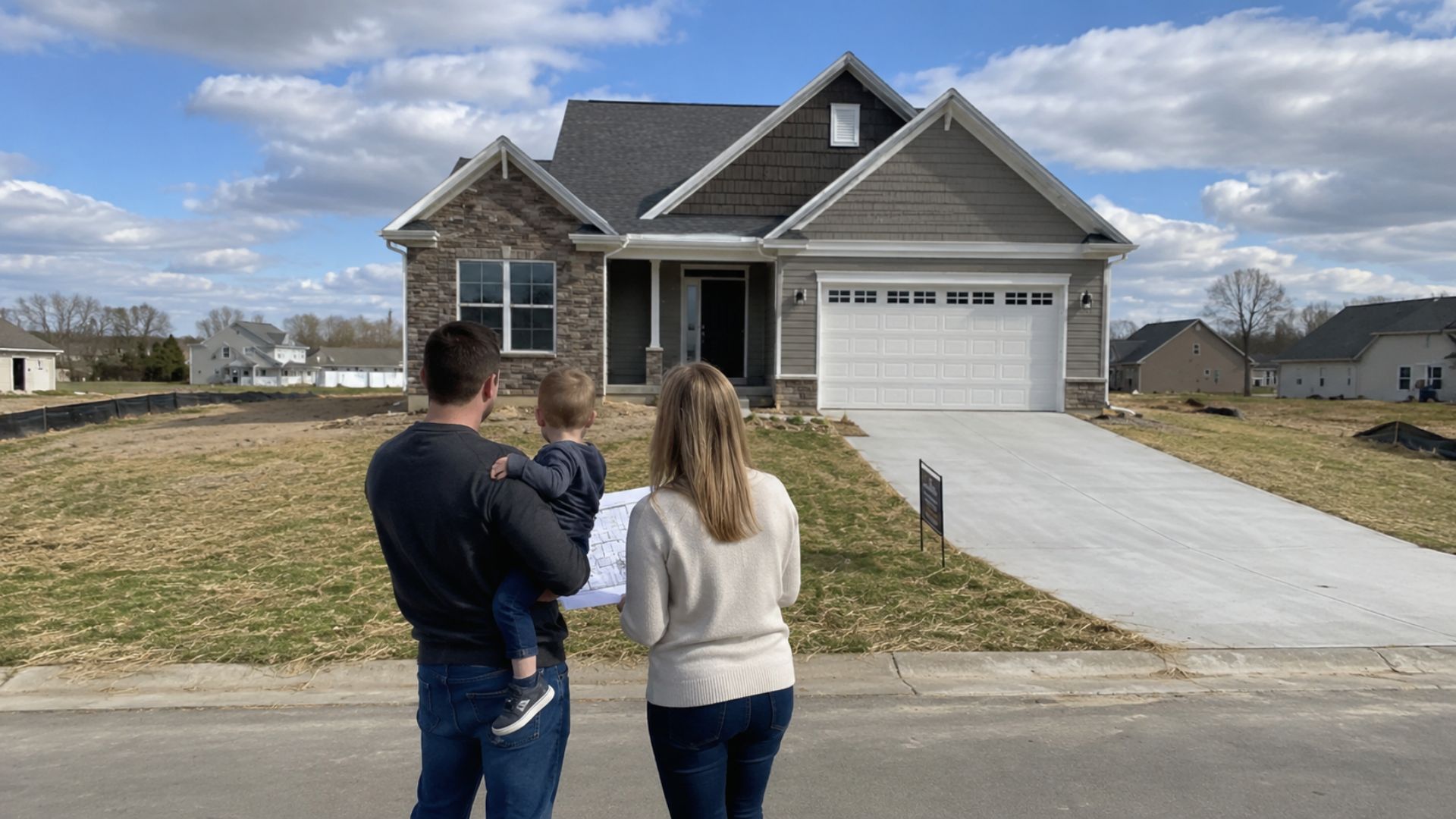

Small town in Minnesota uses housing-related financial incentive to attract construction, recover vacant properties, and expand its residential base, in an initiative that draws attention by combining a rebate of up to $20,000 with specific rules for new housing projects.
Harmony, in southeastern Minnesota, offers cash rebates from $1,500 to $20,000 to stimulate new construction and recover vacant or severely deteriorated properties within the municipality’s limits.
Conducted by the Harmony Economic Development Authority, the local EDA, the measure attempts to expand the housing supply in a community of just over 1,000 residents.
Although the amount draws attention, the benefit does not function as free payment for anyone interested in moving from a big city to Harmony.
-
Japanese Botanist’s Miyawaki Method Grows Native Forests in Small Spaces in Just Years, Not Decades

-
800-Year-Old Cliffside Temple in Greece Amazes with Secret Cave, Drawbridge, and Stunning Views

-
Japan’s “Akiya” Homes: Abandoned Properties Attract Foreign Buyers as Locals Shun Them
-
Lawyer Turned Entrepreneur Earns $60,000 Annually Selling Brazilian Cheese Bread: Athena Rodrigues Started with $400 and Founded Dona Zelda, Bringing a Taste of Minas Gerais to São Paulo’s Heart


According to the official rules, the money is directly tied to the property, requiring the applicant to build a new residence, a model home, or renovate a vacant or severely deteriorated property.
How the incentive of up to $20,000 works in Harmony
Calculated from the final taxable assessment of the constructed or renovated property, the rebate varies according to the project’s impact on the property’s value and the municipality’s housing base.
According to the city hall, the range starts at $1,500 and can reach $20,000, provided the work fits within the rules defined by the economic development authority.
With this design, Harmony uses the incentive as an urban development tool, directing resources to projects that create new housing or recover constructions without active residential function.
Instead of distributing money without a counterpart, the city conditions the payment on the progress of works capable of expanding the stock of houses and strengthening urban occupation.
This structure differentiates the program from campaigns advertised as “cities that pay you to live,” an expression that often simplifies municipal initiatives with specific requirements.
The EDA itself informs that people looking for free housing or money just to move do not fit the rules of the housing program.
Who can receive the rebate to build or renovate a property
Owners and builders who are constructing a new home in Harmony can participate, as well as buyers or owners of currently vacant or seriously deteriorated properties in the municipality.
Speculative or model homes can also qualify, as long as they are within the city, meet official requirements, and are approved before construction begins.
A relevant point of the program is the absence of restrictions by age, income, or previous place of residence, which broadens the initiative’s reach to interested parties from outside.
Still, the candidate needs to buy, build, or renovate a property located in Harmony, as the reimbursement accompanies the housing project, not the personal move.
Among the central conditions, prior approval appears as a decisive requirement for anyone interested in accessing the financial incentive offered by the city.
Projects started before EDA approval do not qualify for reimbursement, even if they meet other criteria and are within municipal limits.
Renovations accepted in the city’s housing program
When evaluating applications, the city hall separates structural renovations from routine improvements, because the program’s goal is not to finance common household works without significant housing impact.
Updates such as painting, flooring replacement, kitchen renovation, basement finishing, simple expansions, and general maintenance do not automatically qualify when they do not represent significant recovery or a new residential unit.
This rule limits the use of resources to projects capable of making homes operational, recovering abandoned properties, or consistently increasing the city’s residential supply.
In new constructions, payment usually occurs when the exterior of the house is already completed, a stage that demonstrates concrete progress before the release of funds.
The verification includes items such as roofing, siding, windows, and doors, elements considered essential to confirm that the work has moved past an initial phase.
For eligible renovations, the release depends on the final evaluation made after the property’s recovery, precisely to measure the real effect of the intervention on the property.
Additionally, the reimbursement must be requested within 12 months after approval, and participants must keep taxes, utilities, and zoning regulations up to date.
Minnesota city tries to expand housing in the interior of the United States
Located in Fillmore County, Harmony is in a rural region of southeastern Minnesota and maintains the typical scale of small communities in the interior of the United States.
Data from Census Reporter, a database built from United States Census information, indicates an estimated population of 1,024 residents for the city in the ACS 2024 five-year survey.
On the economic development page, the city itself describes Harmony as a small community, with a population close to 1,043 inhabitants, access to fiber optics, and local incentive programs.
In this environment, the housing program addresses a common challenge in small towns: attracting residents, renewing the housing stock, and facilitating access to properties in good condition.
The EDA states that the initiative seeks to encourage new constructions and major renovations within the city, with applications reviewed on a first-come, first-served basis.
The program remains open as long as resources are available or until a municipal decision determines its closure, according to the conditions established by the local authority.
Why the incentive for new residents draws attention outside of Minnesota
The cap of $20,000 helps explain the case’s impact, especially in a real estate market pressured by construction and financing costs in various regions of the United States.
For those planning to build or renovate a house, a reimbursement of this size can reduce part of the initial investment, although the benefit depends on compliance with the rules.
The requirement demanded by the city is concrete: present a project, follow local regulations, obtain approval before starting the works, and complete verifiable stages before receiving the money.
Local reports published after the program’s expansion stated that the $20,000 limit now applies to properties with higher taxable value.
These publications also pointed out that the initiative originated from a previous program, created in 2014, when the reimbursement cap offered by the city was lower.
The municipal logic combines housing and economic development, as new residential units can increase housing availability, strengthen future revenue, and better utilize existing infrastructure.
From an outside perspective, the incentive may seem like a chance for a fresh start in the American interior, especially for those seeking a routine away from large urban centers.
For Harmony, however, the program functions as a local housing policy, focusing on transforming private investment into urban occupation, real estate renewal, and utilization of properties that might otherwise remain vacant.