





 Portuguese
  English
  Spanish
  3 min of reading
  0 comments


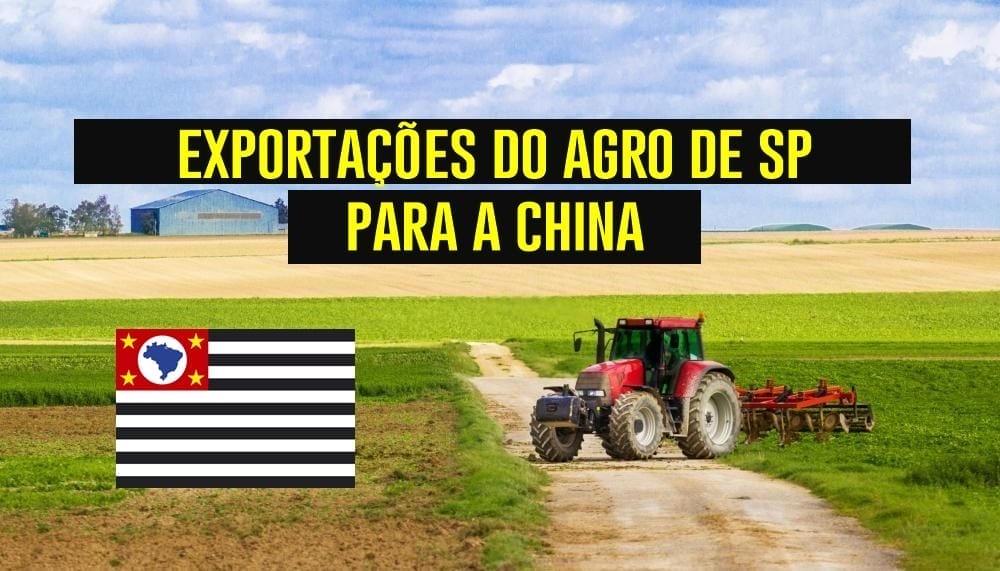
The Agriculture Sector in São Paulo Reported Exports of US$ 4.5 Billion to China, Which Remains the Main Market
The agriculture sector in São Paulo has achieved significant results in the international market, with China standing out as the main destination for São Paulo’s exports. Between January and September of this year, exports from São Paulo to the Asian giant totaled an impressive US$ 4.58 billion, representing 20.2% of the total exported by the sector.
The European Union and the United States occupy the second and third positions, respectively, with significant values.
The European Union totaled US$ 2.84 billion in exports (12.5% share), while the United States accounted for US$ 2.36 billion, representing 10.4% of the total, both with growth of over 14% compared to the previous year.
-
Veto on Brazilian meat opens crisis in the Mercosur-European Union agreement, exposes billion-dollar sanitary dispute, and shows who really has more power at the trade table

-
European Union bans Brazilian meat, threatens $1.8 billion in exports and raises alert about prices in the country’s supermarkets
-
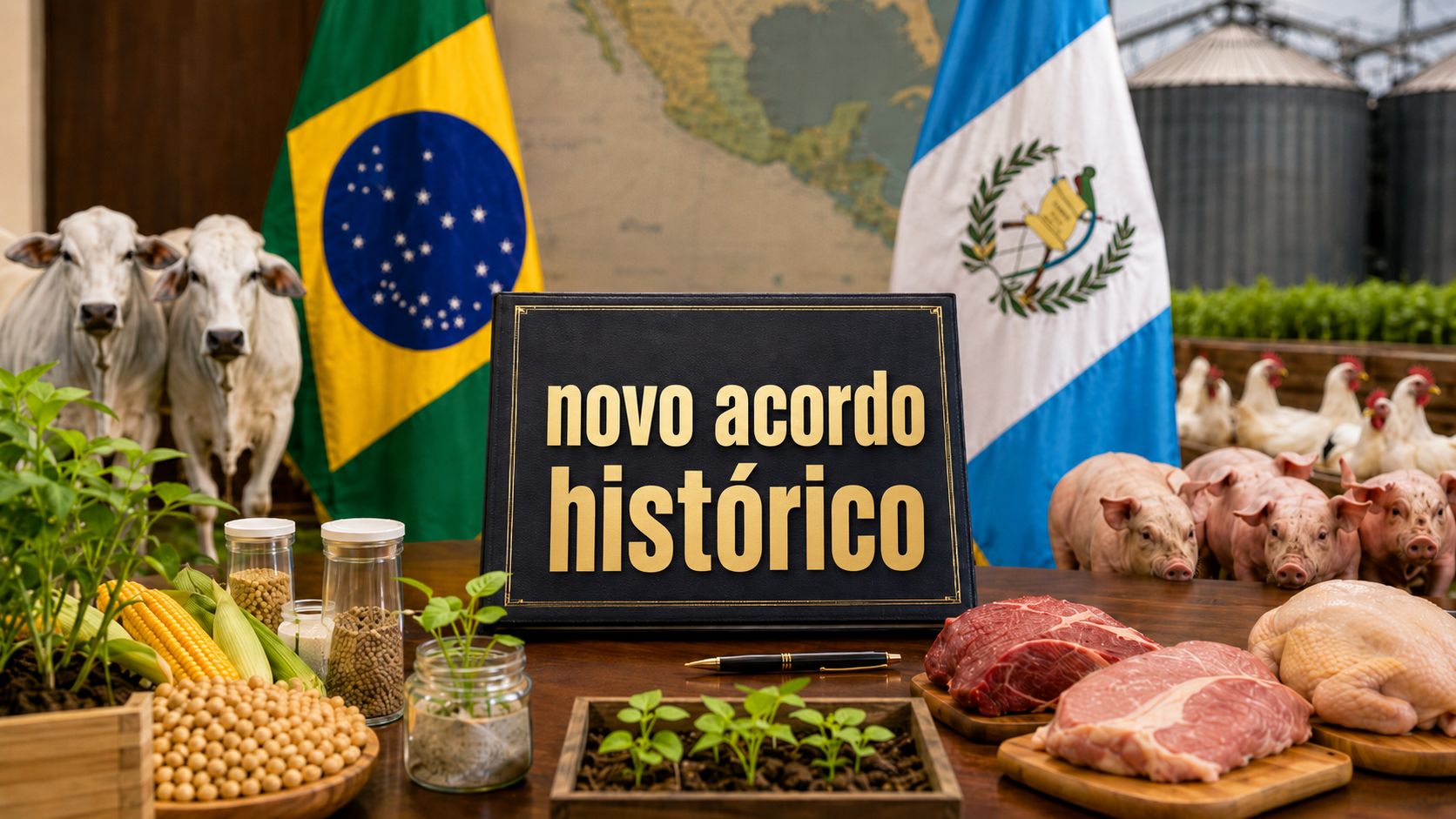
Brazil enters Central America with strength, signs an agreement with Guatemala after 50 years of cooperation, and aims for more space for agriculture, livestock, beef, poultry, pork, bio-inputs, and animal genetics.
-
Consumers eat six times more chicken than in the 1960s, global meat supply quadruples in 60 years, and FAO report reveals the invisible cost on the plate: livestock could drive 80% of the increase in agricultural emissions over the next decade.



In addition to these three major markets, other relevant destinations for the São Paulo agriculture sector include Indonesia, with 3.9% of exports, and the United Arab Emirates, with 3.8%. India closely follows with 3.7%, and countries like Bangladesh and Saudi Arabia appear with 2.2% share each. Algeria and Egypt round out the list of top destinations with 2.1% of exports each.
Agriculture Sector in São Paulo in the Brazilian Market
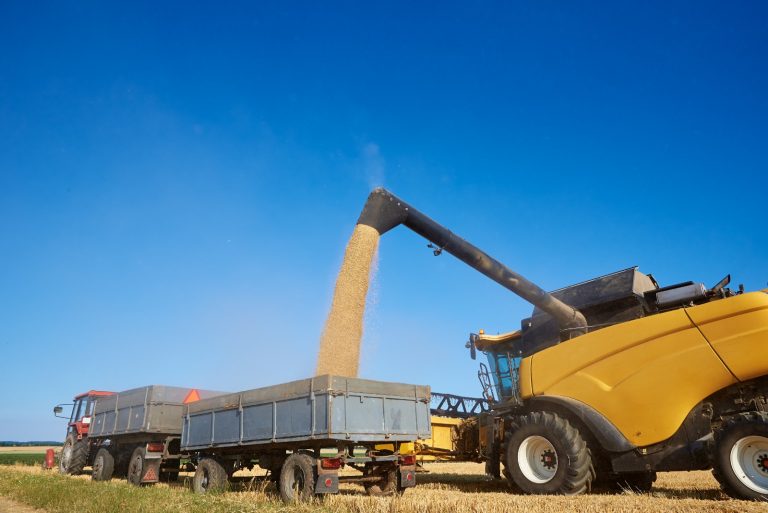
São Paulo has been a significant highlight in the national scenario of exports of the agriculture sector, representing 18% of the total in Brazil. This percentage reflects a growth of 1.3% compared to the same period in 2023. Mato Grosso, Paraná, Minas Gerais, Rio Grande do Sul, and Goiás are the states that follow São Paulo in terms of exported values, with significant shares but still below São Paulo’s strength.
This performance reaffirms the strategic importance of the state as one of the main pillars of Brazil’s agricultural economy, contributing significantly to the international trade of the sector.
Products Imported by São Paulo
In addition to exports, São Paulo also stands out in imports, with the main products imported by the state being salmon, with US$ 343.08 million in purchases, followed by paper (US$ 300.92 million), wheat (US$ 248.71 million), and cotton textile products, with US$ 165.57 million. Other important products include powdered milk (US$ 160.82 million), pet food (US$ 158.37 million), other types of fish (US$ 144.33 million), and rice, with US$ 139.86 million.
Brazil and Latin America in Trade with China
China has established itself not only as São Paulo’s main partner but also as a driving force in exports throughout Latin America. Last year, the exchange of goods between the region and China exceeded US$ 480 billion, according to data from the General Administration of Customs of the People’s Republic of China. Trade between Latin America and China has grown exponentially since the beginning of this century, with a 35-fold increase in the value of goods exchanged.
This robust growth has made China the second-largest trading partner of Latin America, surpassing the European Union. However, trade results vary among countries in the region, with some showing a surplus and others a deficit.
São Paulo’s performance in the agriculture sector reflects the strengthening of trade ties with China, contributing not only to the local economy but also to Brazil’s rise as a strategic player in global trade. This dynamic reinforces the crucial role that São Paulo plays in the international economic scenario.






Be the first to react!