Portuguese
  Spanish


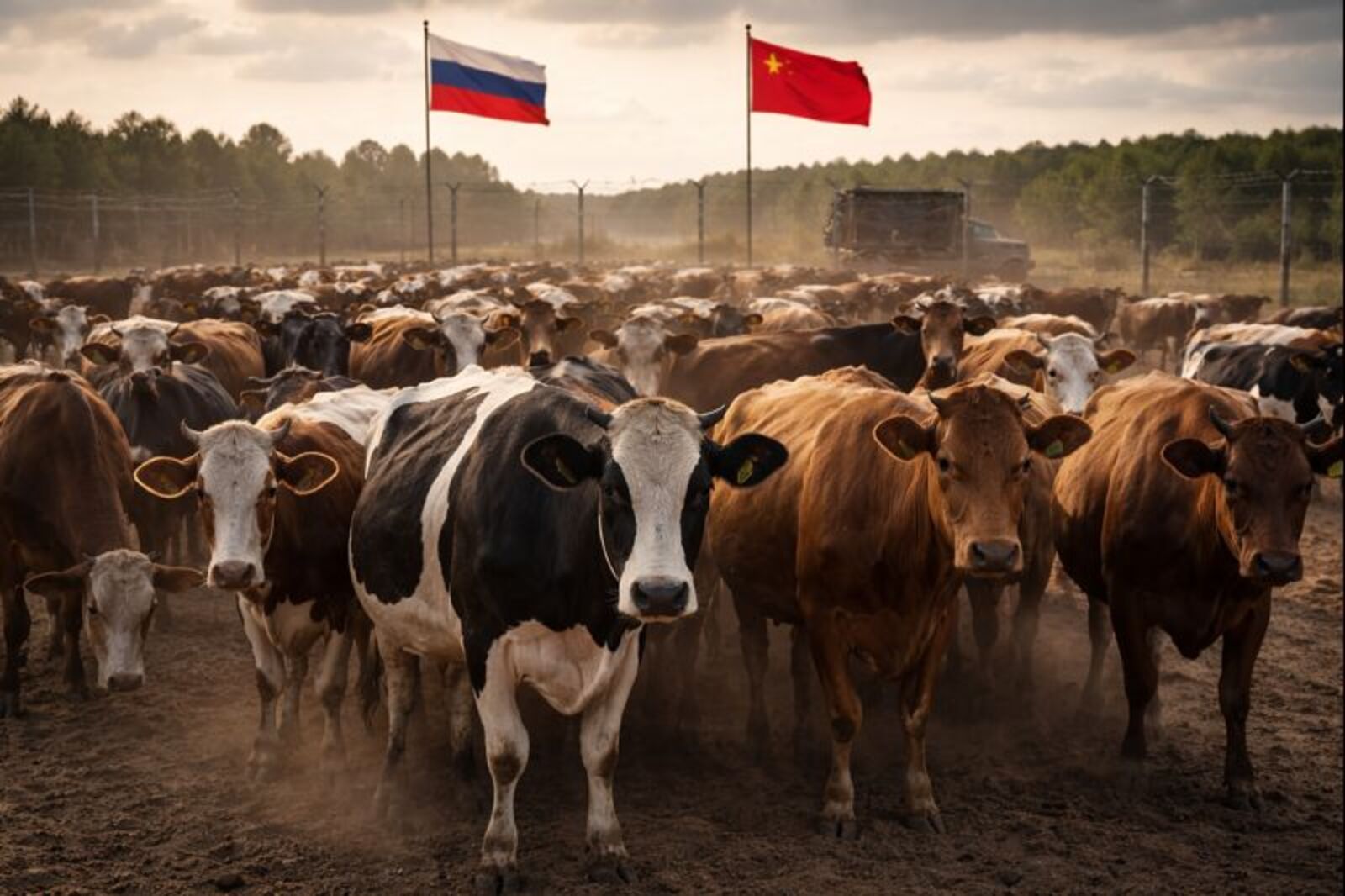

Culling of more than 90 thousand cattle in Russia, suspicions of foot-and-mouth disease and alert from China elevate tension in the international meat market
The crisis in Russia’s cattle industry has gained weight after the culling of more than 90 thousand animals in at least nine regions since February, containment measures, and a confirmed outbreak of foot-and-mouth disease by China at the Russian border.
Mass culling generates suspicion
Since February, more than 90 thousand heads of cattle have been culled in at least nine Russian regions. The largest concentration occurred in Altai, Siberia, and the response raised doubts about the severity of the problem.
Russian authorities say that the cases are linked to pasteurellosis, a mild bacterial infection.
-
Bangladeshi Farmers Use Bamboo Levers to Pump Thousands of Liters of Water Daily Without Engines or Electricity

-
Brazilian Forests Could Expand by an Area Twice the Size of Switzerland by 2035, but Agricultural Sector Holds the Key, Study Finds

-
Brazilian Student Develops Solar-Powered Agricultural Machine Capable of Processing 250 Kilograms per Hour

-
Brazilian Farmer’s Viral Video on Onion Prices Opens New Income Opportunities Online



Still, the large-scale culling drew attention because the disease is usually treatable with antibiotics and does not require the total elimination of herds.
In addition to the sacrifice of animals, there were blockades of villages, movement restrictions, and information control.
For independent experts, these measures resemble protocols used in contagious outbreaks, such as those of foot-and-mouth disease.
The difference between the official version and the actions taken has increased suspicion among veterinarians, journalists, and rural producers.
Outbreak in China expands alert
The crisis gained dimension when China confirmed an outbreak of foot-and-mouth disease in Xinjiang, a region in the northwest of the country that borders Russia, Mongolia, and Kazakhstan.
According to the Chinese Ministry of Agriculture, 219 cattle tested positive for a variant of the virus in two herds totaling more than 6,200 animals. Authorities classified the strain as contagious.
The Chinese government reported that the variant may be resistant to the vaccines available in the country. Additionally, it indicated that the origin of the infection may have come from abroad.
In response, China mandated the sanitary culling of infected animals, disinfection of affected areas, and increased border control, including combating the illegal transport of cattle.
External pressure grows on Moscow
The diplomatic service of the United States Department of Agriculture stated that the scale of the culling and trade measures adopted by neighboring countries may indicate an unconfirmed outbreak of foot-and-mouth disease in Russia.
Among these reactions is Kazakhstan’s ban on Russian meat. The move increased pressure on Moscow and reinforced suspicions about the health crisis.
Russian authorities reject this hypothesis and maintain the version that the cases are related to rabies, pasteurellosis, and other unspecified infections.
In 2025, the World Organization for Animal Health recognized Russia as a foot-and-mouth disease-free country. This sanitary status is essential to maintain access to international markets.
The loss of this certification could have severe impacts on meat and cattle exports, directly affecting the Russian agricultural economy.
Producers react and demand explanations
Russian rural producers have increased political pressure. Farmers from at least five regions traveled to Moscow to ask Vladimir Putin to suspend mass slaughter and investigate the decisions of local authorities.
The losses are significant. Estimates indicate a direct loss of 1.59 billion rubles, about $19.5 million, in addition to additional damages exceeding $4.5 million.
The All-Russian Agrarian Council submitted a petition with over 31,000 signatures requesting the suspension of slaughters, compensation for producers, and an investigation into possible failures in crisis management.
Field reports have increased tension. Farmers claim that apparently healthy animals were slaughtered without laboratory tests, reinforcing the perception of inconsistent protocols and little transparency.
Government reorganizes veterinary sector
Putin signed a decree that reorganizes the production of veterinary vaccines in the country. The measure creates the Russian Biological Industry Company from the merger of state-owned enterprises.
The official justification is to ensure technological independence and strengthen veterinary medicine. At the same time, the decision is seen as an indirect response to the sanitary pressures faced by Russia.
The episode shows how diseases in livestock affect international protein trade, with risks of embargoes, financial losses, and instability in global prices.
The combination of mass slaughter, sanitary suspicions, international reaction, and confirmed outbreaks of foot-and-mouth disease in China has turned the case into one of the recent alerts for global livestock.
For Brazil, it reinforces the importance of maintaining strict sanitary protocols, traceability, and transparency.
With information from Compre Rural.