






 Portuguese
  Spanish


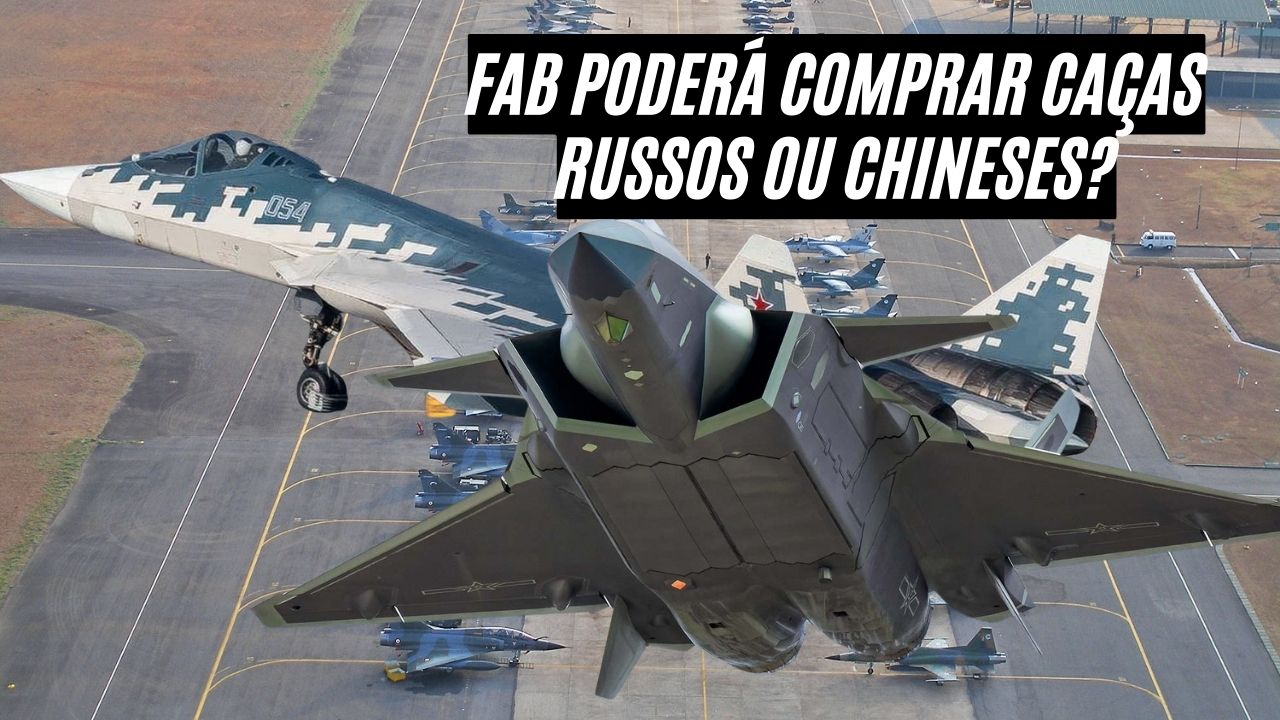


The FAB is in the midst of a detailed analysis of its future air armament, which has generated various speculations about a possible purchase of Russian and Chinese fighter jets. In a context of delays in the Gripen program, in partnership with Sweden, the search for more economically viable alternatives has become increasingly urgent. In light of this need, the CPG heard from Edmundo Ubiratan, an expert from Aero Magazine, who shared a comprehensive view of the challenges and implications of a possible acquisition of Russian and Chinese fighter jets for Brazil.
In recent years, the FAB has faced difficulties in the project to acquire Swedish Gripen fighter jets. The global health crisis and the lack of targeted investments from the Brazilian government delayed deliveries, pressuring the FAB to seek temporary solutions or even new alliances. One alternative under discussion is the purchase of second-hand fighter jets, such as the F-16, which would require a smaller investment and address the temporary needs of the Air Force. However, the idea of expanding the range of options to include Russian and Chinese fighter jets raises complex geopolitical questions and significant technical challenges.
FAB: What Experts Say About Russian and Chinese Fighter Jets?
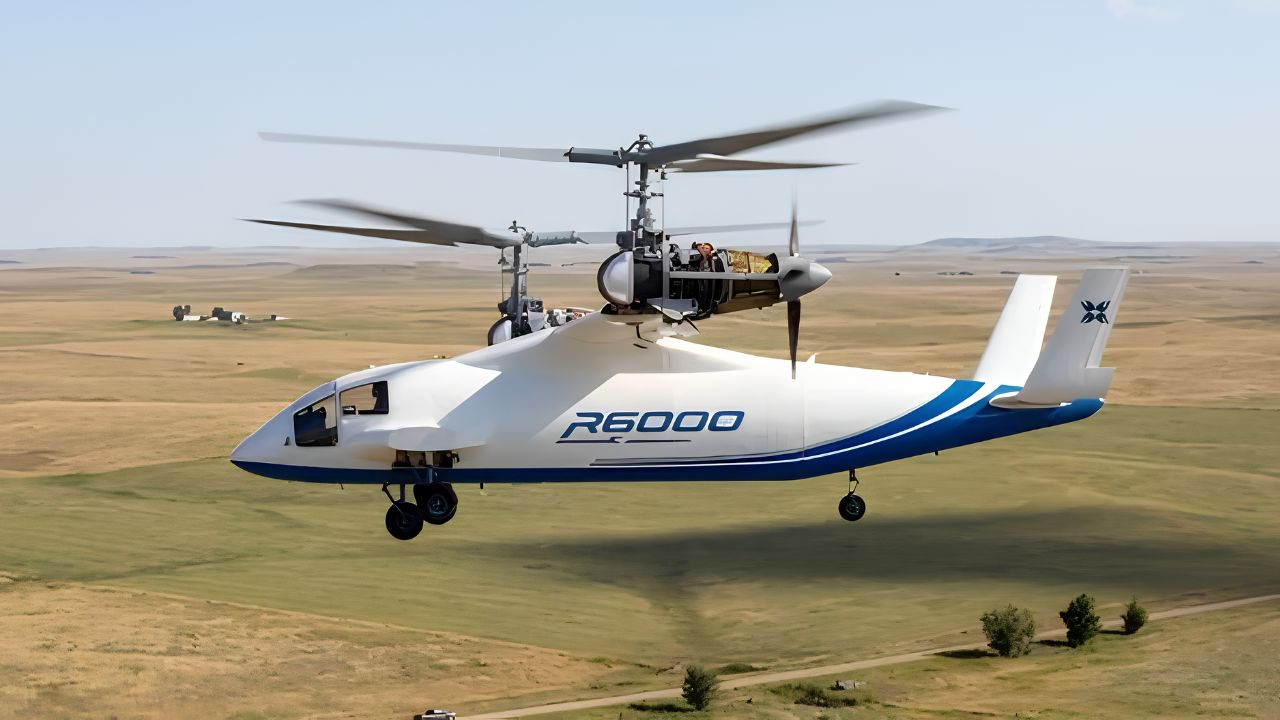
The choice of Russian or Chinese fighter jets would imply a series of adaptations and, according to Edmundo Ubiratan, would require a complete restructuring of the FAB’s infrastructure. Currently, the data and communication systems of the FAB are aligned with Western standards, and incorporating aircraft of Russian or Chinese origin would necessitate a total redesign of the infrastructure, both in maintenance and armament. Moreover, the after-sales history and technical support from Russia in relation to Brazil have not been very favorable, as seen in the experience with Russian helicopters.
Geopolitics and Possible Barriers
For experts like Edmundo Ubiratan, global geopolitics is one of the biggest challenges of a potential purchase of Russian or Chinese fighter jets by the FAB. Brazil’s alignment with Western powers, such as the United States and Europe, limits the possibility of such acquisitions, especially considering the embargoes and blockades that could occur.
-
European Parliament Approves Digital Euro, Aiming to Challenge Visa and Mastercard’s Dominance and Transform Payments Across Europe by 2029

-
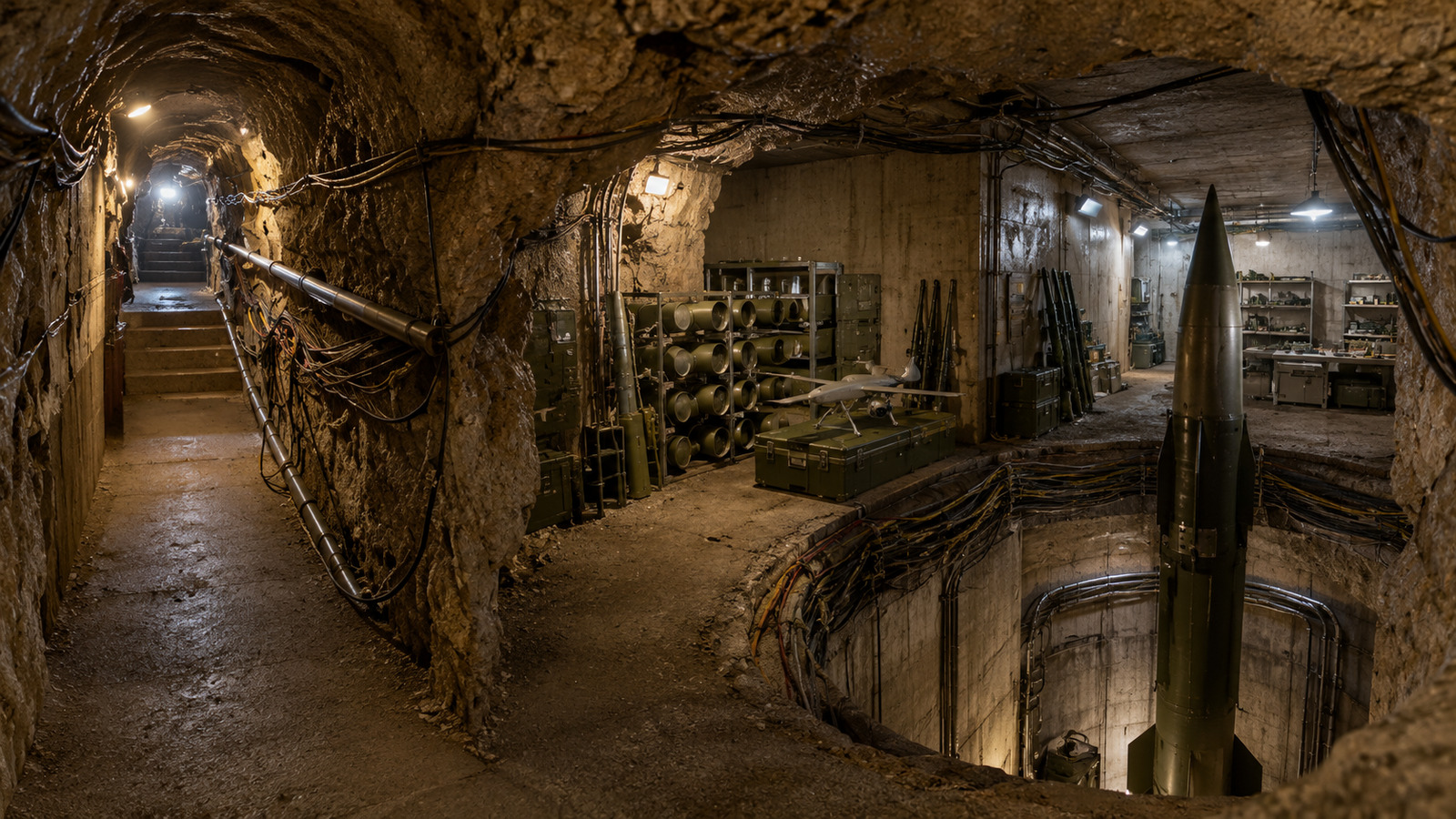
Israel finds Hezbollah militarized tunnel over 200 meters long under village, with 4 missile launch shafts, 12 chambers, anti-tank missiles, drones, and weapons depots at a depth of 25 meters.

-
Ukraine launches largest drone attack on Moscow since 2022, Russia claims to have intercepted nearly 200 aircraft near the capital, Kapotnya refinery targeted again, and offensive reignites alert about war reaching the Russian energy heart just a few kilometers from the Kremlin.

-
Truck drivers, freight, and fines from 2022 take center stage in politics: Chamber approves MP with amnesty, mandatory tracking by CIOT, million-dollar penalties, and new minimum wage for those who spend more than 24 hours on the road.



The purchase of Russian fighter jets, such as the Su-57, would raise concerns for Russia in a potential scenario of military exercises in partnership with NATO forces, where the Russians would not want to see their equipment analyzed by geopolitical rivals.
Why China Would Likely Not Export Fighter Jets to Brazil?
Although China has developed modern combat aircraft, such as the J-20, the Chinese government has never expressed interest in exporting this equipment to countries outside its sphere of influence. China’s centralizing stance regarding its defense technology makes it unlikely that the country would be willing to share operational details of its equipment. Ubiratan emphasizes that China has developed a stance of technological restriction, prioritizing internal development and avoiding compromising its security.
Economic and Social Consequences for Brazil
A restructuring of Brazilian defense based on Russian and Chinese fighter jets could significantly impact strategic sectors, such as Embraer. Brazil could face sanctions and embargoes on essential components and technologies coming from European countries, the United States, and Asian partners, which would directly impact Embraer’s production and the national economy. This would limit Brazil’s access to cutting-edge defense technologies and jeopardize alliances and trade agreements established for decades.
More Cons Than Pros
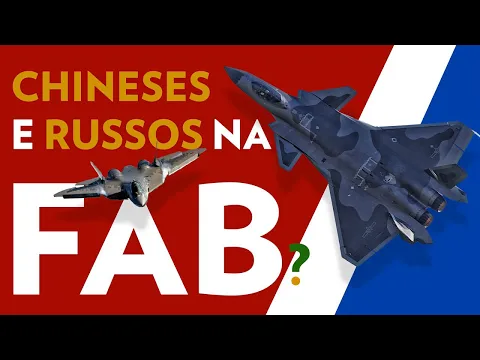

The possibility of the FAB purchasing Russian and Chinese fighter jets presents more cons than pros, according to analysis from experts like Edmundo Ubiratan. In a scenario of complex alliances and economic interdependencies, Brazil faces significant barriers if it chooses to seek alternatives outside the Western axis.
More than just a budgetary issue, the choice of Russian or Chinese fighter jets would involve a complete reevaluation of defense policies, along with profound diplomatic repercussions. Therefore, the FAB’s decision involves not only the choice between different aircraft but also the geopolitical path that Brazil wishes to follow in an increasingly polarized world.





Quando vejo os F35 sem comparação.
Acredito que caças suecos Gripen c/d usados seriam a solução ideal. A logistica praticamente estruturada no Brasil.
Compra o Hal Tejas Mk2 com o míssil Astra Mk2. Faz uma compra com transferência de tecnologia e problema resolvido