Portuguese
  Spanish


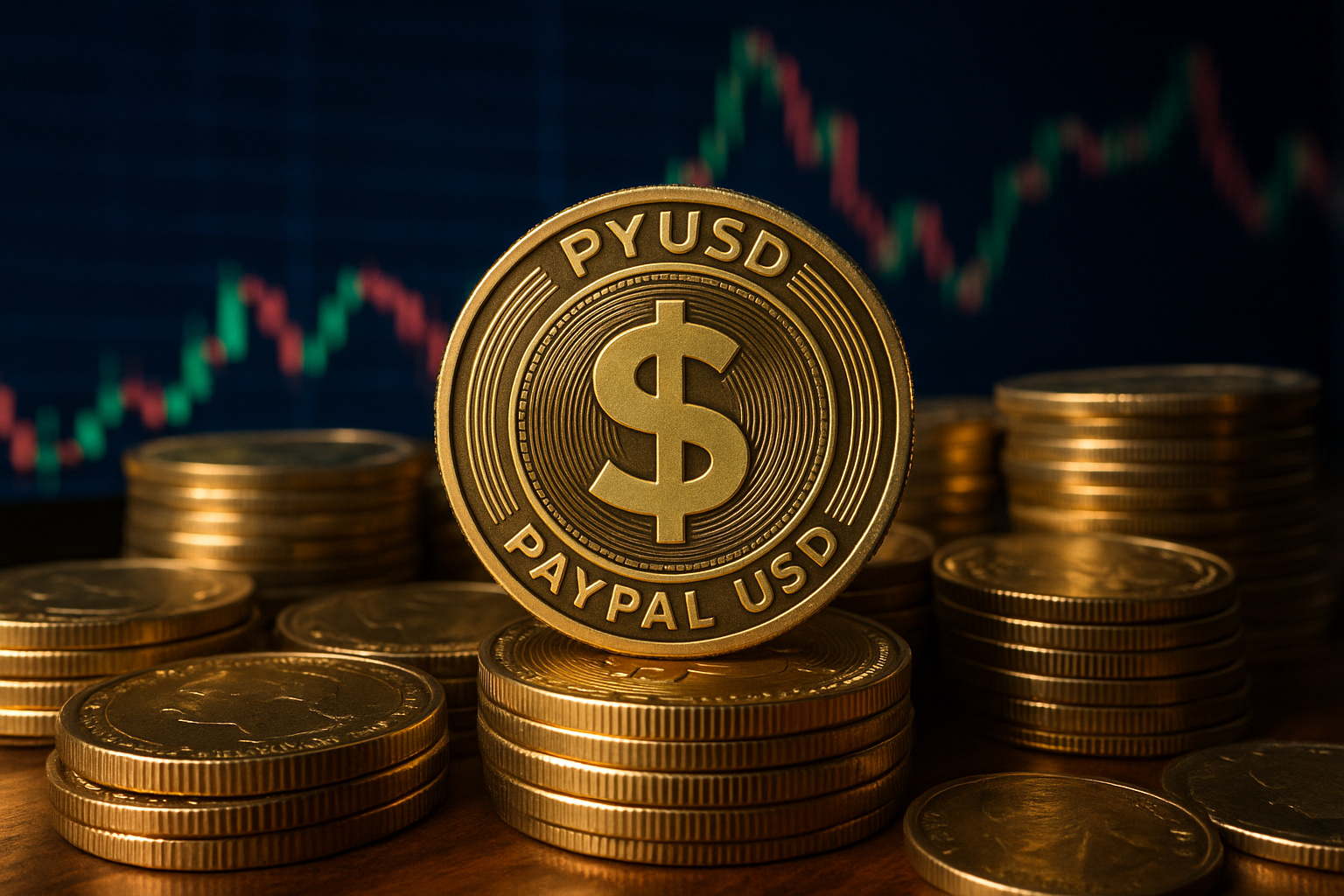


System Error at Paxos Causes Digital Dollar PYUSD to Register Issue Greater Than World GDP and Intrigues the Cryptocurrency Market
On the afternoon of October 15, 2025, blockchain monitoring platforms detected an abnormal movement. Approximately US$ 300 trillion in units of the stablecoin PYUSD, from PayPal and managed by Paxos, suddenly appeared on the Ethereum network. The figure, greater than the entire global GDP, provoked shock and uncertainty among investors and analysts. Quickly, the news spread and raised a global alert about the security of cryptocurrencies.
For a moment, the digital asset market seemed to be worth more than the entire global economy. The volume exceeded the estimated Gross Domestic Product (GDP) of US$ 130 trillion, according to the International Monetary Fund (IMF). In addition, it surpassed global public and private debt, valued at US$ 250 trillion. Soon after, Paxos reacted and reversed the error to avoid severe economic consequences.
Paxos Quickly Responds and Confirms the Cause of the Error
Minutes after the alert, blockchain tracking platforms reported that all US$ 300 trillion were eliminated from the network. The technical term used was “burn,” which indicates the permanent removal of the improperly created tokens. Immediately after the incident, Paxos issued an official statement acknowledging the operational failure.
According to the company, the incident occurred during a test transfer operation. In the announcement, the company stated: “We identified the error and removed the excess PYUSD within minutes.” Paxos emphasized that no customers were affected and that all accounts remain secure.
As a result, the company managed to restore trust quickly. The episode highlighted the importance of constant monitoring and human intervention within automated systems, especially in high-precision financial operations.
ARTICLE CONTINUES BELOWSee also
Ancient Stone City in the Desert, Once Home to 30,000, Puzzles Scientists with Nabateans’ Water Mastery 2,000 Years Ago

Ancient Creature Thought Extinct Since Dinosaur Era Reappears, Baffling Scientists

India Deploys Giant Fabric Tubes Filled with Sand to Combat Coastal Erosion and Rebuild Disappearing Beaches

China Unveils Most Human-Like Humanoid Robot for Public Sale, Featuring Silicone Skin and 88 Joints, Priced from $17,600




Understand the Functioning and Risks of Stablecoins
Stablecoins function as cryptocurrencies with stable value, linked to real assets, such as the dollar, gold, or agricultural commodities. Each unit represents US$ 1, which reduces fluctuations and guarantees predictability in digital transactions.
However, the creation of 300 trillion tokens would mean US$ 300 trillion in reserves, a value that no institution could sustain. If this issuance had reached the market, the system would have faced the so-called “depeg,” when the parity between the token and the dollar completely breaks.
Fortunately, the reversal occurred immediately, and the PYUSD maintained its stable value of US$ 1. Independent audits from the Ethereum Foundation confirmed the integrity of the network and the security of the stablecoin after the incident. As a result, the market returned to normal and prices stabilized quickly.
Reactions and Preventive Measures in the Sector
Despite lasting only a few minutes, the error generated significant global repercussions. Blockchain experts classified the case as an important reminder of the need for constant oversight and total transparency.
Paxos, supervised by the New York State Department of Financial Services (NYDFS), promised to reinforce its internal protocols and adopt additional audits. The company also stated that it will create new layers of automatic verification to prevent similar incidents.
Meanwhile, industry analysts said the case served as a turning point. The episode showed how excessive automation can create vulnerabilities and how human supervision remains essential. Additionally, international financial bodies, such as the IMF, reinforced the debate about global regulation of digital currencies, seeking greater stability and security for investors.