






 Portuguese
  Spanish


The abandoned Buckhorn Ranch in southern Nevada had 110 acres, a restaurant, store, apartments, houses, butcher shop, barns, pastures, and fields overgrown with weeds until a family began a heavy reconstruction with cleaning, plumbing repairs, irrigation, land leveling, garden, and properties prepared for rent.
The abandoned Buckhorn Ranch in southern Nevada, United States, was purchased by a family who decided to restore a 110-acre rural property with over a century of history. The transformation began after the family found a restaurant, store, apartments, houses, butcher shop, barns, and fields in a state of abandonment.
The information is based on a video published on the Buckhorn Ranch channel on June 28, 2026. According to the report, the family went back six months in time to show how the reconstruction began, from the removal of trash and weeds to leaks, irrigation, garden, and rental properties.
Abandoned ranch had the structure of a small village
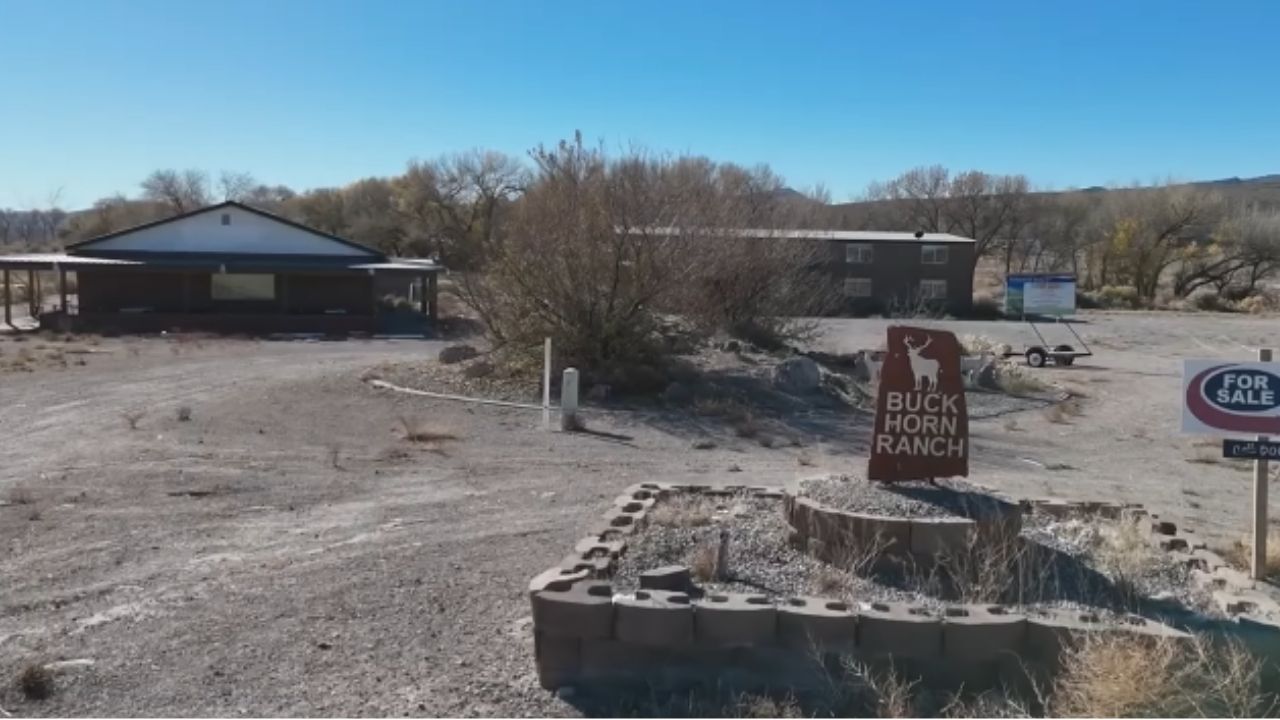
The Buckhorn Ranch caught the family’s attention because it was not just an empty rural area. The property had its own restaurant, a large block building used as a store, four apartments, three houses, a butcher shop, large barns for projects and storage, as well as a river crossing the land.
-
A woman bought a century-old house from 1926 without a large renovation budget, tore out the carpet, began restoring old details with thrift store pieces, Marketplace, and free materials, and showed that restoring the charm of a century-old property can cost much less than a traditional renovation.

-
Developed over nearly two decades in a laboratory, the “living” concrete with bacteria that produce limestone and self-heal their own cracks has already been applied in areas of Schiphol Airport and a 12,000 m² parking lot in the Netherlands.

-
It seems too narrow to stand, but this 229-meter building houses 54 floors on a 12-meter base and controls the sway with water tanks.

-
Building inaugurated in 2017 in Shanghai concealed tracks and motors at the top of the facade to move three golden curtains that completely change its appearance during the day.


This set made the family see potential to transform the abandoned ranch into a rural family complex. The idea was not just to live on the site, but to rebuild a base with housing, work, production, leisure, and income within the same property.
Purchase began with a message in the family group
According to the transcript, the opportunity arose when the ranch advertisement was sent to a family group. Even before the phone was put aside, the father-in-law responded that he would agree to join in the purchase of the property together.
The quick response shows how the project was born from a family decision, but the reality found on-site required much more than enthusiasm. The abandoned ranch had potential, but it also carried years of neglect, dirt, weeds, old structures, and hidden problems in almost every corner.
First task was to remove tons of trash
The bunkhouse, described as one of the parts most ready to receive residents, still needed a lot of work. The space had an unusual setup, with bunk beds, two bathrooms, and two showers, because it was thought of as a kind of camp for troubled youth.
Before any larger plan, the family needed to clean up. Several trailer loads were used to remove trash, debris, and accumulated materials. The recovery of the abandoned ranch began with the less glamorous work: emptying, washing, organizing, and making the spaces minimally functional.
Weeds covered practically the entire property
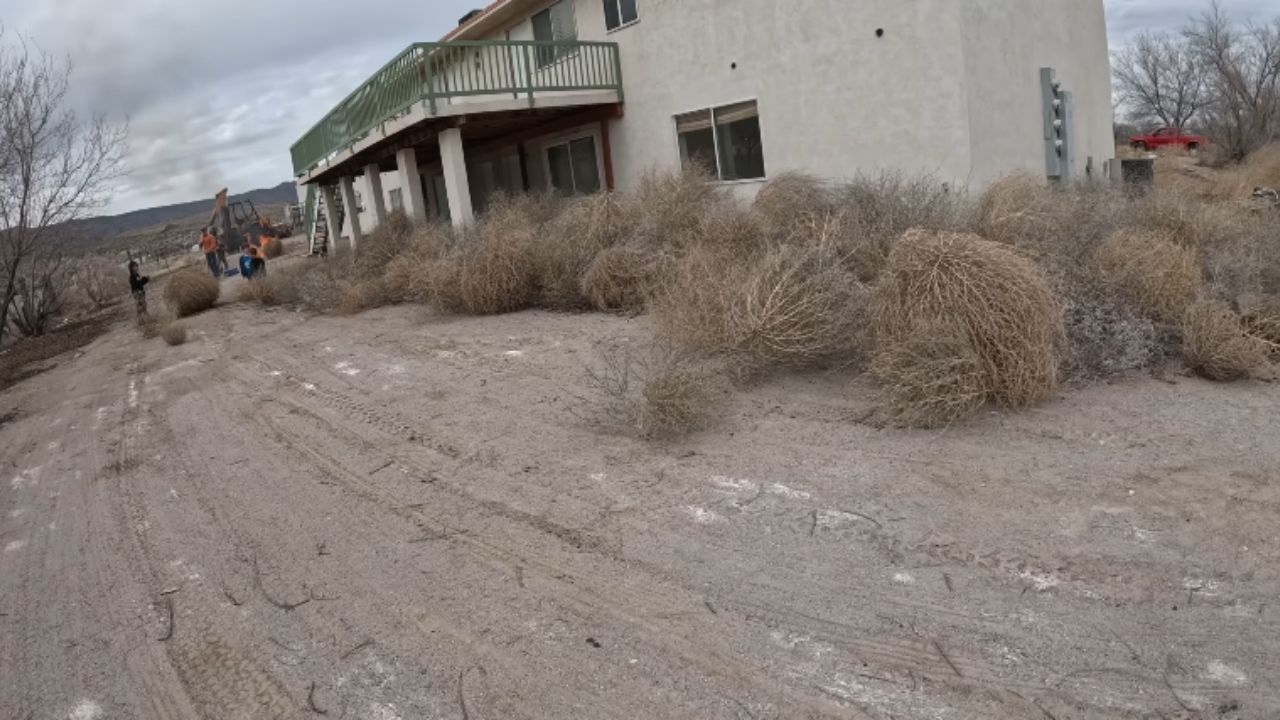
After the initial move, came the battle against the weeds. According to the account, every piece of the property seemed covered by weeds, dry bushes, and accumulated vegetation. The family started with the areas near the restaurant and the store building.
The work continued with piles and more piles of removed weeds. On some days, three or four burns were conducted to reduce the volume. The visual difference appeared quickly, as the cleanup opened up space, revealed paths, and allowed the real size of the project to be seen.
Leaks became a daily problem at the ranch
One of the biggest challenges was the plumbing network. The family faced constant leaks, including a spot that repeatedly burst and flooded an entire apartment. Finding suitable parts was difficult because the ranch was far from suppliers and had old piping.
At another time, a main line was broken, leaving the entire ranch without water. The family also encountered old steel piping, which complicated the repair and required digging until they located a PVC section. The reconstruction of the abandoned ranch relied on improvisation, patience, and quick solutions to keep everything running.
Fields needed to be prepared before irrigation
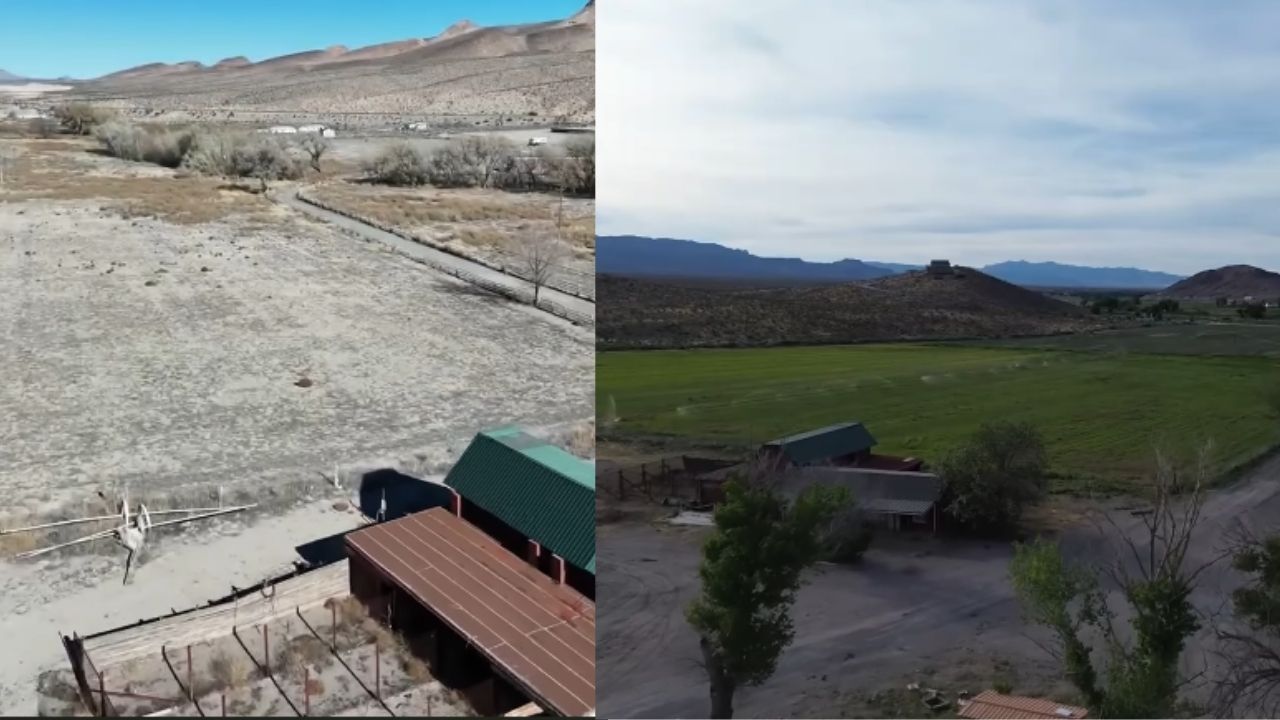
The move took place in January, at the height of the local winter, which gave time to prepare the fields before the growing season. The family needed to clear fallen trees along the riverbank, remove logs, and open up areas that were occupying useful cultivation space.
For about a month, the work involved cutting, loading, and removing wood in several trailer trips. In many places, branches and dead trees threatened usage areas and even power lines. Before planting anything, it was necessary to recover the physical structure of the property.
Soil was leveled with old equipment
The ranch did not come with much equipment in good condition, so the family worked with what they had. First, the fields were plowed to create a sort of blank canvas and allow for terrain assessment.
Then, an old leveler helped correct irregularities and prepare the soil. Despite its simple appearance, the equipment was described as useful for getting the fields ready. This step was crucial to transform areas overgrown with weeds into pastures and productive fields.
Seeds were planted before water was guaranteed
The family spread seeds in the fields even without being sure how they would make the irrigation work. The account shows that the decision created pressure: the seed was already in the ground, but it was still necessary to confirm if the well, pump, sprinklers, and irrigation ditches could operate.
Luck and experience helped. Grandpa Dave, described as someone who worked with agriculture throughout his life, helped get the system running. The recovery of the abandoned ranch involved a practical gamble: plant first and rush to get the water flowing afterward.
Irrigation system was abandoned
Part of the property depended on a well and pump; another part received water through an irrigation ditch. In theory, it was enough to open valves to flood the fields. In practice, the equipment was deteriorated, parts broke, and sprinklers didn’t work.
Even with problems, the water began to reach the planted areas. Little by little, grasses and hay started to appear. The ranch’s appearance changed when the brown of abandonment gave way to green, showing that the fields could still produce.
Idle machines also returned to work
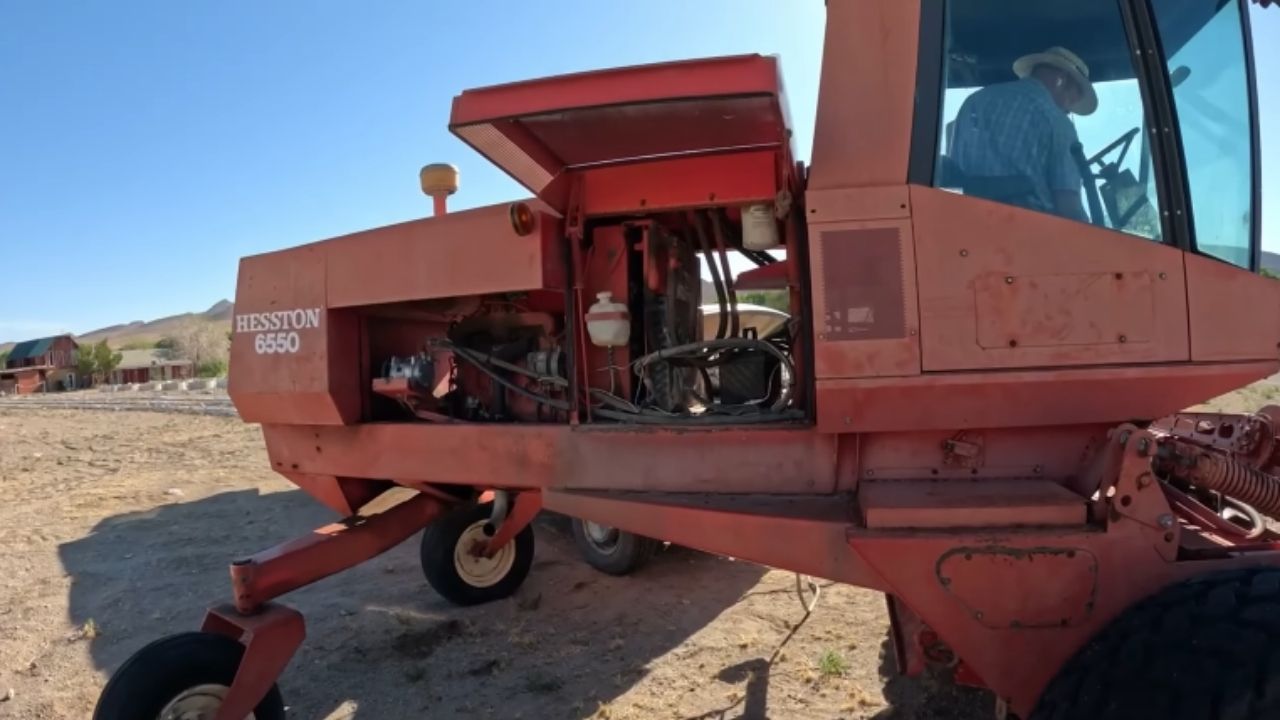
To cut the growth of the fields, the family tried to use an old mower that had been idle for about ten years. The equipment worked, but required repairs, adjustments, and a lot of patience, as it faced difficulties cutting tall grass and had steering problems.
This phase sums up the spirit of reconstruction: almost nothing was ready, but many things could still be reused. Instead of relying solely on new equipment, the family tried to recover old machines and keep the project moving forward even far from parts and quick assistance.
Old cars and useless structures were removed
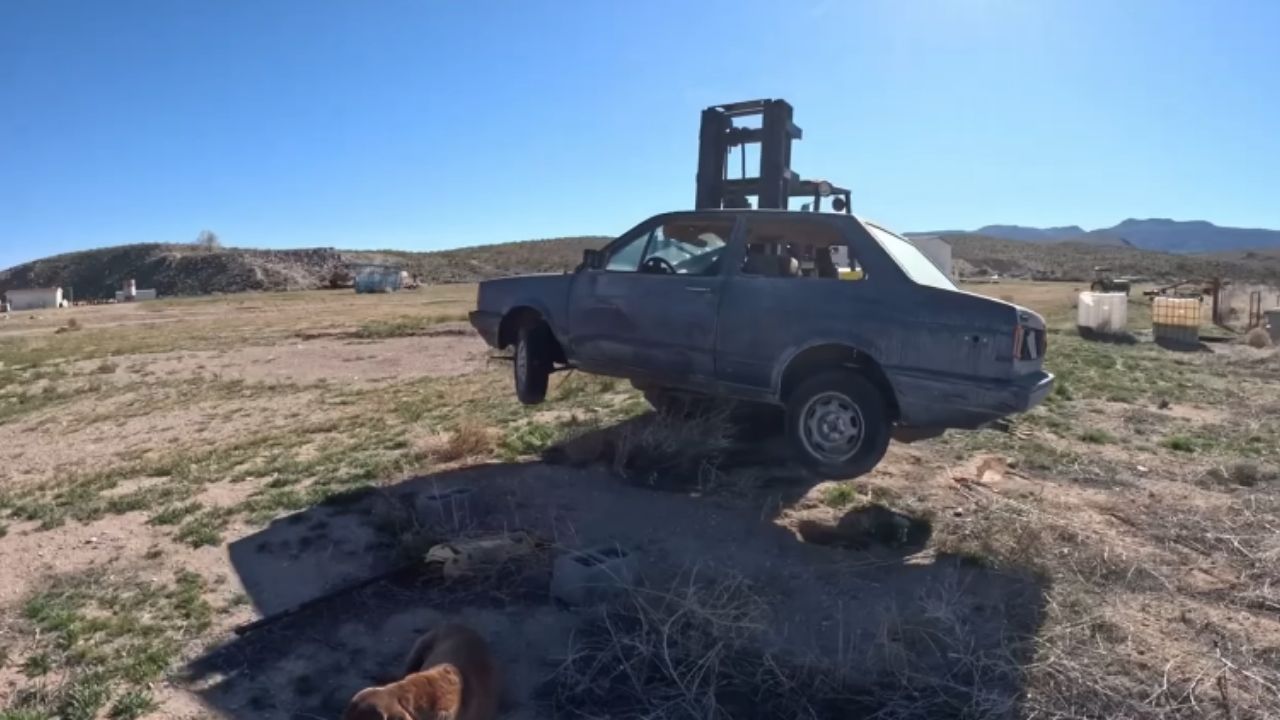
Besides the weeds and trees, there were old cars, broken vehicles, and equipment scattered around the property. Part of this material was taken to the junkyard, freeing up space and reducing the ghost town appearance the ranch had initially.
Another laborious step was the removal of old fences and heavy posts near the front of the houses. According to the transcript, there were steel and concrete structures that took months to remove. The cleaning was not just aesthetic; it opened space for a new use of the land.
Garden was born from reused structures
An interesting point of the reconstruction was the reuse of metal structures used as window wells. There were more than a hundred scattered around the property, and the family decided to transform them into raised beds.
The solution required digging holes, aligning the pieces, and preparing the soil, but the result was a productive garden. According to the report, they ended up with more vegetables than they knew what to do with. What once seemed like debris became a functional part of the recovery of the abandoned ranch.
Apartments began to generate income
The property also had rental units that needed cleaning and repairs. The family spent several nights preparing apartments, removing dirt, and making the spaces ready to welcome residents.
Some units were rented out, creating cash flow for the project. This point is important because it shows an economic turnaround: the ranch stopped being just an expense and started to return part of the investment. The rental income helped transform the restoration into a more sustainable plan.
Restaurant became a family meeting point


The existing restaurant on the property surprised the family. Although it had hardly been used before, the space had the infrastructure to operate a full kitchen and began serving as a venue for gatherings, meals, and meetings.
According to the report, the restaurant became one of the best parts of the ranch. The family began to use it frequently for events and internal gatherings. The building ceased to be just an abandoned structure and became the social center of the new rural complex.
Barns pave the way for new projects
The large barns are also part of the property’s potential. They offer space for storage, manufacturing, workshops, and future activities related to the ranch, expanding the use of the land beyond housing and agriculture.
The family states that there are still many projects ahead, including production initiatives they intend to learn to manufacture on-site. This detail reinforces that the abandoned ranch is being rebuilt as a multifunctional base, with work, income, and family life in the same space.
Reconstruction is just beginning
After six months, the family had already removed trash, cleared weeds, dealt with leaks, restored fields, activated irrigation, created a vegetable garden, prepared rental properties, and repurposed the restaurant. Even so, the account makes it clear that the project is still in its initial phase.
The transformation of the abandoned ranch shows how a degraded rural property can gain new function with continuous work, repurposing, and family planning. Would you have the courage to buy a place this size, full of hidden problems, to rebuild from scratch? Share your opinion.


