Portuguese
  Spanish


Structure created in Huntsville simulates a complete community and prepares investigators to tackle ransomware, digital crimes, and failures in essential services
An unusual structure created by the FBI has been attracting attention for how it turns the fight against cybercrime into an almost real experience.
The agency built a fake city within its campus in Huntsville, United States, to train agents against cyberattacks, ransomware, and complex digital investigations.
Named Kinetic Cyber Range, the facility was inaugurated in February 2025 and occupies about 2,044 square meters.
-
Engineers Develop Fridge-Sized Machine to Produce 95-Octane Synthetic Fuel from Air and Water, Aiming to Sustain Combustion Engines Without Oil

-
Two-Armed Robot Uses AI to Reassemble Destroyed Pompeii Frescoes, Solving an “Impossible” Puzzle
-
New Law in Brazil Requires Breaks for Type 1 Diabetes Management at Work, School, and Public Exams

-
Scientists Confirm “Greening” of Antarctica: Ice on the World’s Coldest Continent Turns Green as Mosses Multiply Over Tenfold in Four Decades


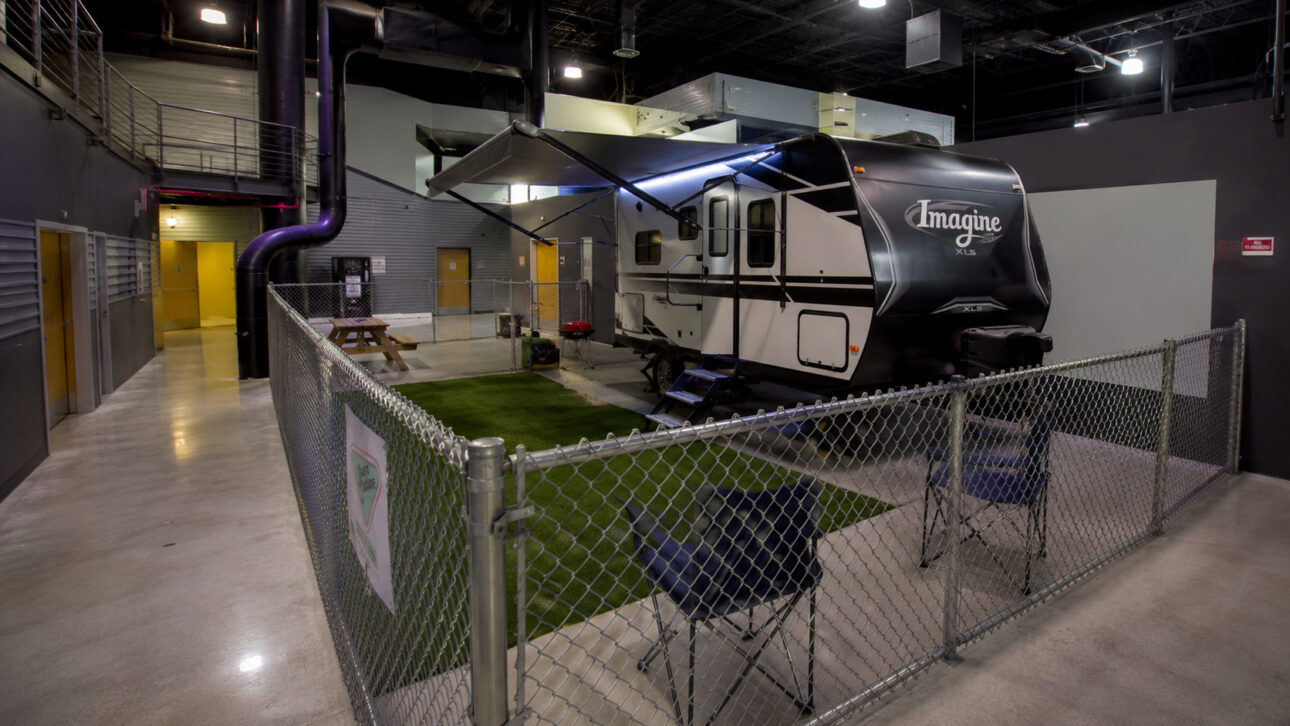
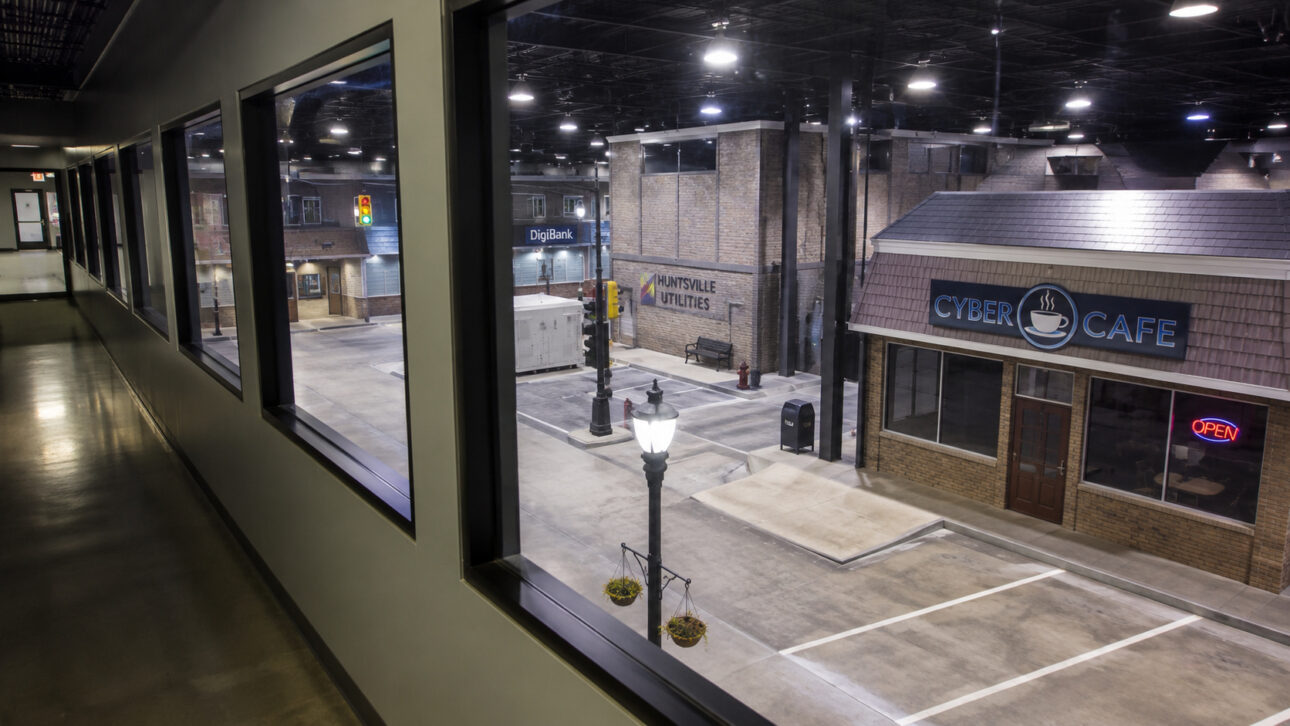
The space replicates a small American community, with houses, hotel, supermarket, hospital, courthouse, gas station, energy company, and streets with traffic lights.
According to the FBI, more than 1,400 people have already undergone the training, including federal agents and professionals from partner agencies.
Scenic city simulates urban routine before digital attacks
The purpose of the Kinetic Cyber Range is to bring the training closer to the real routine of an investigation, without putting real systems at risk.
According to information from the FBI and TechCrunch, the city was designed to appear ordinary until the start of the attack exercises.
During the simulations, participants need to react to system failures, service interruptions, and digital threats in real time.
The environment includes fully furnished houses in simulated use, as well as a hospital, hotel, and supermarket with scenic operation.
The structure also features streets with traffic lights, controlled circulation, a data center with more than 200 physical servers, and an isolated area to contain simulated attacks.
Ransomware training gains momentum within the fake city
The main focus of the exercises is on ransomware attacks, one of the most feared threats by companies, hospitals, and public agencies.
In this type of crime, digital criminals block systems and demand ransom to release access.
Therefore, the training reproduces pressure situations where critical systems stop functioning and quick decisions need to be made.
According to the 2025 Internet Crime Report, cited by the FBI, cybercrimes caused more than $20.9 billion in losses in the United States.
The amount represents an increase of 26% compared to the previous year.
Data center with servers makes the simulation more realistic
The technical heart of the fake city is in the training data center, equipped with more than 200 physical servers.
These machines run systems like Windows and Linux, used to simulate corporate networks similar to those of real companies.
Agent Dave Beachboard, responsible for the program, described the environment as cold, cramped, noisy, dark, and difficult.
The description shows that the training tests not only technical knowledge.
In practice, agents also need to deal with pressure, discomfort, and quick decisions during a digital crisis.
Digital forensics is also part of the operation
The space is also used to train digital forensics, an essential area in investigations involving devices, systems, and encrypted data.
This stage helps investigators analyze information on protected equipment during official investigations.
In this way, the scenic city functions as a digital war laboratory on a real scale.
FBI turns cybercrime into a physical investigation experience
The creation of the Kinetic Cyber Range shows how the fight against cybercrime has ceased to be just a computer task.
Currently, digital attacks can affect hospitals, businesses, homes, public services, and essential networks.
For this reason, the FBI is betting on more realistic training to prepare agents against unpredictable threats.
In the end, the fake city leaves a clear message: digital crime is no longer something distant or abstract.
It can affect the routine of an entire city, even when everything starts within a screen.
Do you think this type of scenic city should be used by more countries to train teams against cyberattacks? Leave your opinion!