Portuguese
  Spanish


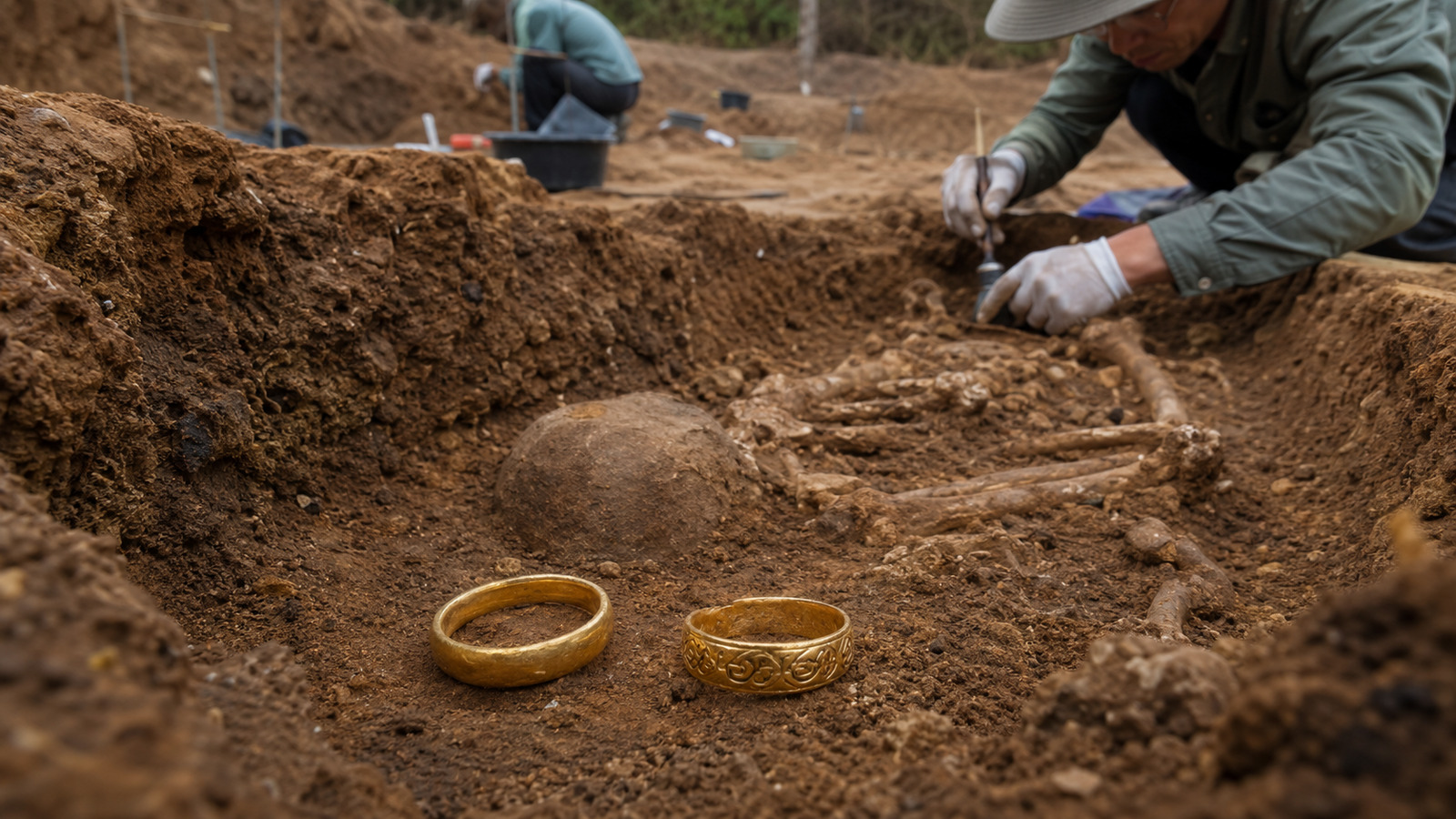

Find at the archaeological site of Don Yai Thong includes two gold rings, human skeletons, jewelry, and ceramics, revealing evidence of ceremonial burial linked to wealthy or high social status individuals
Two gold rings about 2,000 years old were found alongside human bones during excavations at the archaeological site of Don Yai Thong, in Phetchaburi province, western Thailand. The discovery, announced by the Thai government’s Department of Fine Arts, reinforces the importance of the site, identified after locals found fragments of ancient bronze drums in a rice field.


Gold rings were found in an ancient burial
The two rings appeared during an ongoing excavation at the Don Yai Thong site, located about 130 kilometers southwest of Bangkok. According to authorities, they were associated with human remains.
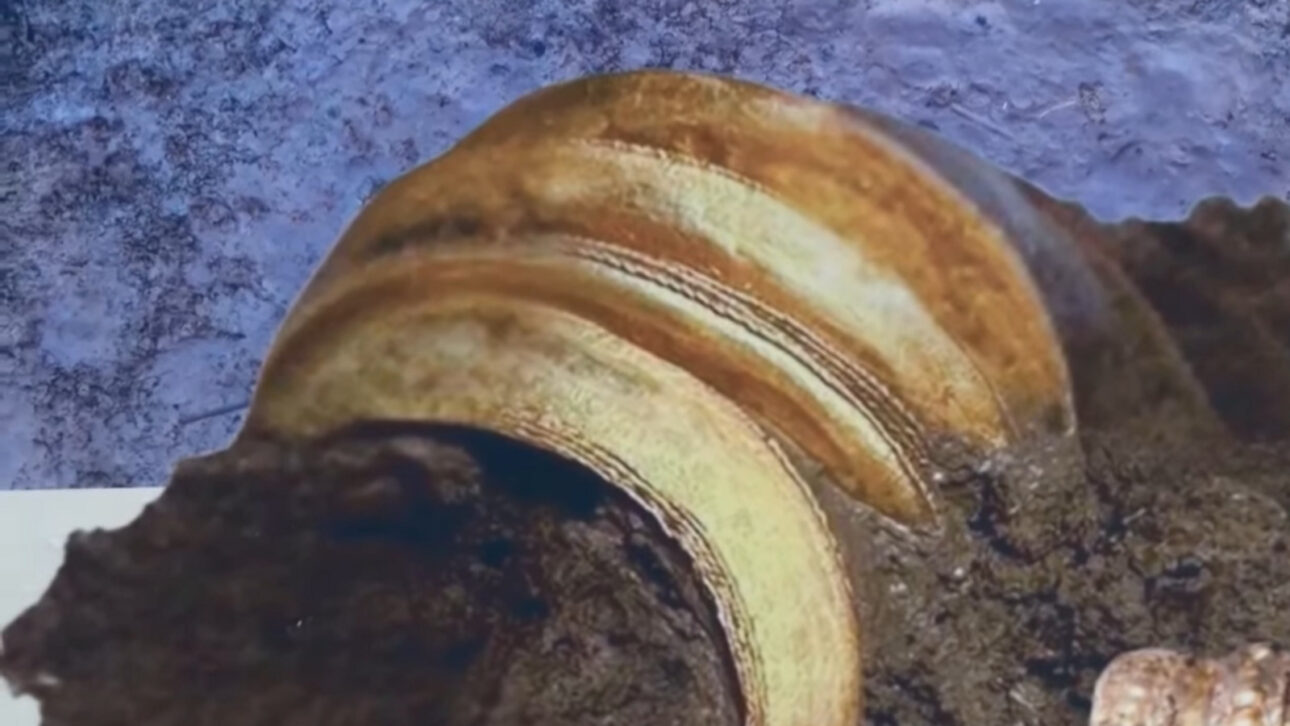
One of the objects, found on Thursday, has engraved characters that experts believe belong to the Brahmi script, an ancient Indian writing system. The initial assessment identified the inscription as “pusarakhitasa.”
-
Lenovo Unveils Legion Y700 Tablet with RGB Backlighting, 5G, and SIM Card Support

-
World’s First Nuclear Hydrogen Unit Begins Operation: Copper-Chlorine Technology with Initial Capacity of 150 Liters per Hour, Aiming for 3,000 Liters per Hour
-
Mechanics Retrofit Old Fiat Uno with BYD Electric Motor for Silent, Low-Voltage Operation Reaching Nearly 60 km/h in Home Test
-
Free Internet Begins Testing in São Paulo Metro Stations, Network-Wide Rollout Expected by 2026


Inscription may link find to Indian astronomy
According to the Department of Fine Arts, “pusarakhitasa” means “one protected by Pushya.” Pushya is described as one of the most auspicious zodiac signs in Indian astronomy.
The other ring found alongside the same remains is plain gold, without any pattern. For experts, the owner of the gold rings may have been a merchant linked to the ancient Indian caste system, the Vaishyas.
Site was discovered after residents found bronze drums
The archaeological site of Don Yai Thong was discovered earlier this year after residents found pieces of ancient bronze drums in a rice field. The discovery led to new excavations at the site.
According to authorities, the site was dated to the late prehistoric period in Thailand, a period of human settlement also known as the Iron Age, estimated between 1,500 and 2,500 years ago.
Excavation has already revealed skeletons, jewelry, and ceramics
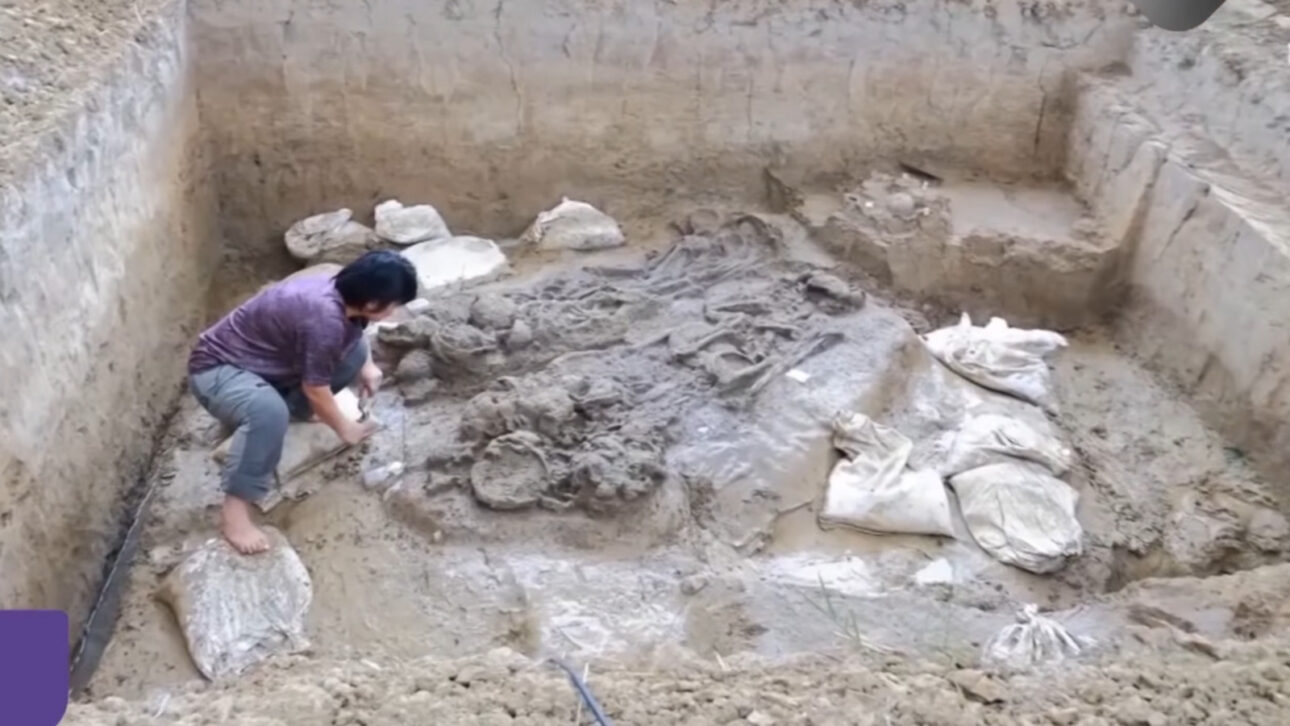
Since February, archaeologists have found eight human skeletons, bronze and gold jewelry, ceramics, and other artifacts.
The collection indicates a ceremonial burial of wealthy people or members of the upper classes of society.
The excavation is expected to be completed in a month. The Department of Fine Arts reported that the archaeological findings will be displayed to the public.
This article was prepared based on information from the Thai government’s Department of Fine Arts, with data, numbers, and statements preserved as per the consulted material.