Portuguese
  Spanish


Law No. 15,439/2026 ensures reasonable accommodations for people with type 1 diabetes in work, education, and public exam environments
The type 1 diabetes law was sanctioned by President Luiz Inácio Lula da Silva on June 26, 2026 and published in the Official Gazette of the Union on June 29, 2026.
The new rule expands the legal protection of people with type 1 diabetes mellitus in areas such as health, education, labor market, and public contests.
According to the Senate Agency and the Chamber Agency, Law No. 15,439/2026 comes fully into effect after 180 days of official publication. During this period, the government must complete practical regulation.
-
Scientists Confirm “Greening” of Antarctica: Ice on the World’s Coldest Continent Turns Green as Mosses Multiply Over Tenfold in Four Decades

-
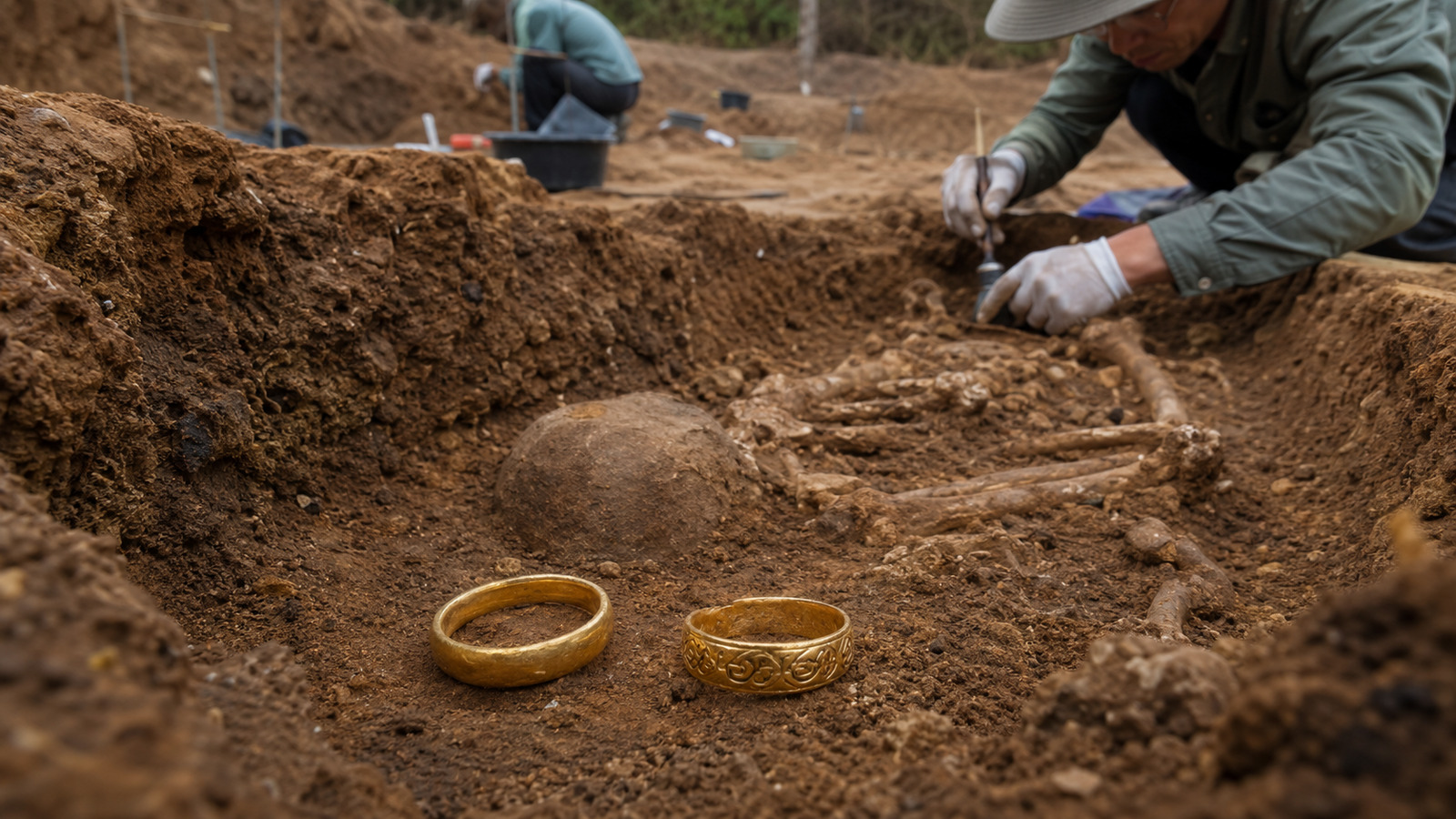
2,000-Year-Old Gold Rings Found with Human Bones in Thailand Reveal Rare Burial and Feature Ancient Indian Inscription

-
Lenovo Unveils Legion Y700 Tablet with RGB Backlighting, 5G, and SIM Card Support

-
World’s First Nuclear Hydrogen Unit Begins Operation: Copper-Chlorine Technology with Initial Capacity of 150 Liters per Hour, Aiming for 3,000 Liters per Hour



Currently, about 600,000 Brazilians live with the condition, according to information released by the Commerce Journal.
Law establishes new guarantees for people with type 1 diabetes
The legislation requires schools, private companies, and contest organizers to adopt reasonable accommodations to accommodate people with type 1 diabetes.
In practice, these accommodations include breaks during the workday, during classes, and also during public exams.
These breaks can be used to measure blood sugar, administer insulin, or consume some food, when necessary.
The measure addresses an essential routine for those who need to control glucose levels throughout the day.
Breaks at work, in schools, and in public contests
The new law also ensures more security for situations that previously depended on isolated decisions.
Before the regulation, many rights were not clearly defined by law. Therefore, patients faced bureaucracy in companies, schools, and contests.
In some cases, basic needs were simply not met by institutions or employers.
Now, the legislation creates a formal basis for these breaks to be respected in different environments.

Meal times and use of medical devices
Another important point involves meal times.
The law provides for more flexible meal times for students with type 1 diabetes, as diet is part of managing the condition.
Additionally, the regulation ensures the use of medical devices in these spaces.
Among the equipment are sensors applied to the skin, insulin infusion pumps, and other items necessary for monitoring blood glucose levels.
Thus, students, workers, and candidates will be able to carry these devices in schools, companies, and exam locations.
Type 1 diabetes was not automatically equated to a disability
A point included in the original text was not retained in the final version sanctioned.
The initial proposal included equating type 1 diabetes to a disability. This change could open automatic access to specific benefits.
Among them were the Continuous Cash Benefit, known as BPC, and quota-based positions.
However, this section was left out of the approved law.
Thus, recognition as a person with a disability will follow the criteria already provided in the Statute of Persons with Disabilities, according to information from the Senate Agency and the Chamber Agency.
What changes for patients, schools, and companies
The main change is the transformation of practical needs into legal guarantees.
From the law, breaks to measure glucose, apply insulin, eat, and use medical devices now have formal support.
Therefore, schools, companies, and contest organizers will have clearer rules to accommodate people with type 1 diabetes.
The full implementation, however, depends on the regulation expected within 180 days after publication in the Official Gazette of the Union.
With the new type 1 diabetes law, do you believe that companies, schools, and contests will be better prepared to meet these needs on a daily basis?