





 Portuguese
  English
  Spanish
  3 min of reading


Among the Less Efficient Options Chosen in the Voting, Ending the PPI and Market Self-Regulation Would Not Be Good Alternatives for the Country
Fuel prices are high in Brazil for various reasons. The main reason is Petrobras’ policy of setting the price of crude oil based on international prices. In other words, if the price of the raw material increases abroad, the state-owned company raises it here as well, directly affecting the prices at gas and diesel stations. One of the recent reasons for this price surge has been the war in Ukraine, as Russia, which is the second largest oil exporter and the third largest oil producer in the world, accounting for about 12% of the global supply, has been facing economic sanctions.
In a presidential election year, the candidates do not refrain from criticizing Petrobras, even though the Union benefits from the state-owned company’s earnings. But besides trying to change the policy of international parity in oil prices, what would be another alternative for fuel prices to decrease in Brazil? To gauge public opinion, the Click Petroleum and Gas portal conducted a poll on Twitter.
The opinion poll indicated that building more refineries would be the main alternative to reduce fuel prices. This option garnered 35% of the votes, closely followed by “cut taxes” with 32%. “Abolishing the Investments Partnership Program (PPI)” received just over 21%, and “Market Self-Regulation” was pointed out by 10% of voters.
-
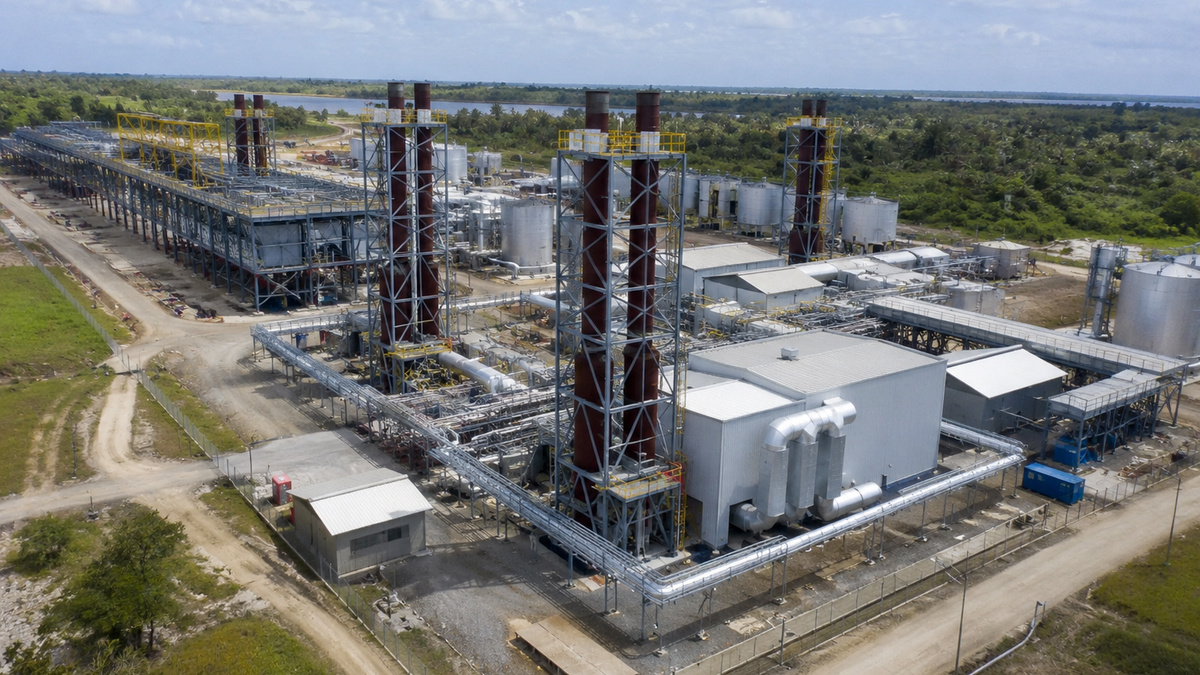
The first large-scale ethanol-powered thermoelectric plant is born in Pernambuco, surprising the energy sector and potentially opening a new phase for biofuels in Brazil.

-
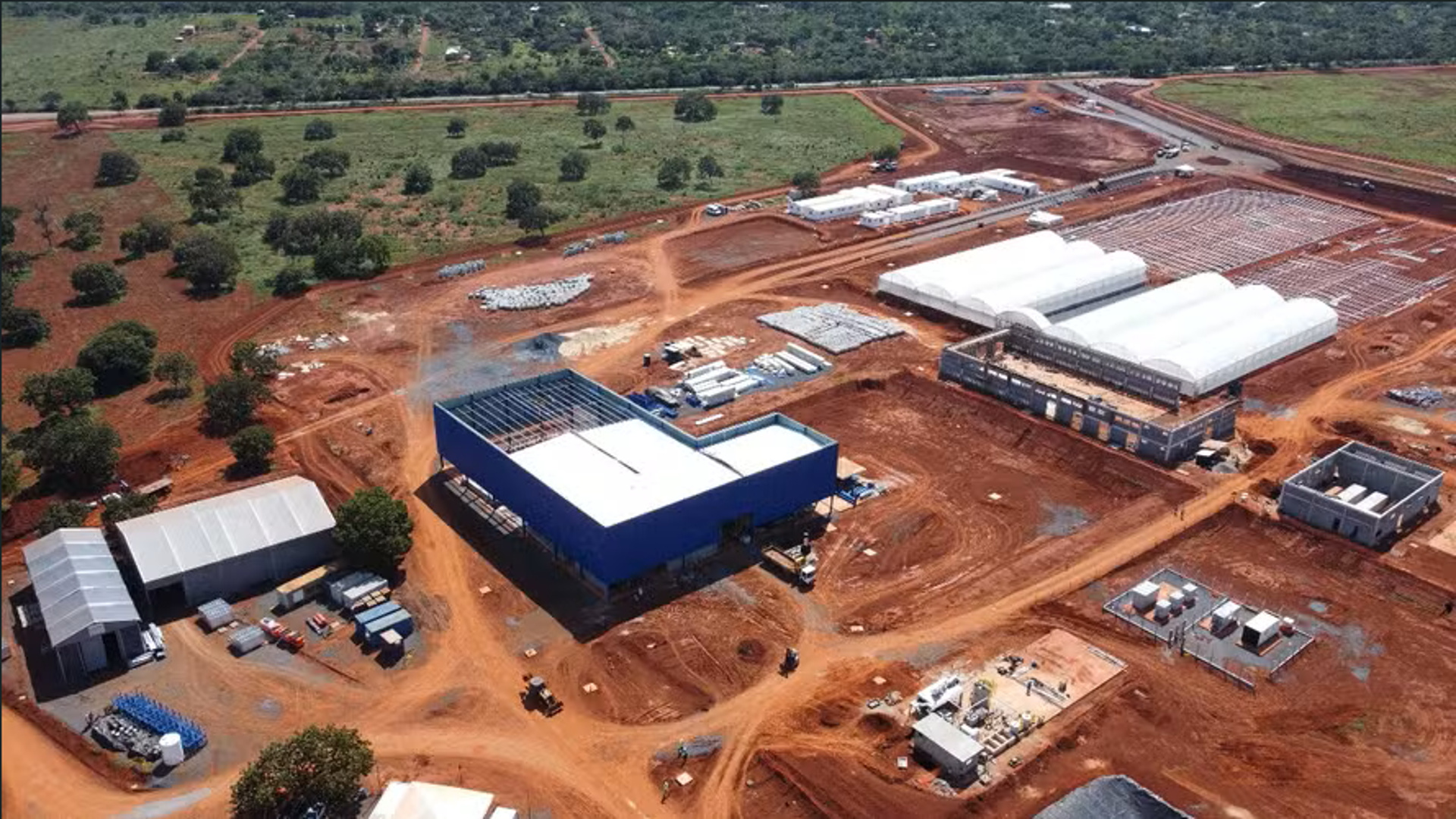
Acelen advances with megabiorefinery in Bahia with a R$ 503 million investment released by BNDES and boosts the production of sustainable fuels with advanced technology capable of transforming vegetable oil and waste into green diesel and low-emission aviation fuel.

-
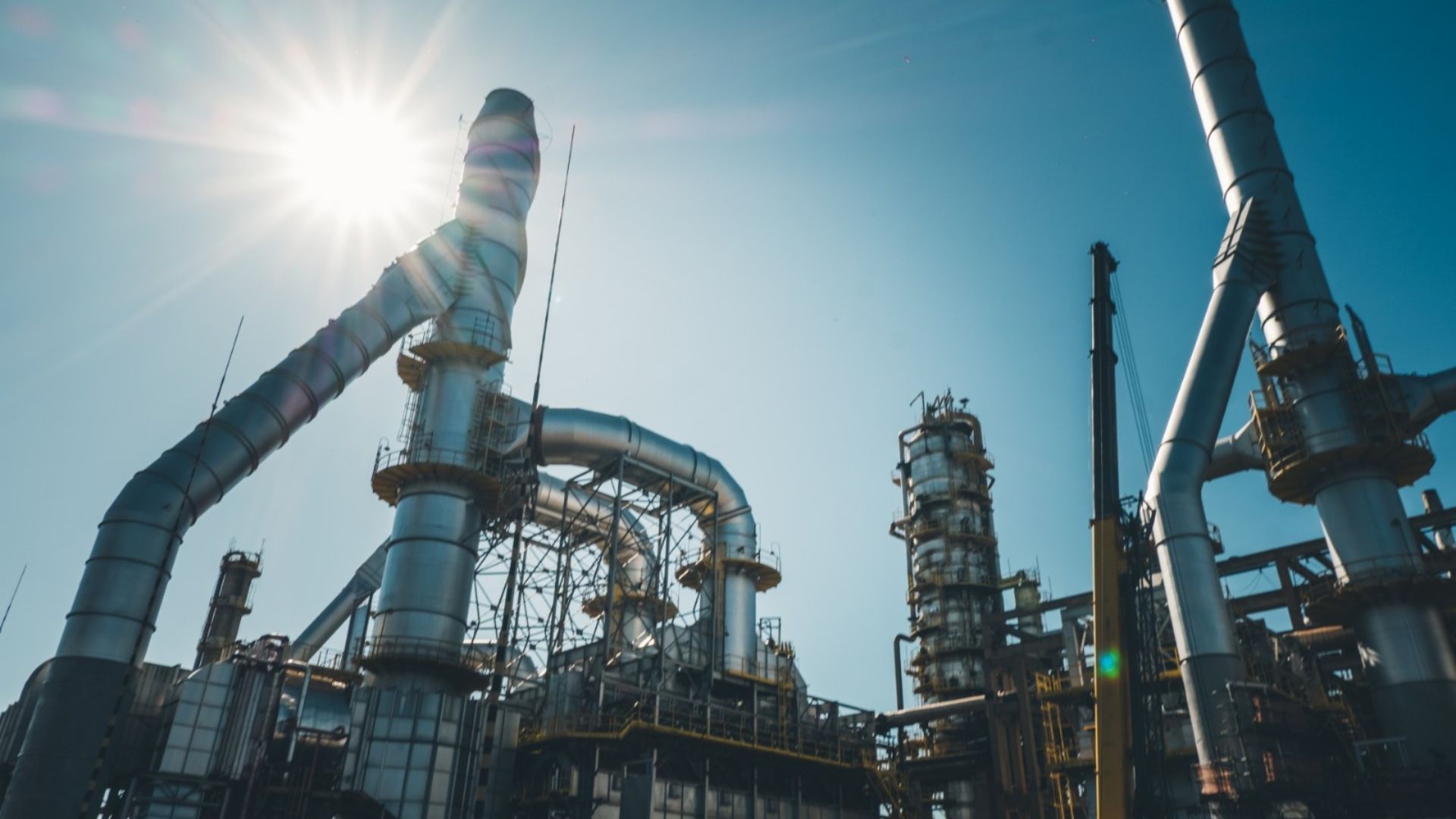
Petrobras announces RNEST’s historic milestone in April after the refinery reached record diesel production and strengthened the national fuel supply.
-
Petrobras Expands Refining in Brazil, Increases Production of Diesel S-10 and Gasoline, Enhances Operational Efficiency, and Reduces Import Dependence Between 2023 and 2025

Building More Refineries Would Make Refining Costs Drop by More Than 30%
Pointed out by the majority of people who participated in the CPG portal poll, the construction of more refineries would cause the cost of oil refining at national facilities to drop by 33%, making it cheaper than abroad.
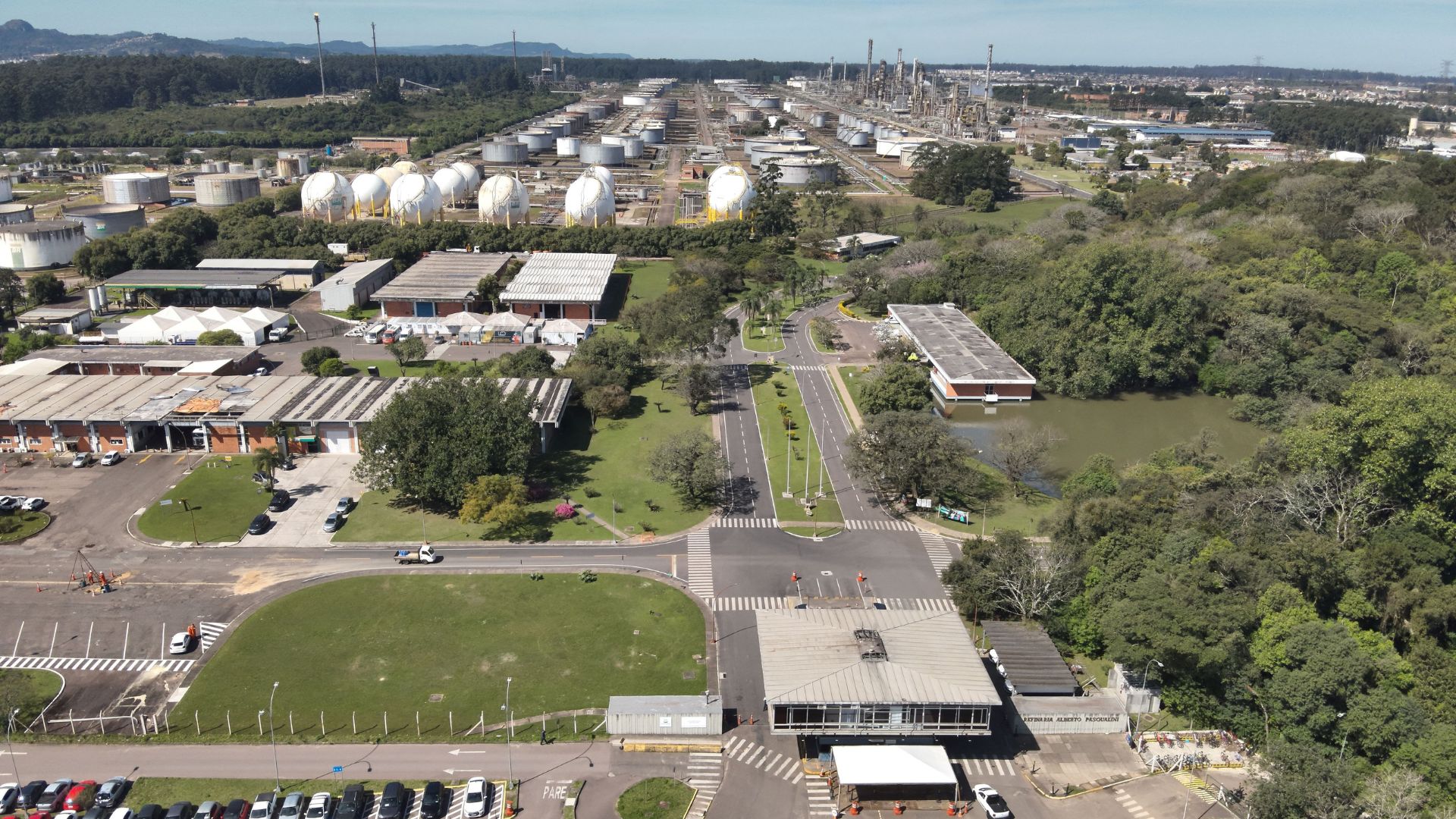
Currently, Petrobras has 12 refineries operating in Brazil that produce gasoline, diesel, aviation kerosene (QAV), fuel oil, among other petroleum derivatives, every day. The average is 1.8 million barrels produced per day.
Brazilian crude oil is very valuable. If it were fully refined here in the country, there would be no need to incur so much in import costs, nor would we be at the mercy of fluctuations in the dollar.
With the aim of processing Brazilian oil, the refineries of Abreu e Lima, in the city of Cabo de Santo Agostinho in Pernambuco, and the Comperj Complex in Itaboraí, Rio de Janeiro, had their constructions initiated.
However, the construction of Abreu e Lima was suspended in 2016 with 95% of the work completed. As for Comperj, only the assembly of equipment was needed for it to begin operations, until corruption schemes were revealed by Operation Car Wash.
Fuel Taxes Have Always Been a Target of Debate Involving Petrobras
Taxes represent a substantial portion of fuel prices in Brazil. Of the total price of gasoline, about 10% is from PIS/COFINS/CIDE. The ICMS, which is the state tax, accounts for about 24% (national average).








Be the first to react!