Portuguese
  Spanish


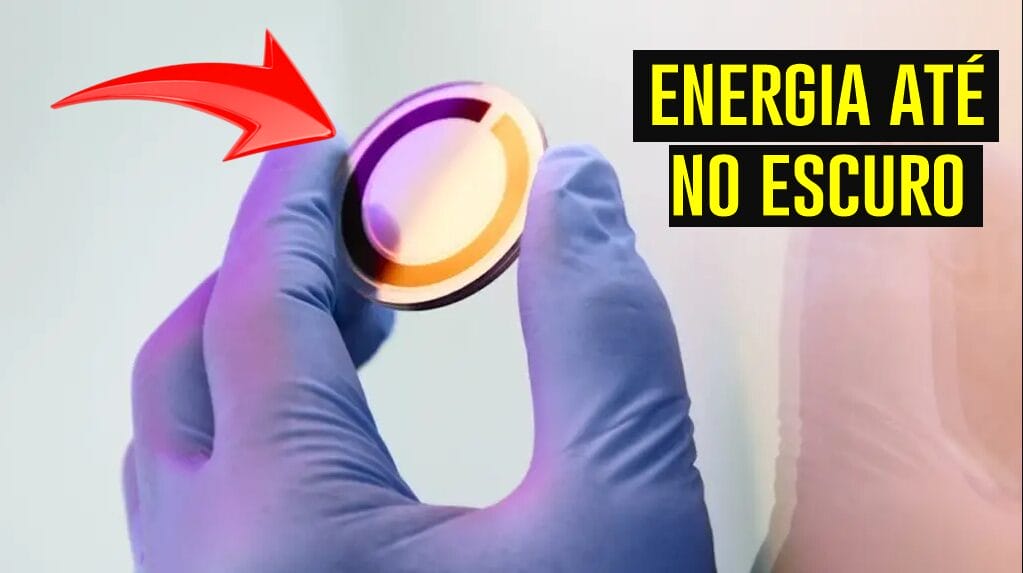

Printed Photovoltaic Cells Of Any Size And Low Cost Can Replace Batteries In Electronic Devices
The solar energy industry is undergoing a major transformation, and Perovskia Solar, a Swiss company spun off from Empa, has been one of the key players driving this change. With an innovative approach, Perovskia Solar is redefining energy supply for electronic devices, especially those connected to the Internet of Things (IoT), by offering customized printing solutions for perovskite photovoltaic cells.
The company has already attracted interest from over ten major companies in the sector and recently secured initial funding of tens of millions of dollars.
This funding will enable the company to expand its operations and continue developing its printed solar cells, which are highly efficient and cost-effective, even in low-light environments like homes and offices.
-
Solar energy can increase property value by up to 10% and become a selling point.

-
Solar and wind energy surpass natural gas for the first time in the world and accelerate energy revolution

-
Africa has about 500,000 cell towers and most still burn diesel to operate, while companies rush to cover antennas with solar energy and avoid signal blackouts.
-
Farmers swapped diesel for solar panels in Pakistan, powered irrigation pumps almost cost-free, expanded rice fields, and now groundwater has become a red alert in the countryside.




Photovoltaic Cell Printing Technology
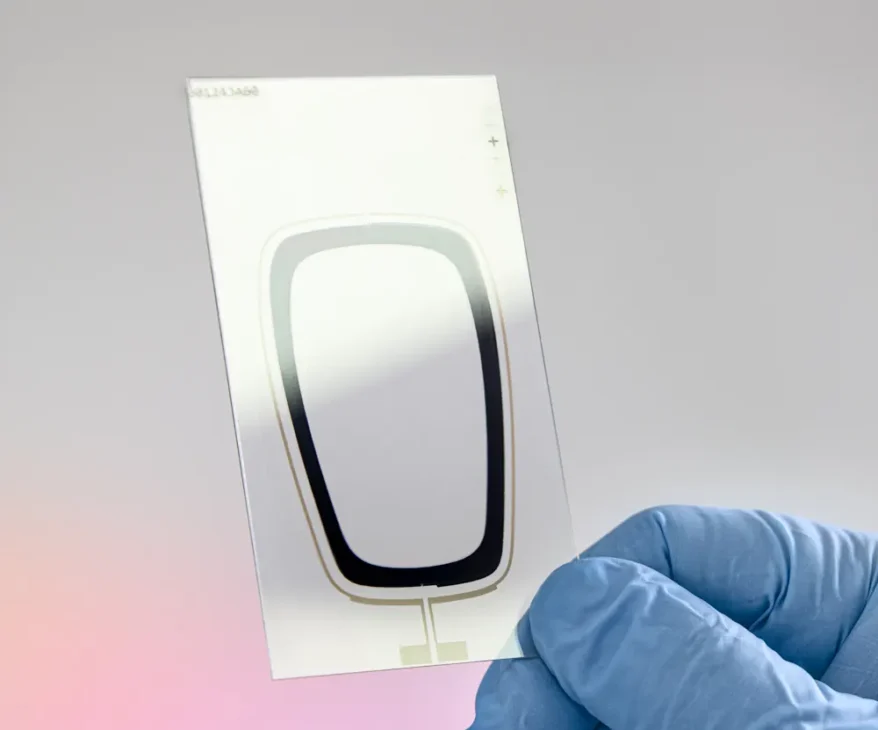
Perovskia Solar
The perovskite photovoltaic cell technology developed by Perovskia Solar offers several advantages over traditional silicon solar cells.
One of the company’s main innovations is the ability to print solar cells of any size at a relatively low cost.
According to the founder and CEO of the company, Anand Verma, the technology is poised to transform the market for electronic devices, which has the potential to become multi-billion-dollar.
He states: “Our designed and easy-to-integrate solar cells make batteries redundant or extend their lifespan, opening the possibility to power any device with solar energy.”
With this approach, internal electronic devices such as smartwatches, keyboards, and various connected objects can be powered by solar energy, eliminating or significantly reducing the reliance on traditional batteries.
The co-founder and CTO of Perovskia, Tobias Meyer, explains that the company has spent years developing its energy capture technology, which now allows the solution to be ready for the market and applicable in both industrial and private devices.
High Efficiency In Low-Light Environments
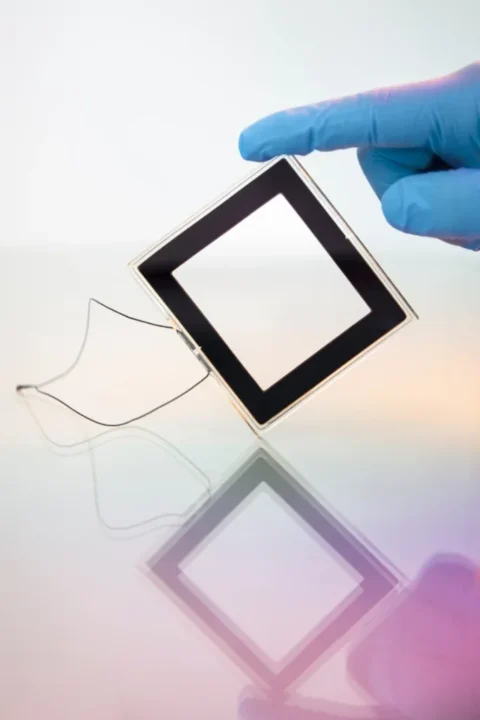
Perovskia Solar
One of the major innovations of perovskite solar cells is their high efficiency in low-light environments. This feature makes them particularly suitable for indoor use, where there is often a scarcity of direct light from the sol.
As a result, a wide range of electronic devices can be powered by this technology, opening new possibilities for the creation of sustainable energy solutions for the IoT.
The success of Perovskia Solar has not gone unnoticed in the financial market. The company now has the backing of the venture capital fund Kickfund, Venture Kick, and D&FG Elements, as well as a coalition of international investors led by Nils Hagander and Beda Rohner. According to Hagander, “Perovskia is well-positioned to advance the next generation of electronic devices for consumers and industry.”
Expansion And Mass Production

To meet the growing demand for its solutions, Perovskia Solar has opened a new factory in Aubonne, in the canton of Vaud, Switzerland.
The facility has the capacity to produce one million perovskite elements per year, marking a significant step for the company’s expansion and the democratization of this cutting-edge technology.
Perovskia Solar is therefore not only transforming the solar energy market but also directly contributing to the evolution of portable electronic device technologies. With its custom-printed photovoltaic cells, the company offers an efficient, cost-effective, and sustainable solution capable of powering the next generation of electronic devices.