Portuguese
  Spanish


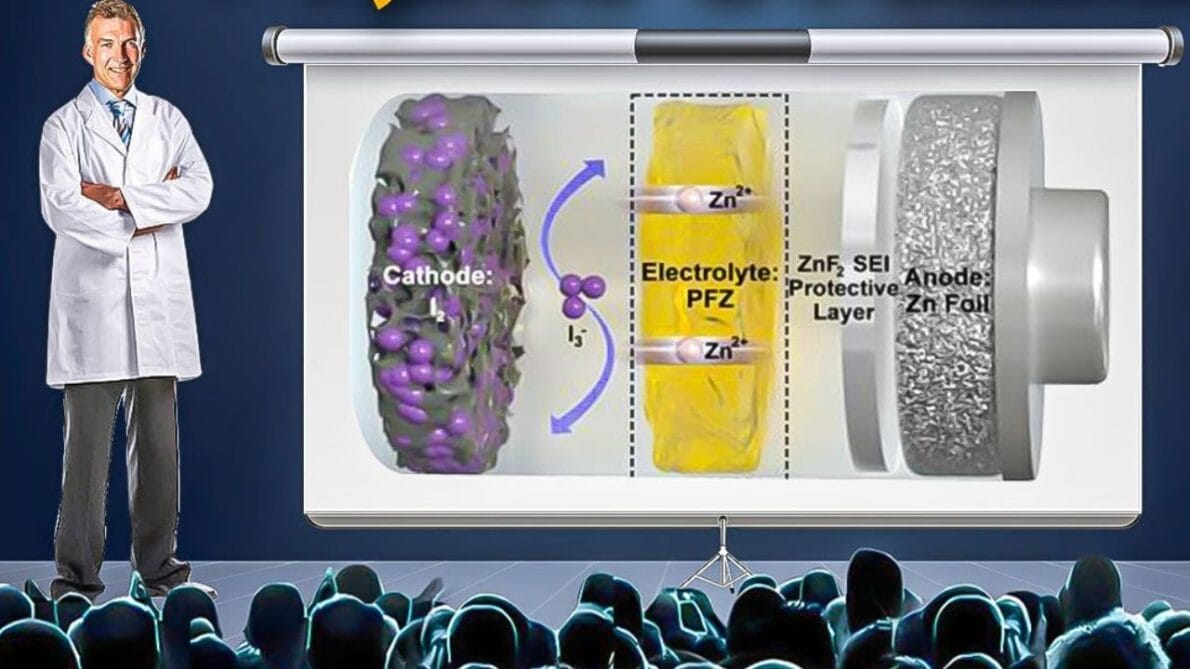

New Zinc Solid-State Battery Surprises The Technology Industry!
A new zinc solid-state battery is causing a stir in the technology industry. Scientists in Australia have developed a groundbreaking design for rechargeable batteries, promising to be a game changer. This battery not only lasts longer and charges faster, but it is also safer than the lithium-ion batteries we currently use in our cell phones and laptops. But can this innovation really deliver on its promises?
The new zinc solid-state battery emerges as a promising solution to critical problems faced by lithium-ion batteries. While the latter have high energy density, they are known for their safety risks due to flammable electrolytes that can overheat and cause fires or explosions. Zinc batteries eliminate this danger by using a water-based electrolyte, making them much safer for household and industrial use.
Impressive Technical Specifications
Let’s talk numbers. The zinc battery features a theoretical capacity of 820 mAh/g, well above traditional batteries. The use of iodide, abundant in the earth’s crust, makes the process more economical and sustainable. However, this technology is not without its disadvantages.
-
Why did a company that was already earning US$ 1 million decide to completely change its strategy? The answer begins with used bottles, worms, and an unexpected decision.

-
Where it almost never rains, residents hung giant nets in the desert mountains and started to ‘fish’ drinking water from the fog: the nets can collect thousands of liters per day directly from the mist.

-
Young people from Minas created a robot without screws or metal parts, betting on a strong and flexible structure to compete against a thousand teams in Houston and took Brazil to the top of world robotics for the first time; Sofia, 15, also made history with an unprecedented leadership award.

-
Detectorist found a 900-year-old silver coin


One of the major challenges is the thermodynamic instability of the zinc electrode in aqueous electrolytes, which can lead to hydrogen release during battery operation, causing swelling and failures. The formation of passivation layers, such as ZnO and Zn4O2, can also negatively interfere with the overall functionality of the battery.
Researchers Developed A New Type Of Fluorinated Polymer As Solid Electrolyte For New Zinc Solid-State Battery
To overcome these obstacles, researchers developed a new type of fluorinated polymer as a solid electrolyte for zinc batteries. This solid electrolyte forms a stable interface that promotes horizontal zinc deposition, preventing the growth of zinc dendrites that can cause short circuits. It addresses the I3 shuttle problem, which can lead to capacity degradation of the battery.
The results are promising: symmetric cells assembled with this solid electrolyte demonstrated stable plate performance and zinc removal over an extended period. Complete batteries showed nearly perfect efficiency over thousands of cycles, indicating good practical applicability.
Promising To Be A Milestone
The implementation of this new zinc solid-state battery in the technology industry promises to be a milestone. The safety offered by water-based batteries is a relief, especially for large-scale applications near residential and commercial areas. The ease of recycling zinc batteries, which contain no toxic materials, represents a significant advancement in terms of environmental sustainability.
However, continued investment in research is necessary to overcome current challenges, such as the limited lifespan of batteries and parasitic reactions that compromise their performance. Commercial viability on a large scale still depends on efficiently and economically addressing these issues.
New Zinc Solid-State Battery Can Truly Transform
The new zinc solid-state battery can truly transform the technology industry, offering a safer, more efficient, and eco-friendly alternative to lithium-ion batteries. However, there is still a path to travel to ensure its durability and functionality in practical applications. Stay tuned, as this innovation has the potential to redefine the future of energy storage.