






 Portuguese
  Spanish


At the bottom of the sea off the coast of Pernambuco, there is a steel cemetery that turned into life: 18 ships deliberately sunk that form the Artificial Shipwreck Park of Pernambuco, considered the largest set of its kind for diving in the country.
The ship graveyard that became the largest underwater park in the country
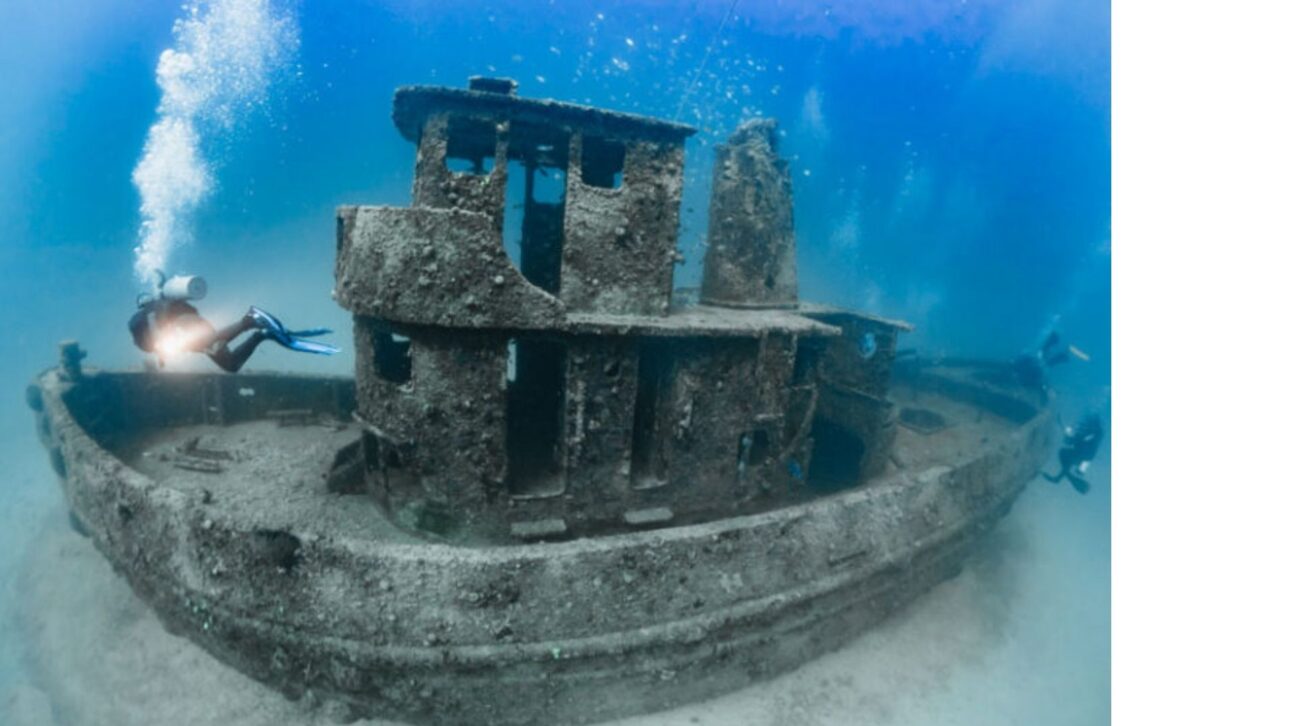
At the bottom of the Pernambuco sea lies a true ship graveyard that, instead of sadness, became a spectacle. There are more than a dozen vessels resting on the sand, transformed into an attraction for diving enthusiasts. It’s no coincidence that the state capital earned a significant nickname: Recife is known as the Brazilian Capital of Shipwrecks. And it’s no exaggeration, because nowhere else in Brazil is there such a large concentration of hulls gathered for underwater tourism.
-
During the routine drainage of a lagoon in England, an employee found the nearly complete skeleton of a 10-meter, 180-million-year-old “sea dragon,” the largest and most complete marine reptile ever discovered in the United Kingdom.

-
A college in Peru turned a street billboard into a ‘factory’ for drinking water that pulls moisture from the air: in three months, the panel produced almost 9,500 liters in one of the driest capitals on the planet.
-
A woman left São Paulo to help her 88-year-old father in the hinterland of Paraíba, found the abandoned family farm, switched cassava and cattle for organic fruits, and harvested 24 tons of melon and watermelon in the semi-arid region, proving that tradition, irrigation, and planning can transform forgotten land into a sustainable business.

-
A network of cameras created to hunt down stolen cars recorded over 1 million alerts in a single American city in one year, overwhelmed the police, and forced the department to disable precisely the feature that was supposed to be the system’s strong point.




In total, there are 18 sunken vessels that make up this park, almost all distributed between the capital’s coast and Cabo de Santo Agostinho, in a stretch of sea relatively close to the beach. Each hull acts as an anchor of life: where there was once only sand, there is now structure, shelter, and food for fish, mollusks, and crustaceans. Thus, a simple submerged pile of iron ends up becoming an oasis.
What is impressive is that most of these vessels did not sink by accident. They were deliberately taken to the bottom of the sea, in a project designed to unite research, conservation, and tourism. Tugboats that had already reached the end of their useful life, true floating junkyards, gained a second existence down below. This is the story behind the largest set of shipwrecks in the country, all built from vessels that once sailed on the surface.
It all started with a tugboat deliberately sunk in 2002
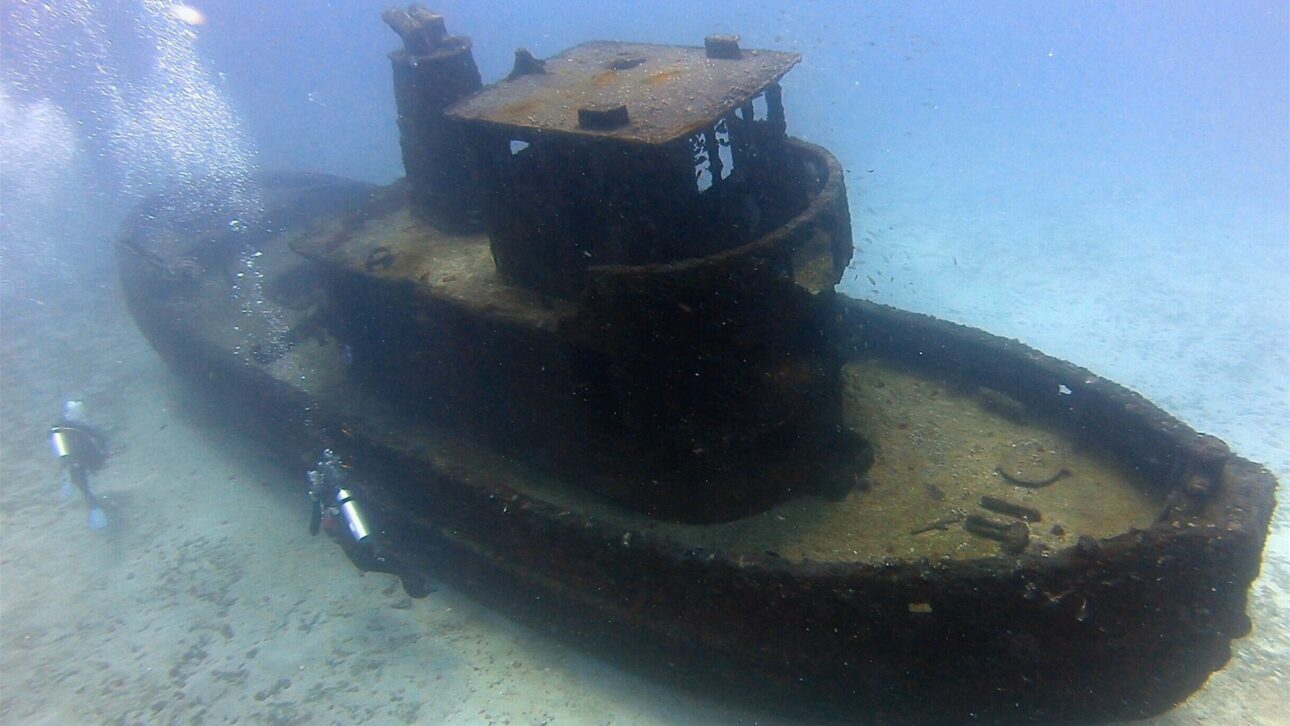
The history of this park has a well-defined birth date. It was in 2002 that the tugboat Servemar X became the first vessel deliberately sunk off the coast of Recife, precisely with the aim of creating the shipwreck route. Before that, the lost hulls in the region were just accidents scattered over time, without any project behind to unite them.
The idea came from people who knew the sea up close. In the early 2000s, local researchers and divers came together around a bold proposal: instead of leaving old ships rusting in shipyards, why not sink them at strategic points along the coast of Pernambuco? The Servemar X was the starting point of this turnaround, the first of many planned vessels that would follow.
Two years later, in 2004, it was the turn of the Servemar tugboat to go to the bottom, also at a depth of 25 meters. With each new sinking, the park grew and attracted more curious people to see up close how steel transformed into a life-filled shelter. Thus, the practice at these points ceased to be an exception and became routine for operators in Pernambuco.
From scrap metal to artificial reef: why the ships were sunk
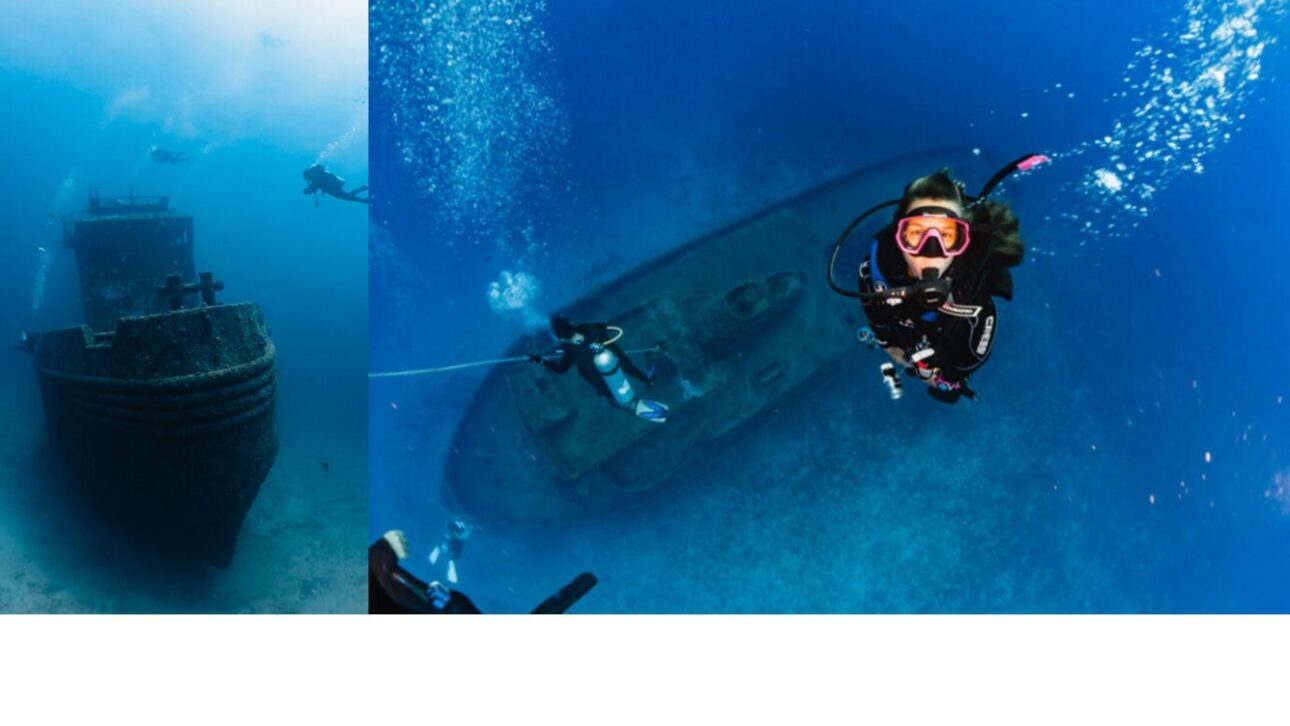
It may seem strange to deliberately sink vessels, but there is an ecological logic behind it. When a large metal structure reaches the bottom, it acts as a seed of life. Algae attach to the hull, small organisms follow, and gradually, an entire ecosystem establishes itself around the wreck. This is what scientists call an artificial structure.
In the state, this transformation was intentional. Most of the hulls in the park are made up of tugboats that had already ended their operations, vessels that became useful scrap instead of turning into waste. Instead of rusting away in a yard like scrap metal, these ships were repurposed to induce the formation of new structures and, in turn, boost diving tourism.
The result is twofold. On one hand, nature gains new shelter and reproduction points for fauna, relieving pressure on natural corals. On the other, the coast of Pernambuco gains dozens of underwater scenarios that attract visitors from all over Brazil and beyond. Each of these wrecks is both a conservation work and a tourist attraction, a rare combination that few destinations can offer.
The most famous wrecks and their depths
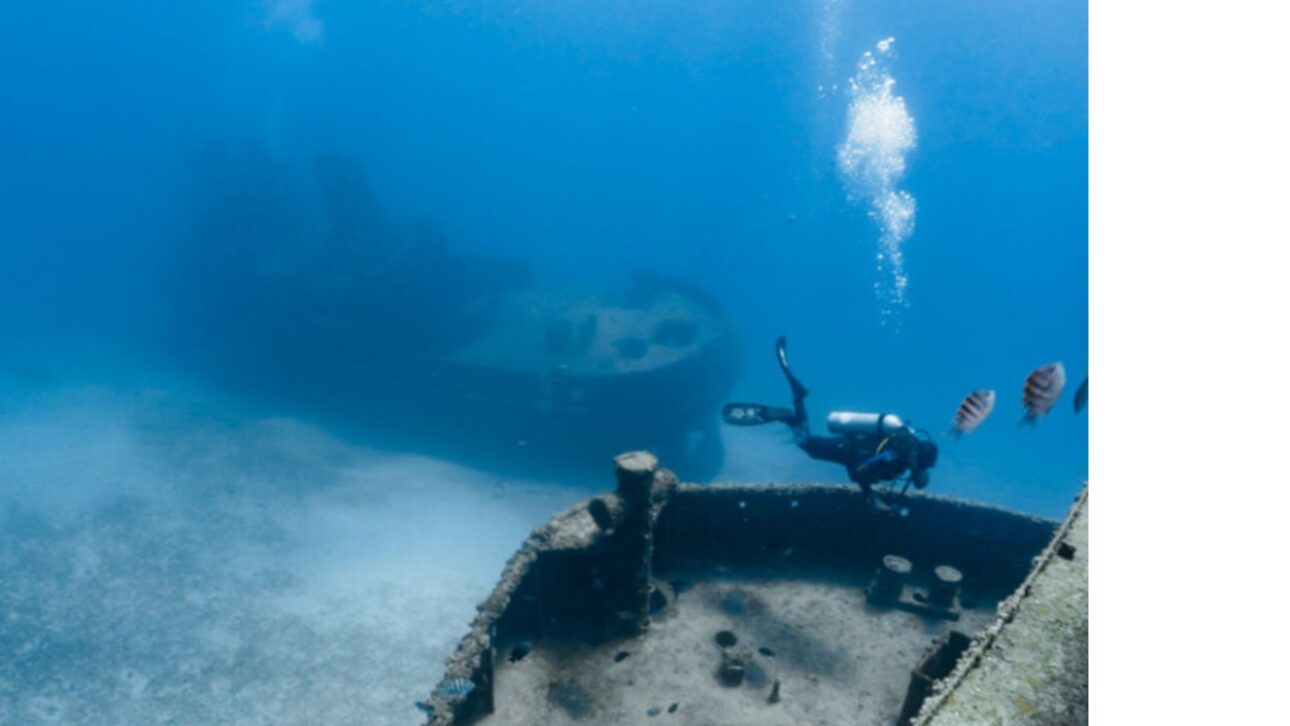
Among the 18 vessels in the park, some have become favorites among visitors. The tugboat Mercurius, deliberately sunk in 2006, rests at 29 meters and is one of the most sought after. In the same 2006 batch, the Taurus was sunk, which is around 25 meters, while the Saveiros also rests at about 29 meters below the surface.
The depth is precisely what adds spice to these dives. Most of Pernambuco’s shipwrecks are between 25 and 30 meters deep, which requires preparation. The São José, for example, is at 30 meters, one of the deepest points of the route. Hulls like the Servemar X, the Servemar, the Taurus, and the Virgo are around 25 meters, a bit more accessible for beginners.
The park has not stopped growing over the years. In 2017, new vessels were taken to the bottom, including the tugboat Virgo, which now rests at 25 meters. Other well-known shipwrecks, such as the Bellatrix, complete this submerged map that makes Recife a unique diving destination in Brazil.
A century at the bottom of the sea: the historic shipwreck of Pirapama
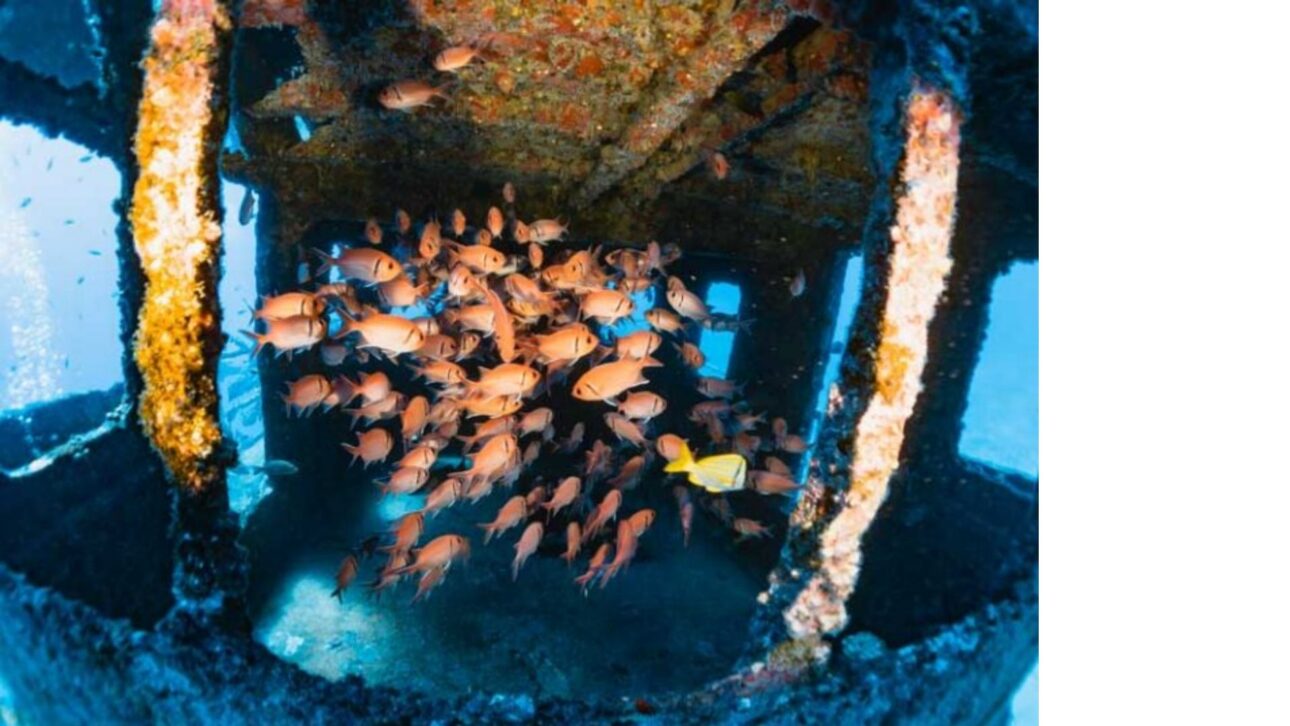
Not all of Pernambuco’s shipwrecks were deliberately sunk. The route also holds stories of vessels that ended up at the bottom by accident, and the most famous of these is the Pirapama. This shipwreck has been in the sea for over a century, long before any artificial structure project existed in the region.
Precisely because it is so old, the Pirapama has a different charm. While the tugboats from the 2000s still clearly show their original shape, the old hull has been deeply incorporated into the underwater landscape. It is one of the favorite spots for the so-called night dive, when marine life behaves in a completely different way than during the day.
The coexistence between century-old shipwrecks and recently sunk ships is what makes the park so rich. On one side, the history of the vessels that the region lost to the sea over decades. On the other, the ecological engineering of the tugboats taken to the bottom already in the 21st century. All together, they form the network of wrecks that has consolidated Pernambuco as a reference for underwater tourism.
The refuge of turtles and schools of fish that formed over the steel
The great prize of descending to these shipwrecks is not just the rusty iron, but the life that has grown upon it. After years submerged, the hulls in Pernambuco have become a refuge for turtles and schools of fish that impress any visitor. Where there was once only cold metal, there is now a swarm of colorful fish entering and exiting the ship’s openings.
The list of residents is long. Around the shipwrecks off the coast of Pernambuco, it is common to find dense schools of fish, nurse sharks resting on the bottom, rays gliding over the sand, and turtles swimming calmly among the structures. Inside the hulls, divers often spot moray eels hidden in crevices, camouflaged octopuses, and lobsters protected in dark corners.
This explosion of life is exactly what the project creators wanted when they started sinking ships. Each shipwreck functions as an artificial structure that concentrates food and shelter, attracting everything from small organisms to large predators. For those who dive, this means that each descent becomes a kind of underwater safari, with the advantage of knowing that this oasis was born from a vessel that once floated on the surface.
Who can dive in the shipwrecks of Pernambuco
All this beauty, however, has a prerequisite. Since most of the shipwrecks in Pernambuco are in the 25 to 30-meter depth range, they cannot be explored with just a basic course. To descend to these ships, it is necessary to have advanced diving certification, the next step in the training of those who take the sport seriously.
For the deeper points, the recommendation goes further. Many instructors suggest specialization in Nitrox, a gas mixture that allows the diver to enjoy more time below with a greater safety margin. It’s no wonder: spending precious minutes exploring the interior of a hull at almost 30 meters requires planning and technique.
Even so, the park is generous with different levels. There are shallower shipwrecks, around 25 meters, that serve as an entry point, and deeper ones reserved for the experienced. This variety makes the descents off the coast of Pernambuco attract both those who are progressing in the sport and veterans seeking new challenges at the bottom of the sea.
Why the park became one of the largest diving destinations in Brazil
Adding it all up, it’s easy to understand why Recife holds the title of Brazilian Capital of Shipwrecks. No other stretch of Brazilian coast gathers, in such a close space, so many purposefully sunk vessels transformed into structures full of life. What started as a handful of old tugboats turned into a route with 18 shipwrecks and a reputation that crosses borders.
The most beautiful part of the story is the cycle it tells. Vessels that had already fulfilled their function on the surface, true junkyards, were taken to the bottom of the sea in Pernambuco and reborn as homes for turtles, schools of fish, and corals. Each shipwreck proved that even retired steel can gain new life when nature takes command of what was once just scrap.
Today, divers from various parts of Brazil and the world travel to the capital of Pernambuco just to descend upon these hulls and witness this transformation up close. The itinerary remains alive, changing each year as the fauna colonizes each submerged vessel. If a pile of scrap metal thrown into the sea could become one of the largest diving parks in the country, what else could the ocean transform if we gave it the same chance?


