






 Portuguese
  Spanish


Renan Filho Confirms That Negotiation Could Exceed R$ 10 Billion, Aiming for a New Investment Cycle in Railways!
A billionaire agreement between mining company Vale and the Brazilian government is about to be finalized, with expectations that the value will exceed R$ 10 billion. This amount will be crucial for launching a new national plan aimed at the development of railways in Brazil. According to the Minister of Transport, Renan Filho, this initiative aims to ensure that the country has a solid plan, with clearly defined sources of funding, avoiding past projects that remained on paper due to lack of financing, according to cnnbrasil.
Agreement with Vale: Towards a New Investment Cycle
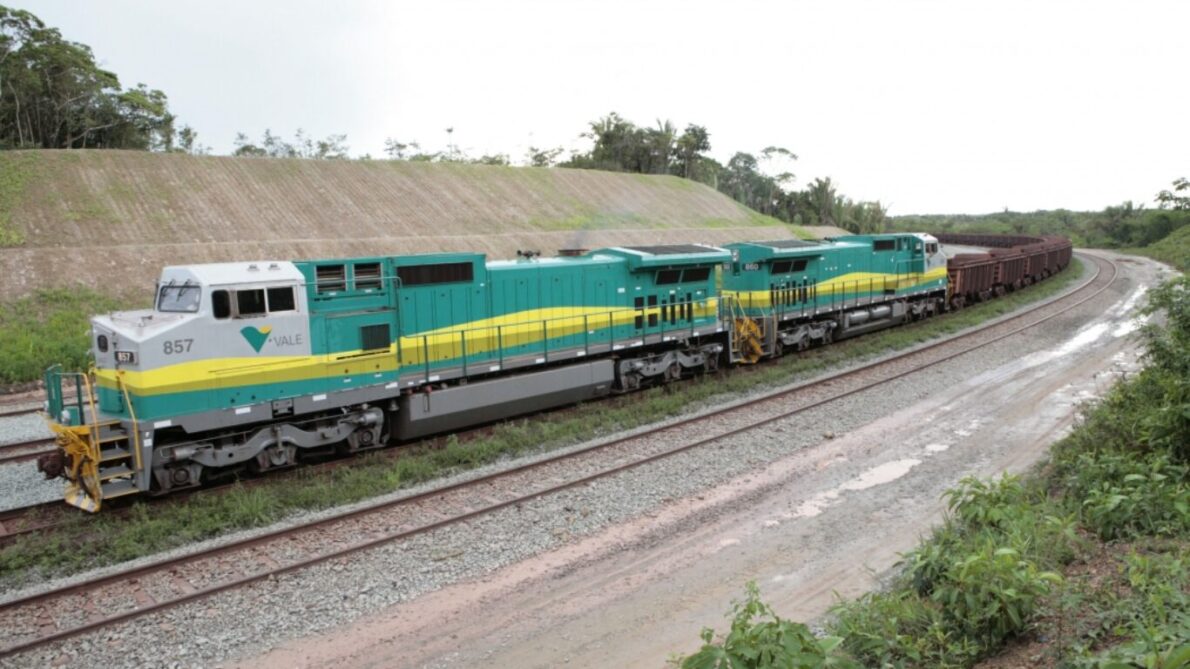
Minister Renan Filho revealed in an interview with CNN that negotiations with Vale regarding the renewal of its railway concessions are advanced and should result in an agreement above R$ 10 billion. This amount is seen as crucial for strengthening the railway sector, as it will be added to other additional concession payments, such as those from Rumo and MRS Logística.
This agreement not only seeks to correct grant values considered low in previous negotiations but also to underpin a national plan for railway development. “No More Plans That Stay Only on Paper“, stated the minister. The intention is to ensure that new railway works have specific sources of funding, making them viable and effective for freight transport in the country.
-
European Parliament Approves Digital Euro, Aiming to Challenge Visa and Mastercard’s Dominance and Transform Payments Across Europe by 2029

-
Israel finds Hezbollah militarized tunnel over 200 meters long under village, with 4 missile launch shafts, 12 chambers, anti-tank missiles, drones, and weapons depots at a depth of 25 meters.

-
Railway returns to prominence in Brazil after STF approval: a R$ 25.2 billion project promises to save R$ 9 billion in freight, transport 50 million tons per year, and transform Sinop into a logistics powerhouse for agribusiness.

-
Ukraine launches largest drone attack on Moscow since 2022, Russia claims to have intercepted nearly 200 aircraft near the capital, Kapotnya refinery targeted again, and offensive reignites alert about war reaching the Russian energy heart just a few kilometers from the Kremlin.




Impacts on the Railway and Road Transport Sector
In addition to the expected agreement with Vale, Renan Filho announced that the government intends to hold 12 to 13 road auctions in the coming months, which could be considered the largest cycle of road concessions in Brazilian history. Among the projects, the concession of BR-381, in Minas Gerais, known as “Highway of Death“, stands out. The stretch, which has undergone two auctions without bidders, has been restructured to increase attractiveness and ensure competition.
The minister explained that the restructuring involved the removal of urban lots and the mitigation of geological and demand risks, as well as increasing the internal rate of return of the project. These measures were taken to make the auction more competitive and ensure that the concession finally comes to fruition.
The Role of Vale in the Expansion of Railways
Vale, one of the largest mining companies in the world, has a fundamental role in the expansion of railways in Brazil. Its concessions, such as the Carajás Railway (FCA) and the Vitória-Minas Railway (EFVM), are vital for the transport of iron ore and other essential cargo. The renewal of these concessions, which is now in the final stages of negotiation, is seen as an opportunity to secure significant investments in the sector.
Renan Filho emphasized the importance of concluding negotiations with Vale, stating that the government is thoroughly analyzing the mining company’s proposals to ensure that the agreement is fair and benefits the country’s railway development. “We are committed to closing this agreement and turning this page“, said the minister, signaling the urgency to move forward with investments in railway infrastructure.
Next Steps: Strategic Investments for the Future
With the agreement between Vale and the government about to be finalized, Brazil is preparing for a new cycle of investment in railways. These investments are crucial for improving transport infrastructure, reducing logistics costs, and boosting the country’s economy. The government’s plan, which promises to be “credible” and effective, aims not only at the construction of new railways but also at the modernization and expansion of existing ones.
The success of these initiatives will depend on the commitment of concessionary companies, such as Vale, to carry out the agreed investments, and on the government to ensure that resources are applied efficiently. If everything goes as planned, Brazil could see a significant transformation in its railway network in the coming years, with positive impacts on the logistics sector and the economy as a whole.
Get Ready, Because Brazil’s Railways Are About to Get a New Boost!






Be the first to react!