Portuguese
  Spanish


See How Much the Installments of the New Volkswagen Tera Cost with a Down Payment of R$ 40 Thousand and Financing in 3, 4 or 5 Years.
Buying a new car in Brazil requires planning. And when payment is not made upfront, financing becomes the most common option. In the case of the New Volkswagen Tera, the model priced at R$ 99,990 can be financed with different terms and installments, depending on the down payment and the conditions chosen by the buyer.
The Pipoco Investidor Channel provided a complete simulation with a down payment of R$ 40,000 and interest rates of 1.8% per month, presenting the figures that help understand how much is actually paid when financing this vehicle.
Financing Simulation in 3 Years
In the first scenario, the simulation starts with a down payment of R$ 40,000, with financing for the remaining amount — that is, R$ 59,990 — in 36 monthly installments.
-
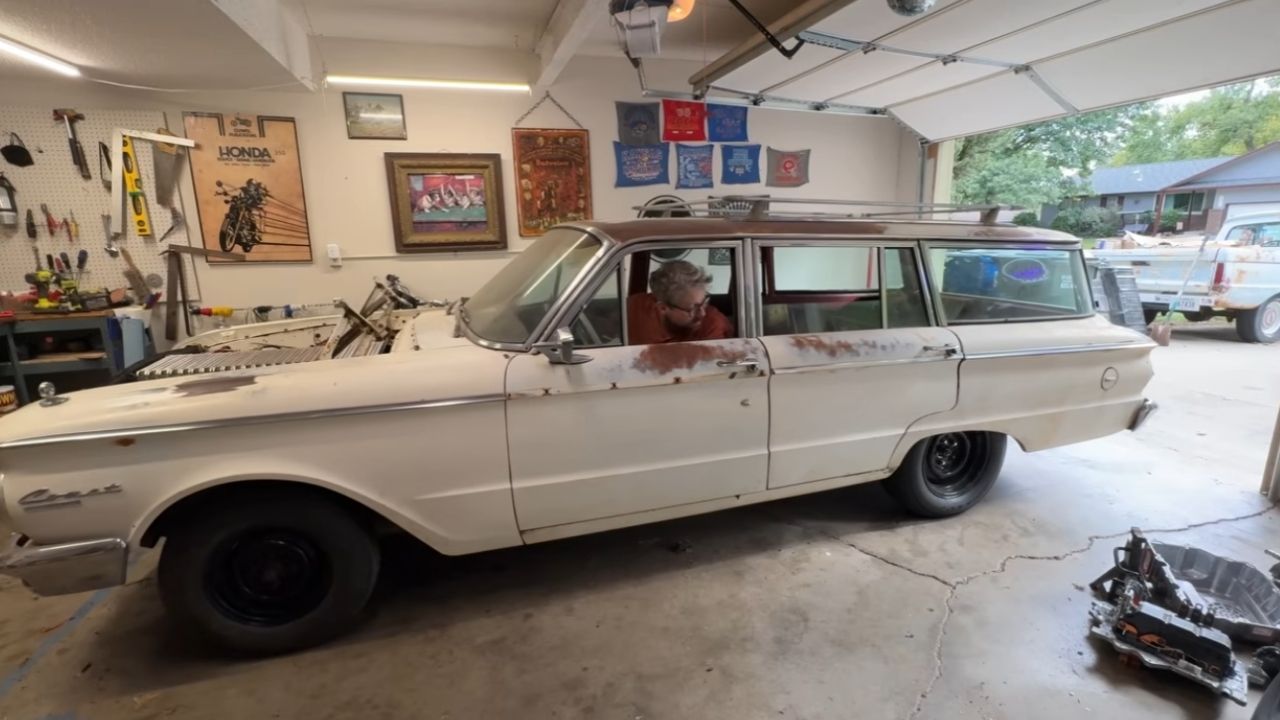
Man Revives 1962 Mercury Comet with Parts from a Damaged Nissan Leaf, Achieving Electric Conversion for Under $6,000

-
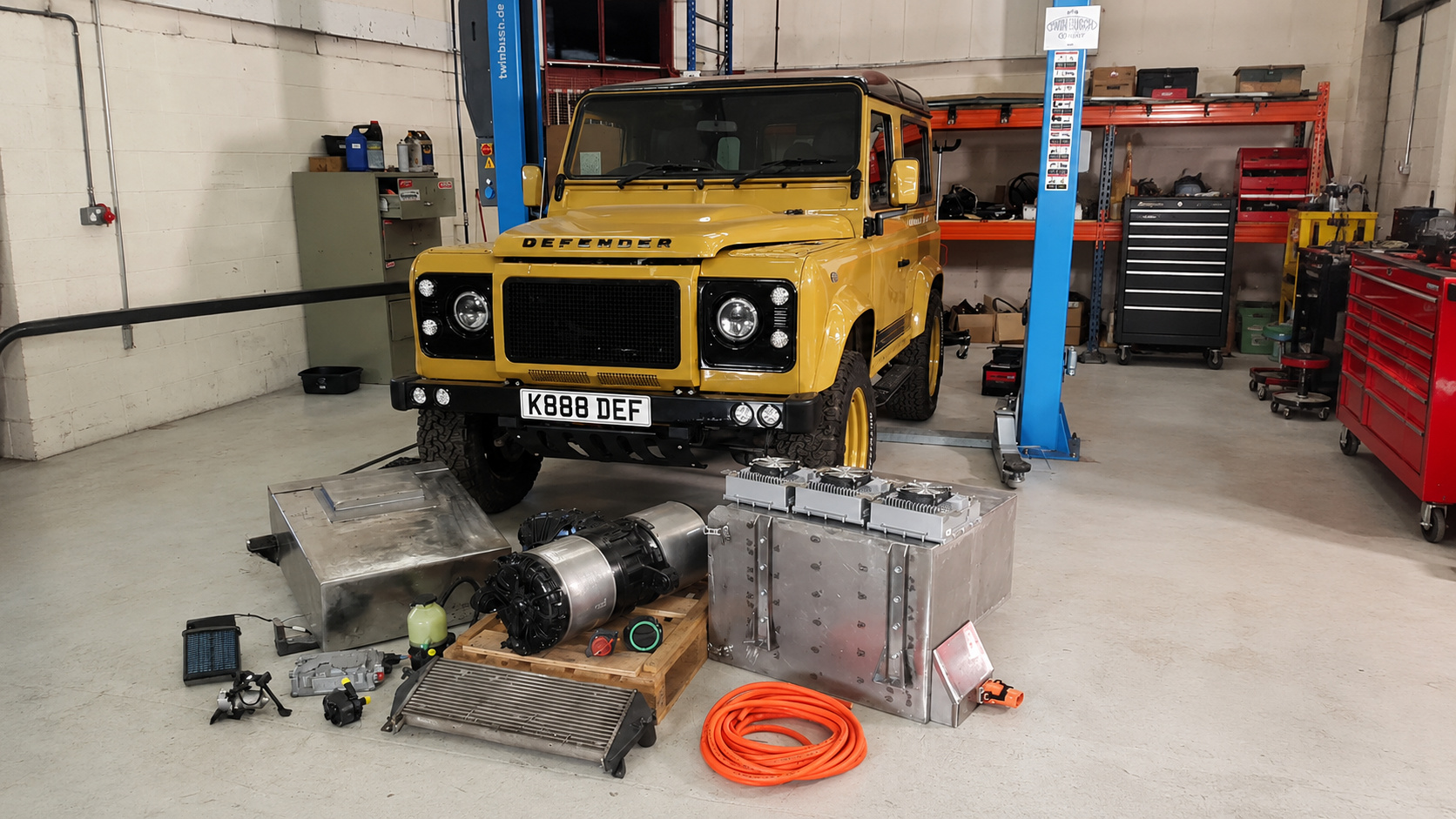
British Mechanics Convert Classic Land Rover Defender to Electric, Maintaining Original Look with 483 Horsepower and 75 kWh Battery

-
Chevrolet Onix Turbo AT 2020: Affordable Used Hatchback with Turbo Engine, Automatic Transmission, and Six Airbags
-
Rolls-Royce Turns Heads with 30-Inch Floating Wheels, 6.6-Liter V12 Engine, and 563 Horsepower


The interest rate used in the simulation was 1.8% per month, a value that may vary depending on the customer’s score and the financial institution’s conditions.
In this case, the installments were fixed at R$ 2,278 per month. At the end of three years, the total amount paid would be R$ 122,031, with R$ 22,041 of this amount corresponding solely to interest.
The percentage of interest, relative to the total amount paid, was 18%.
This result shows that, even in a relatively short term, interest has a significant impact. Nevertheless, the shorter the financing period, the lower the total value of interest paid.
Financing in 4 Years: More Installments, More Interest
In the second scenario, the same down payment of R$ 40,000 was maintained, but the financing term was extended to 48 months.
As a result, the monthly installments were R$ 1,877. The total amount to be paid at the end of the four years increases to R$ 130,098.
Of these, R$ 30,108 are solely interest — which represents 23% of the total disbursed.
The reduction in the monthly installment compared to the three-year plan may be more comfortable for those with tighter budgets. However, the amount of interest increases considerably.
This difference is explained by the financing period. The longer the term, the higher the final interest amount, even with lighter installments.
Financing in 5 Years: Smaller Installment, Higher Cost
The third and final simulated scenario involved financing in 60 installments, that is, five years.
With this option, the monthly installment drops to R$ 1,643, the lowest of the three scenarios.
However, the total financing cost rises to R$ 138,594. Of this amount, R$ 38,604 corresponds solely to interest, representing 28% of the total amount paid.
The logic remains: the longer the term, the smaller the installment, but the higher the final cost.
For those who need to reduce the monthly installment to fit into their budget, this may be the way out. But at the same time, it is important to be aware of the total amount disbursed in interest over the years.
Amortization as a Strategy to Pay Less Interest
In addition to the simulations of installments and terms, the video highlights the importance of amortization.
Amortizing means anticipating future installments, starting with the last ones of the contract — which concentrate most of the interest.
In the example of financing in 60 installments, if the buyer chooses to amortize starting in the first month, the amount of this amortization would be around R$ 560 to R$ 570.
As a result, the client could save more than R$ 1,000 in interest over time.
Amortization, therefore, is an effective way to reduce the total cost of financing, especially when done in the early months of the contract.
This strategy is valid for any of the simulated terms and can be adopted according to the buyer’s financial availability.
Tips for Those Who Are Going to Finance
The main advice is to make simulations before closing the contract.
Understanding how much can be paid per month and comparing the final costs in each scenario helps make a more advantageous decision.
Additionally, monitoring the credit score and checking the conditions offered by different banks can help obtain lower interest rates.
It is also worth remembering that the rate of 1.8% used in the simulation is not fixed. It can vary greatly and should be confirmed at the time of contracting.
In the end, financing a car involves more than just choosing the model. Knowing how much is paid, how much is interest, and how to reduce that impact can make all the difference in your budget.
The video from the Pipoco Investidor Channel shows, in practice, how the numbers change with each decision. It reinforces that the buyer needs to analyze well before closing a deal.