





 Portuguese
  English
  Spanish
  3 min of reading
  0 comments


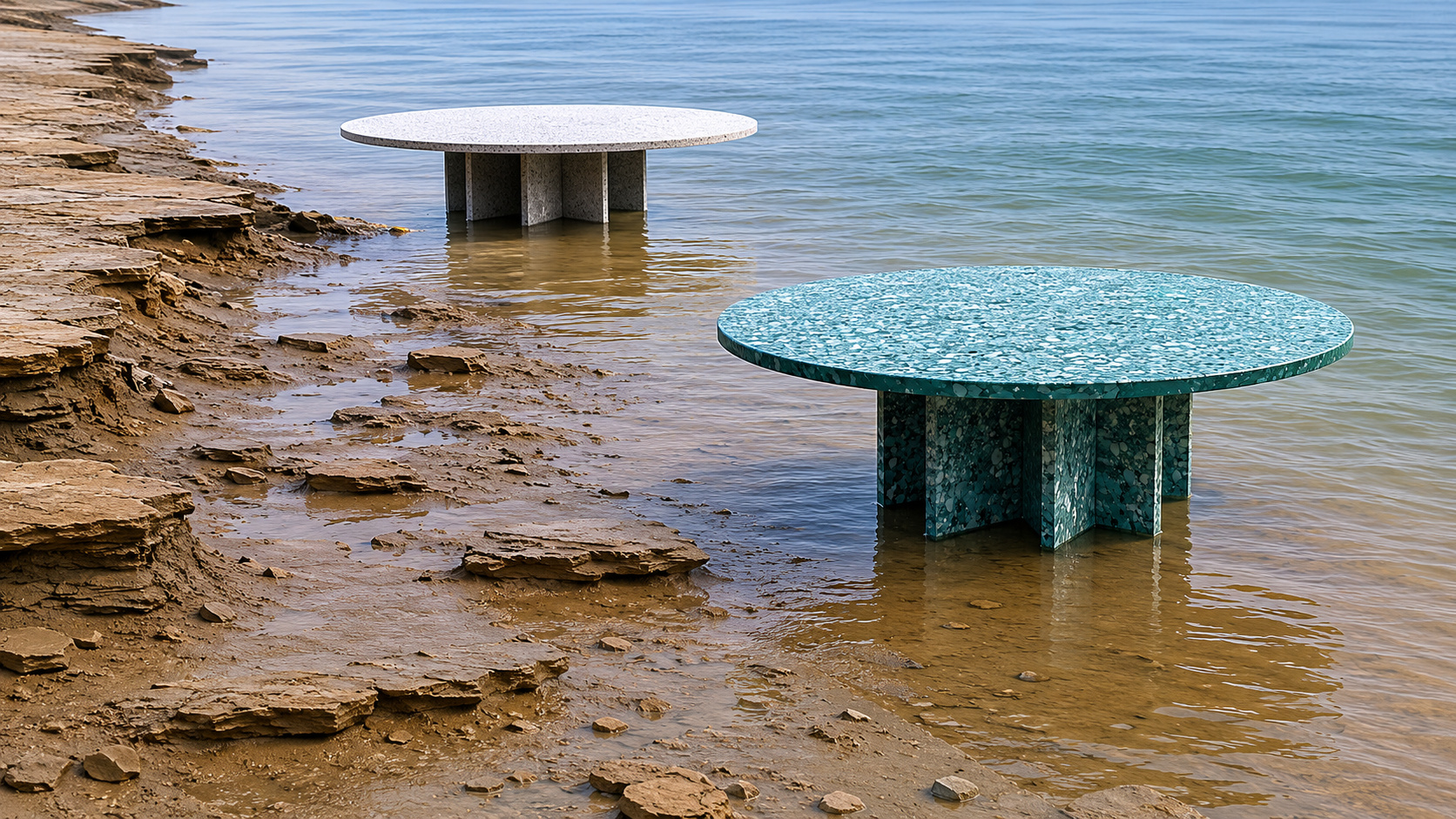
Waste once seen as a problem gains a new function, becomes a construction material, and shows how architecture can reduce environmental impacts
A recent proposal with significant environmental impact was developed by the Chinese studio Bentu Design, located in Guangzhou, China. The project transforms aquaculture waste into ceramsite, a material known as expanded clay, and repurposes fish pond sludge in the production of sustainable ceramic panels. The initiative uses alkali-activated geopolymer technology, eliminates the need for high-temperature firing, and reduces energy consumption compared to traditional ceramics. This movement demonstrates how a difficult-to-manage waste can gain value in the construction industry, returning to the production chain with a new architectural function.
Technology reveals an alternative to traditional ceramics
The change arises from the use of alkali-activated geopolymers and, therefore, alters an important stage of ceramic production. After all, the technique eliminates the need for firing at high temperatures, a process associated with high energy consumption. Furthermore, the method reduces carbon emissions and strengthens the proposal for low environmental impact. The project considers that repurposing sludge can offer an alternative more aligned with the circular economy. However, the material’s viability depends on the ability to expand its application in architectural surfaces.
Pearl River Delta inspires circular solution
The initiative originates from the Pearl River Delta in China, where the old system of mulberry and fish farming operated in an integrated and circular manner. In this model, the different activities fed each other and maintained a balance between agricultural production and aquatic farming. With the intensification of industrial aquaculture, this cycle was broken, and large volumes of sediments began to accumulate in the ponds. These sediments, rich in nutrients and contaminants, started to require solutions for reuse or disposal.
-
Giant pavers that spread, compact, and mold concrete in a single pass allow for the construction of up to 5 km of road per day in the United States, creating a continuous and seamless slab that lasts for decades and withstands heavy truck traffic.

-
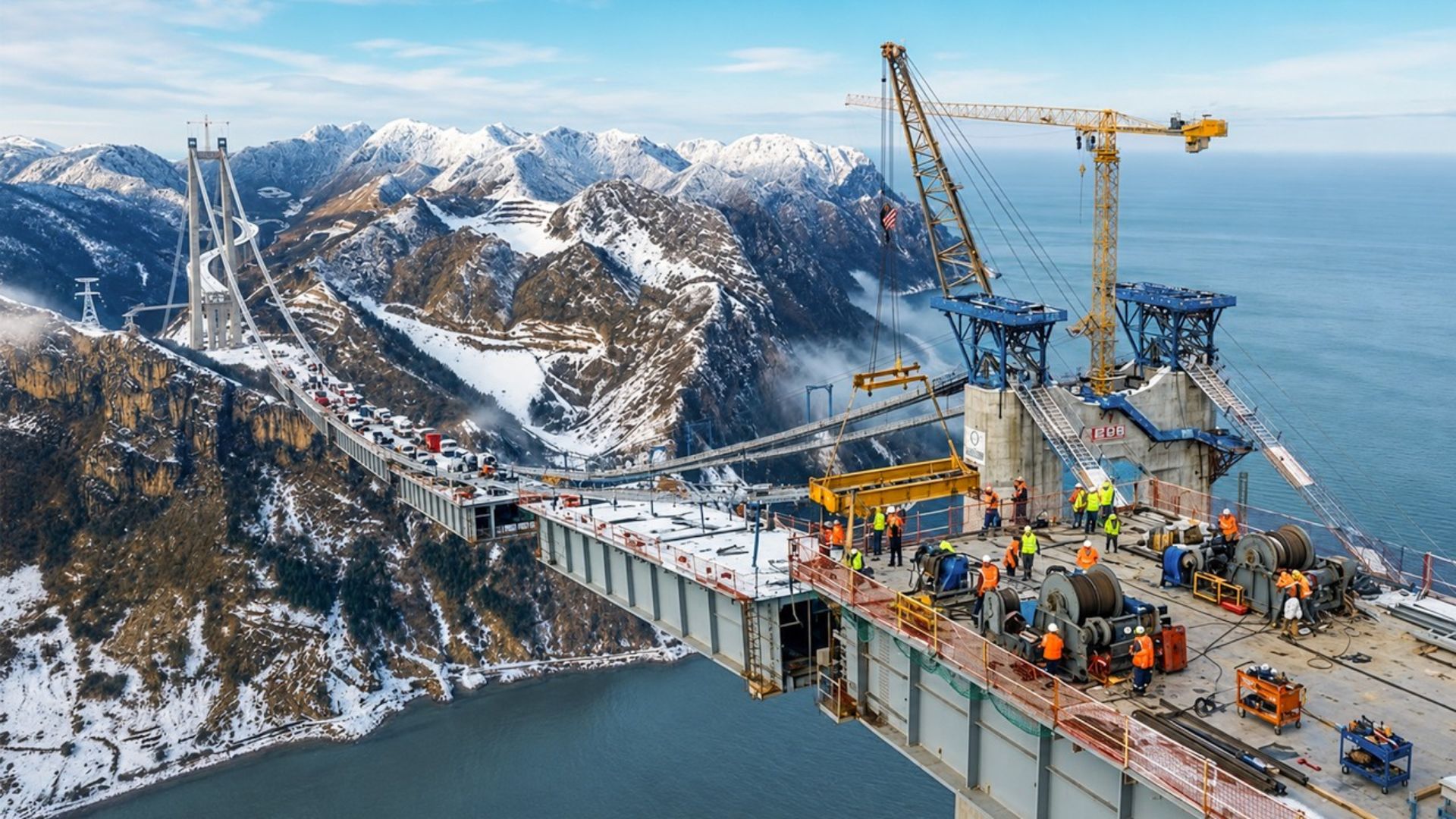
Suspended almost 200 meters above a frozen fjord, the Hålogaland Bridge transformed travel in northern Norway by replacing a winding and dangerous road with a crossing of just a few minutes, an engineering feat built under heavy snow and Arctic storms.
-
Giant beams weighing almost 16 tons and 20 meters long will be hoisted by a large crane in a city in Santa Catarina this Friday. The mega project, costing 27 million reais, will directly benefit more than 114,000 residents when completed.
-
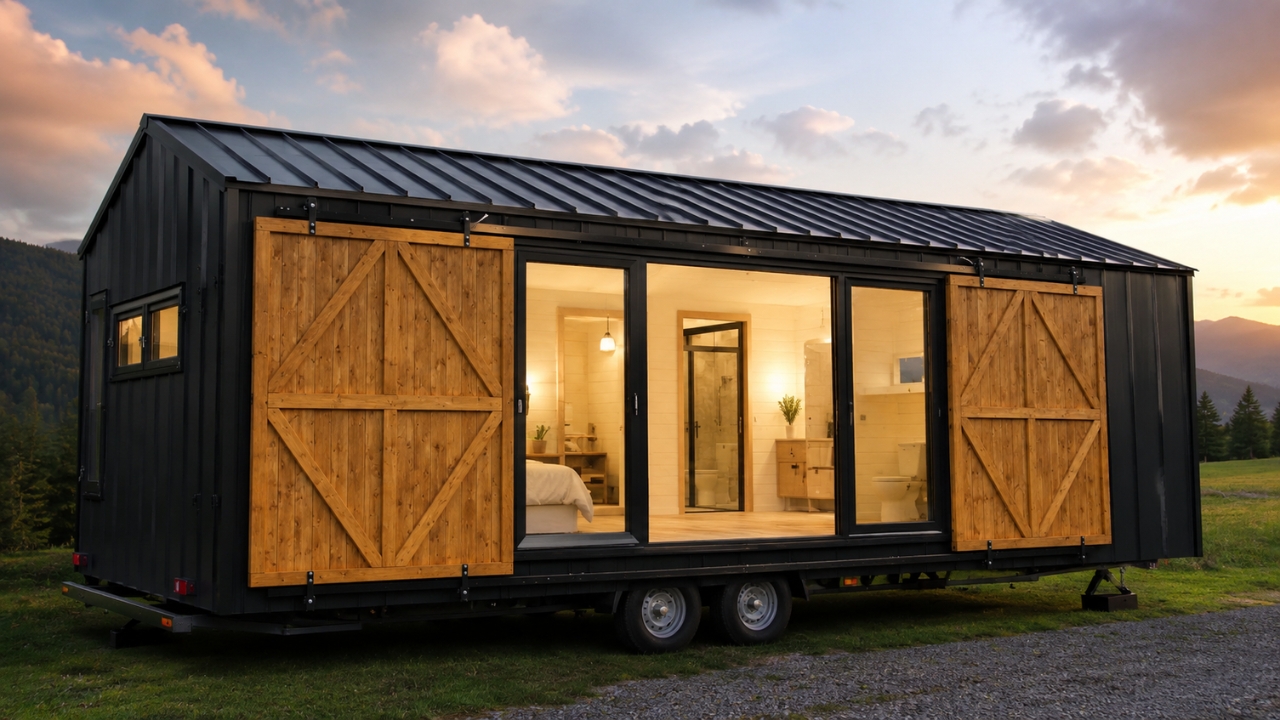
House on wheels with the look of an apartment surprises by swapping cramped spaces for two bedrooms, a spacious living room, a full bathroom, and a ground floor layout in just 35 m² designed for real living.




Pond sludge gains value in the construction industry
Although the material is usually treated as difficult-to-manage waste, the project investigates ways to scale and make its use viable. The sludge becomes incorporated into construction processes and, consequently, gains value as a raw material. This new use opens up possibilities for architecture more aligned with low environmental impact. The reuse also shows that the construction industry can absorb previously discarded materials, provided they are redefined within the production chain.
Circular economy reorganizes the role of waste
Currently, Bentu Design seeks to reintegrate this material into the construction chain. The goal is not only to reuse the sludge but also to give it a new presence on architectural surfaces. Thus, the project proposes a broader perspective on disposal, raw material, and restart. This dynamic demonstrates that aquaculture waste can cease to represent a final problem and become part of new productive cycles.
The future of sustainable materials in architecture
Designers responsible for the project assess that waste should not be seen only as the end of a process. The possibility of transforming pond sludge into ceramic panels broadens the debate on sustainable materials and low-impact construction. Meanwhile, the proposal reinforces the importance of rethinking the relationship between industrial aquaculture, disposal, and architecture.
In this scenario, can previously discarded waste become the protagonists of a more sustainable construction industry in the coming years?






Be the first to react!