Portuguese
  Spanish


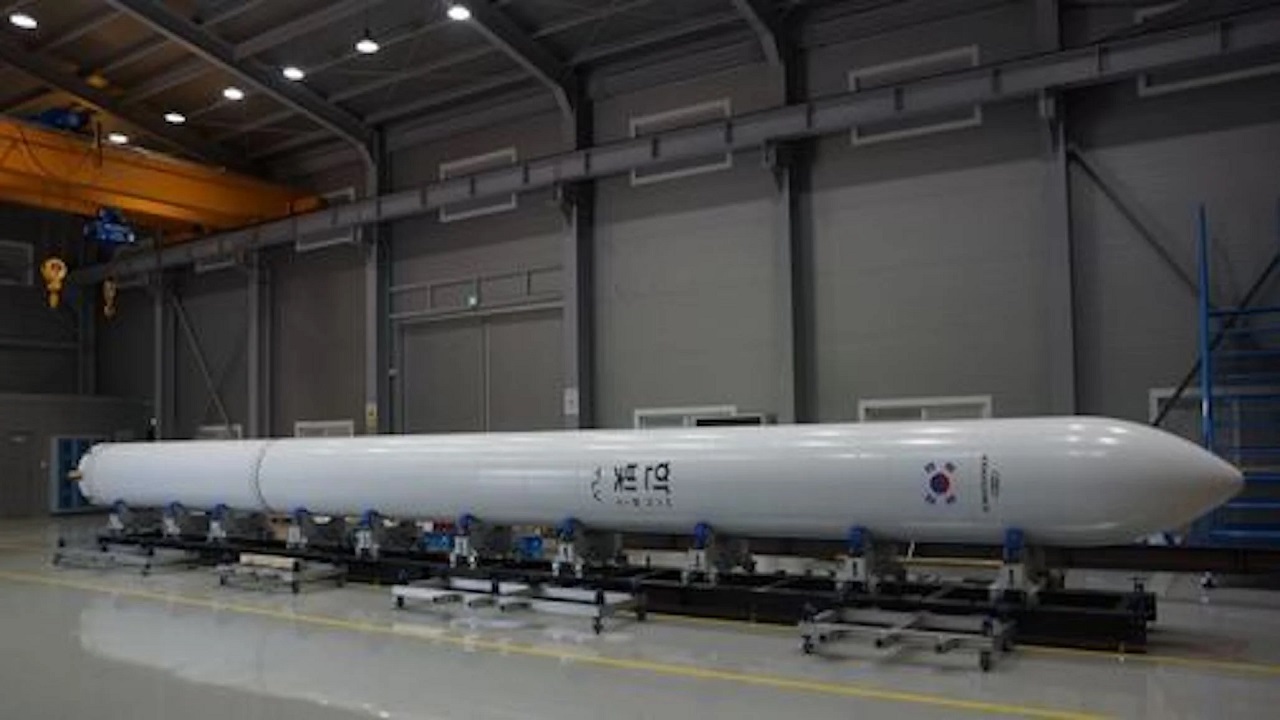

INNOSPACE Plans To Launch A Rocket That Arrived In Maranhão Last Week Through The Alcântara Launch Center. The Rocket Weighs 8.5 Tons And Was Transported To The Site By Two Trucks.
The global logistics operator, AGS, was responsible for transporting a very important cargo from South Korea to Brazil. It is a rocket from the company INNOSPACE, from South Korea, which will be launched later in December at the Alcântara Launch Center (CLA) in the state of Maranhão. The cargo departed from the largest airport terminal in South Korea, Incheon International Airport, located in the Seoul Metropolitan Area, and arrived at São Luís International Airport last Saturday, the 3rd.
INNOSPACE Rocket Weighs 8.5 Tons
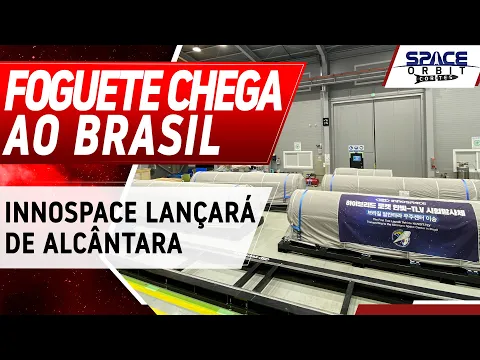

The rocket was transported aboard a chartered flight on a Boeing 747-400F cargo aircraft, with a capacity of approximately 130 tons. This unprecedented operation by AGS marks a historical milestone in cargo activities at the Maranhão airport, managed by CCR Airports.
Called HANBIT-TLV, the INNOSPACE rocket is 16.3 meters tall, 1 meter in diameter, and weighs 8.5 tons. However, the logistics operator’s work began long before the rocket’s transport, which is destined for the Alcântara Launch Center.
-
She spent 73 years breathing inside an iron lung, survived the aftereffects of polio, and became the last woman in the United States dependent on the equipment before dying at 78 years old.

-
Brazilian students created a $1 filter using pine bark, cotton, and 3D-printed parts to clean cassava wastewater, reduce the toxicity of a hazardous waste, and transform contaminated water into biofertilizer.

-
Astronaut from Artemis II steps down after mission to the Moon and decision surprises after a record of 406,771 km, a historic 10-day journey, and an unprecedented achievement for Canada.

-
A fossil kept for years in a small museum in Montreal concealed 450-million-year-old soft tissue, a discovery that has only happened once before in history.


According to AGS Group CEO Alexandre Gulla, the company was responsible for activities ranging from inspection of the cargo on-site at the INNOSPACE factory in South Korea, to packing procedures, receiving it at the South Korean airport, customs clearance alongside local authorities, and planning and indicating options for chartering the flight.
When the rocket arrived in Brazil, the operator’s teams also performed the unloading, using depalletization of the pieces and their own equipment. The company was also responsible for the road transport via trucks, including ferry crossing, with escort to the Alcântara Launch Center.
AGS Uses Two Trucks To Transport INNOSPACE Rocket In Maranhão
All procedures involving the national and international insurance of the cargo were also the responsibility of AGS. The executive emphasizes that, in summary, this was a door-to-door operation by the company and that all work, from collecting the rocket to complete unloading at the Alcântara Launch Center, was done in less than 40 hours.
The executive further emphasizes that some components of the rocket required a controlled temperature during transport. The concern in Korea was the very low temperature. Thermometers in the country recorded -10 ºC and in Brazil 30 ºC.
Throughout the entire time, including during the flight, the company had to stay alert regarding the temperature. To perform the road transport from São Luís Airport to the Alcântara Launch Center, the operator used two trucks, one open and another of the refrigerated box model.
INNOSPACE Plans To Launch Rocket From The Base In Maranhão
Gulla states that it is an honor for the company to be part of this project, which was completed successfully, thanking the entire logistics operator team that participated in the project and, especially, INNOSPACE, which trusted its work and gave the chance to be involved in this special and important operation for Brazil and for Koreans.
The company’s operation in Alcântara, Maranhão, has an experimental character and the aim of the company, which will be the first private company to launch a rocket from the Brazilian base, is to send its satellites from launch centers around the world at more affordable costs.