Portuguese
  Spanish


Analysts from Expana and Argus Media predict that the corn area in the European Union will fall to less than 8 million hectares in 2026, an unprecedented mark this century. The increase in fertilizer and energy costs caused by the war in the Middle East discourages European farmers who are migrating to crops like sunflower in search of more favorable margins.
Corn is losing ground in Europe‘s fields at a pace not seen in decades. According to experts from Expana and Argus Media, the planted area in the European Union is expected to fall to less than 8 million hectares in 2026, the first time this century that the crop breaks this barrier. The main reason is the surge in fertilizer and energy costs caused by the war in the Middle East, which has made corn production more expensive precisely at a time of already tight margins and increasing climate risks.
Corn is one of the most fertilizer-intensive crops, and in Western Europe, it usually needs to be dried after harvest, generating additional energy costs. With the prices of these two inputs on the rise, many European farmers are doing the math and concluding that alternative crops like sunflower offer superior financial returns with lower operational risk. The combination of expensive fertilizers, recurring droughts, and drying costs is reshaping the continent’s agricultural map.
Why Fertilizers Became More Expensive and How This Affects Corn
According to information released by CNN Brasil, the rise in fertilizer prices in Europe stems directly from the war in the Middle East. The conflict pressured global oil and natural gas markets, essential raw materials for the production of nitrogen fertilizers. With more expensive gas, the cost of manufacturing fertilizers increased and was passed on to farmers, who now face a significantly higher input bill than in previous years.
-
Brazilian Farmers with Basic Education Create Backyard Machines That Win National Invention Contest, Beating 242 Projects

-
Brazilian Farm Innovates with Cage-Free Chickens, Producing 3,300 Odorless Eggs Daily

-
From Selling Unsold Saplings to Creating Brazil’s Most Awarded Olive Oil Brand with 330 Accolades and a $12 Million Goal by 2026
-
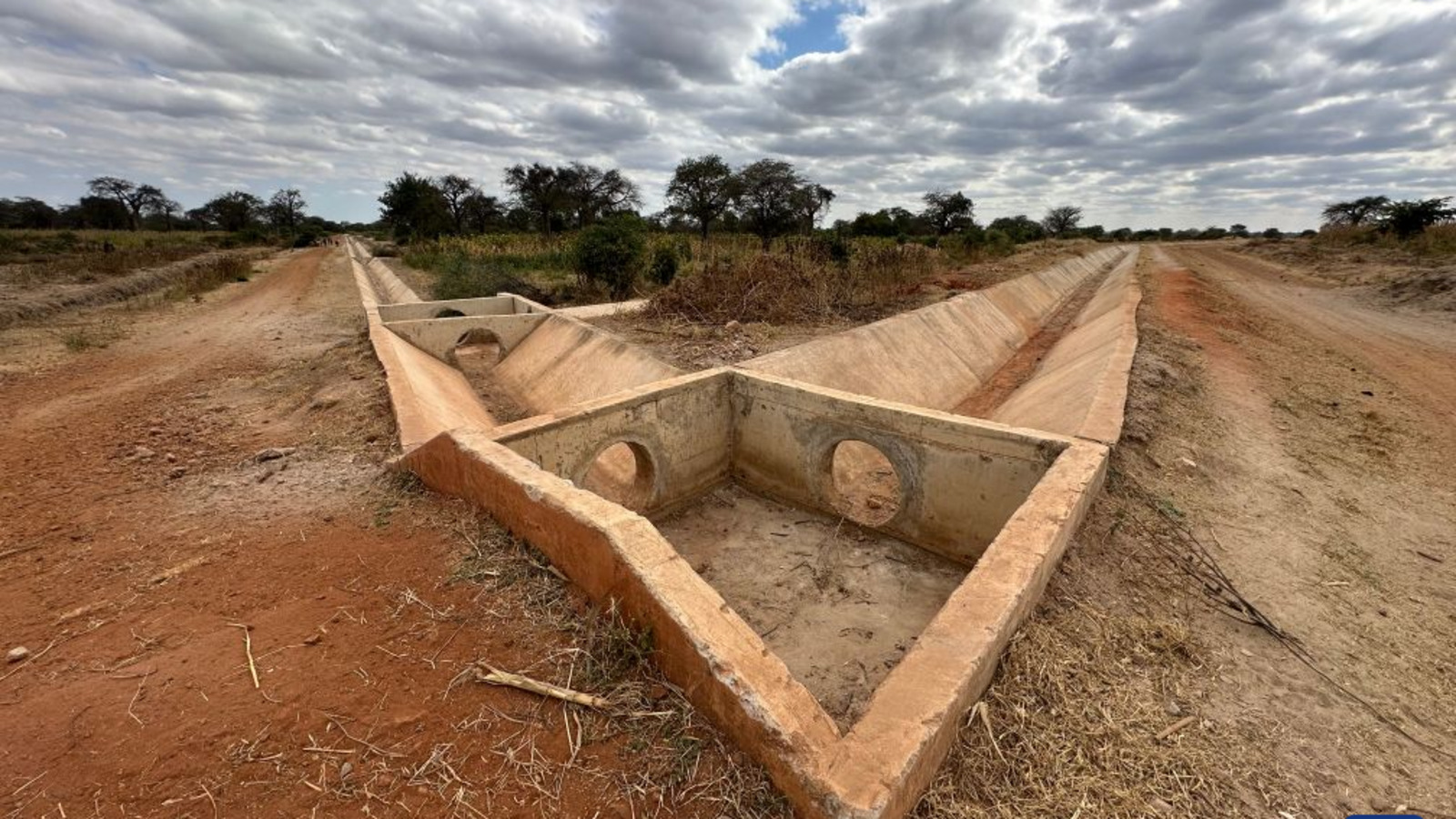
China Builds 400-Hectare Irrigation System in Tanzania to Aid 1,000 Families Dependent on Rainfall


The impact is disproportionate on corn because the crop requires high volumes of nutrients per hectare. While other crops can operate with smaller doses of fertilizers without a proportional loss in yield, corn responds directly to fertilization, and reducing application means harvesting less. For the European producer, this creates a dilemma: spend more to maintain productivity or reduce the planted area and migrate to crops less dependent on expensive inputs.
What is Happening in France, Europe’s Largest Corn Producer
France, the main corn producer in the European Union, is where the area migration is most evident. The AGPM producers’ group predicts that the grain corn area may decrease by 10% to 15% this year, representing a loss of about 200,000 hectares. French farmers are directing part of this area to oilseeds like sunflower, which offers better margins and requires less spending on fertilizers.
A period of drought helped producers advance in planting the remaining corn, with 56% of the area sown by last Monday, above the five-year average. However, the forecast for the return of rains in early May will be important for the initial growth of the plants. The paradox is that, despite planting progressing at a favorable pace, the total area is shrinking because the decision to reduce corn was already made even before the seeds went into the ground.
How Other European Countries Are Responding to the Cost Crisis
The response varies according to the agricultural structure of each country. In Poland, the grain corn area is expected to slightly decrease to about 1.25 million hectares, down from 1.3 million last year. According to analyst Wojtek Sabaranski from Sparks Polska, the lack of planting alternatives and the recent strength of corn prices limit the reduction, despite the pressure from more expensive fertilizers.
Germany goes against the grain. The country’s association of agricultural cooperatives predicts that **corn** grain sowings will increase by 3.5%, to 507 thousand **hectares**. The explanation is that many German farmers bought fertilizers in advance, before the start of the war, and were not affected by the price increase for the current harvest. Those who need additional supplies, however, will feel the impact on costs, signaling that the effect of the **war** on European planting could be even greater in 2027.
Sunflower as an alternative and what this means for the grain market
The migration of area from **corn** to **sunflower** is not just an individual financial decision. It has the potential to alter the balance of grain supply and demand in Europe, reducing the availability of **corn** for animal feed and industrial use while increasing oilseed production. If the trend consolidates in the coming years, importers who depend on European **corn** will need to seek supply in other markets.
For Brazil, which is one of the world’s largest **corn** exporters, the reduction in European area could represent a commercial opportunity. The drop in grain production in Europe tends to open space for Brazilian and American exports to compensate for the deficit, especially if the **war** in the Middle East continues to pressure **fertilizer** and energy costs on the continent. The scenario reinforces the interconnection between geopolitical conflicts and the tables of those who consume food thousands of kilometers away.
Do you think the migration from corn to sunflower in Europe will affect grain prices in Brazil, or will the impact be restricted to the European market? Tell us in the comments what you think about the war’s influence on agricultural costs and if you notice any reflection on food prices in your region.