One of the most well-known addresses in the upper part of Rua Conde de Bonfim may leave behind decades of degradation. The land of the former Carrefour da Usina was purchased by Direcional and is expected to become a large-scale residential development.
The land that housed a former Carrefour unit in the Usina region, in Tijuca, North Zone of Rio de Janeiro, is expected to gain a new purpose after being closed for almost two decades. According to Diário do Rio and Agenda do Poder, the property was sold to the construction company Direcional, which plans to build a residential condominium with approximately 600 residential units distributed across 10 blocks.
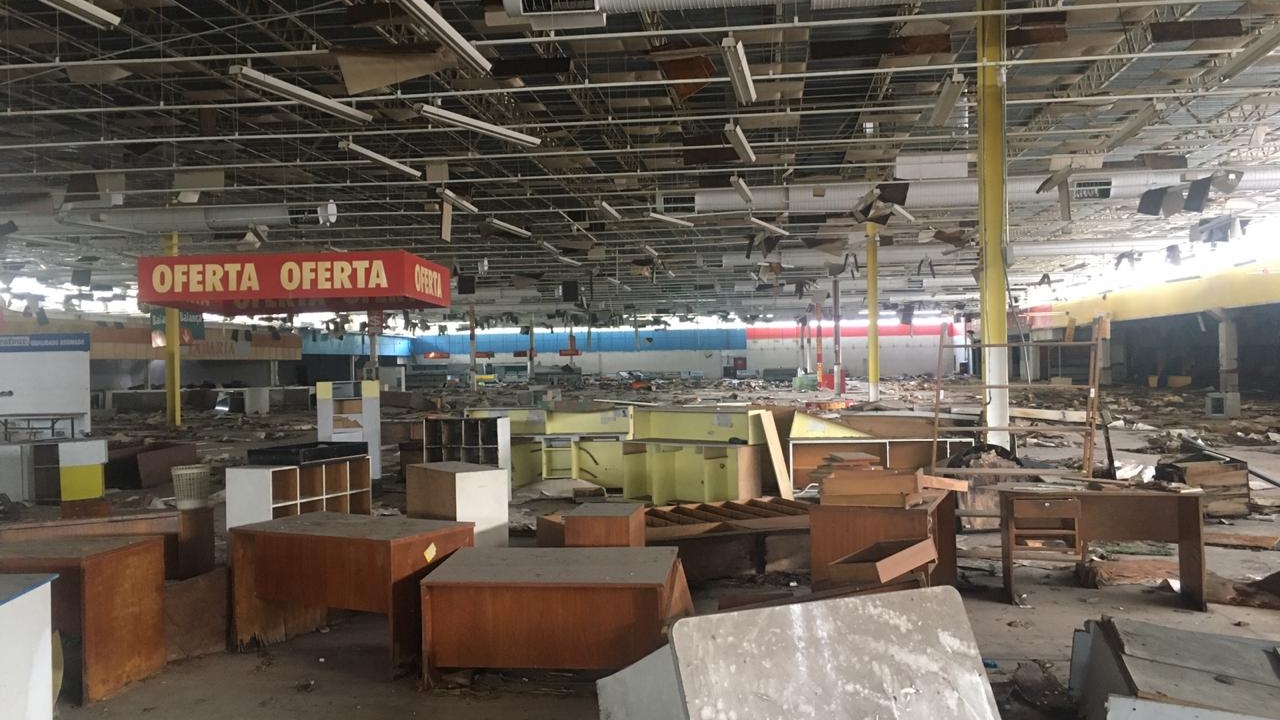
The number draws attention because it transforms a building known for abandonment into a significant change in the upper part of Rua Conde de Bonfim. Built in 1997 by the Carrefour Group, the former supermarket has been inactive since February 2005.
A closed supermarket became a symbol of abandonment in Usina
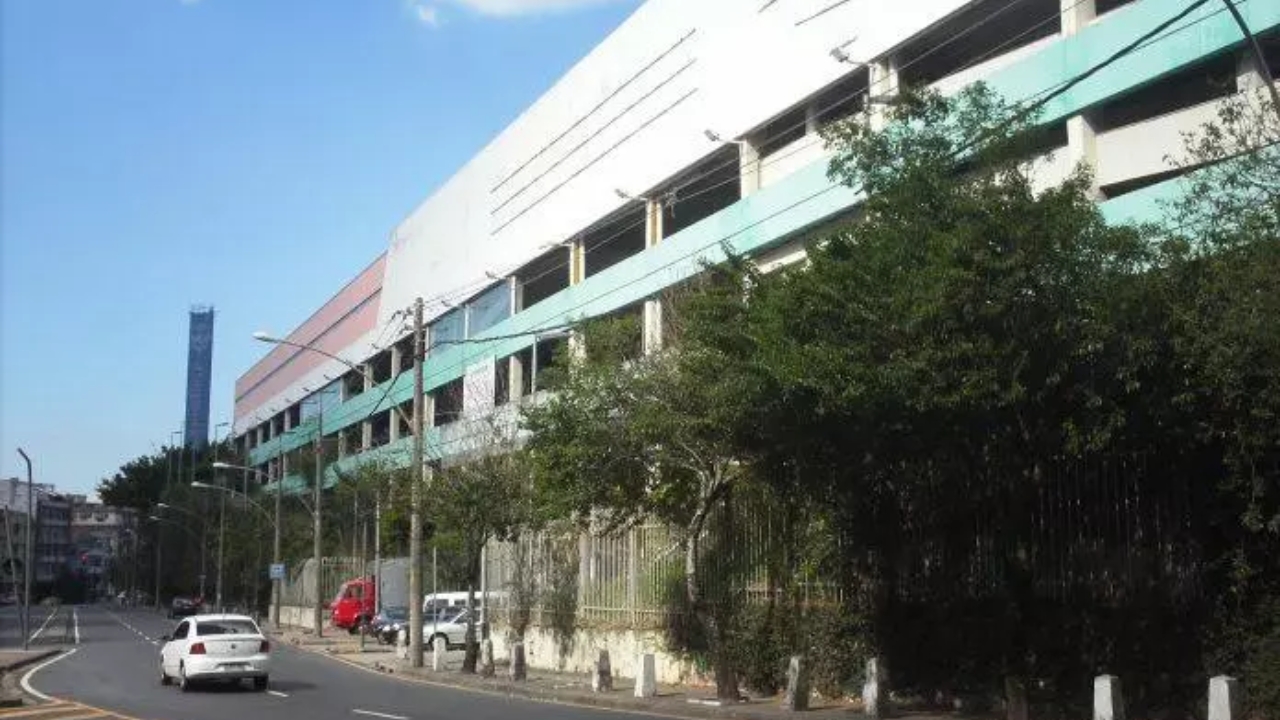
The property is located at Rua Conde de Bonfim, 1181, on the way to Alto da Boa Vista. According to Diário do Rio, the former unit had about 3,000 square meters and ceased operations amid the violence that affected that part of Tijuca in the 2000s.
-
Shopee Turns Instagram Posts and Reels into Shopping Showcases, Allowing Creators to Tag Products and Earn Commissions

-
Electrolux to Close Hungarian Refrigeration Plant by 2026, Impacting Over 600 Jobs

-
Brazilian Workers May See FGTS Profit Deposited by August 31, But Funds Aren’t Freely Withdrawable: Over R$14.2 Billion Distribution Awaits Council Decision, Aims to Counter Inflation, Surprising Workers with Balance Increase Without Immediate App Withdrawal

-
Brazilian Congress Moves to End 6-Day Workweek, Sparking Industry Concerns Over Competitiveness and Costs


Reports from the time, mentioned in the consulted sources, indicate that shootings and episodes of looting at the supermarket contributed to the store’s closure. The proximity to the Borel and Indiana communities helped transform the unit into an example of how insecurity can alter a neighborhood’s commercial routine.
After that, the building ceased to be just an old shopping point. Over the years, it came to represent an idle area, with no defined use and successive unsuccessful attempts at repurposing.
Sale to Direcional changes idle area since 2005
The new phase begins with the sale of the land to Direcional, a construction company known for working on popular housing developments. According to Diário do Rio and Agenda do Poder, the project for the area includes about 600 units in 10 blocks.
The Direcional Group claims to operate in construction and incorporation with a focus on popular housing. This profile helps explain the type of project announced for the former Carrefour land.
There are still no public details about the trade name, apartment sizes, prices, parking spaces, schedule, or start of construction in the information gathered. For now, the most concrete data is the intention to transform an abandoned property into housing.
The ITBI Impasse That Halted a Previous Sale
Before Direcional’s arrival, the property had already been the target of other attempts. One of them occurred in 2009, when a negotiation with Realesis Holding S.A. was estimated at around R$ 14 million.
The operation ended up involved in a dispute over the ITBI charge. The case appears in Decision No. 14,727 of the Taxpayers’ Council of the Municipality of Rio de Janeiro, which analyzed the charge related to the promise of sale of the property.
The document shows the difference in values. The value declared by the buyer was R$ 14 million, while the ITBI calculation base reached R$ 99.27 million. Later, a technical assessment pointed to R$ 96.12 million. This fiscal conflict helps explain why the building remained stalled even after previous negotiations.
From Possible BOPE to Covid Center, Plans Fell Through
The former Carrefour da Usina was also remembered in different proposals. According to Diário do Rio, the State Government even considered expropriating the area to install a BOPE unit, but the idea did not advance.
At another time, the property appeared in a proposal linked to the creation of a care center for Covid-19 patients. The initiative ended up being shelved. In practice, the building accumulated plans that did not materialize, while it remained without a clear urban function.
This sequence reinforces the weight of the current sale. What once seemed like a land stuck in the past now returns to public debate with a project capable of reintegrating the area into Tijuca’s residential dynamics.
Occupations, Trash, and Operation with Over 100 People
The abandonment also opened space for occupations. In January 2025, an operation involving the Subprefecture of Greater Tijuca, Municipal Guard, Comlurb, and police officers from the Tijuca Battalion found more than 100 people in the old building.
According to Diário do Rio, there were no arrests, and the occupants were instructed to leave the site. The action also removed two car carcasses and about 20 tons of accumulated garbage.
Sources also report that the accesses used by occupants included the back part of the land, an area that borders the Tijuca Forest.
Case Goes Beyond a Sold Land
The story of the former Carrefour in Usina is not just about the change of ownership of a property. It involves the closure of a supermarket, urban insecurity, tax disputes, abandoned public proposals, invasions, accumulated garbage, and now a housing project with 600 units.
If it comes to fruition, the Direcional condominium will mark a turnaround at an address that has been associated with abandonment for almost 20 years. The case shows how forgotten plots in established areas can carry much more than old concrete: they reveal disputes, delays, urban vulnerabilities, and the difficulty of transforming stagnant spaces into a real solution for the city.