






 Portuguese
  Spanish


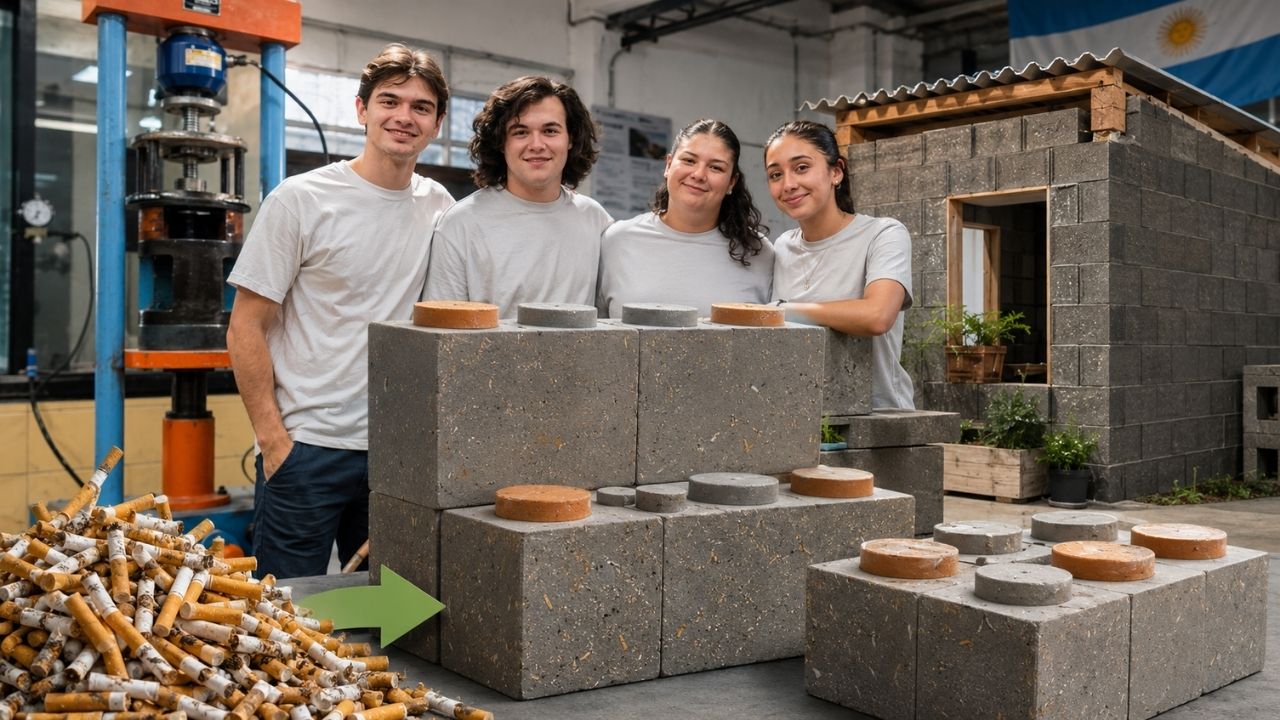

Finalist of Samsung Solve for Tomorrow in 2024, the Bastet Haus was created by Argentine students from the Adolfo Pérez Esquivel National School. According to the program, the ecological bricks use cellulose extracted from treated cigarette butts, have modular interlocking, reduced more than 50% of cement, and cost about half of the conventional ones.
The ecological bricks developed by students from Argentina transform cigarette waste into interlocking blocks for house construction. The Bastet Haus project, a finalist of Samsung Solve for Tomorrow in 2024, combines recycling, engineering, and cost reduction in a prototype aimed at affordable construction.
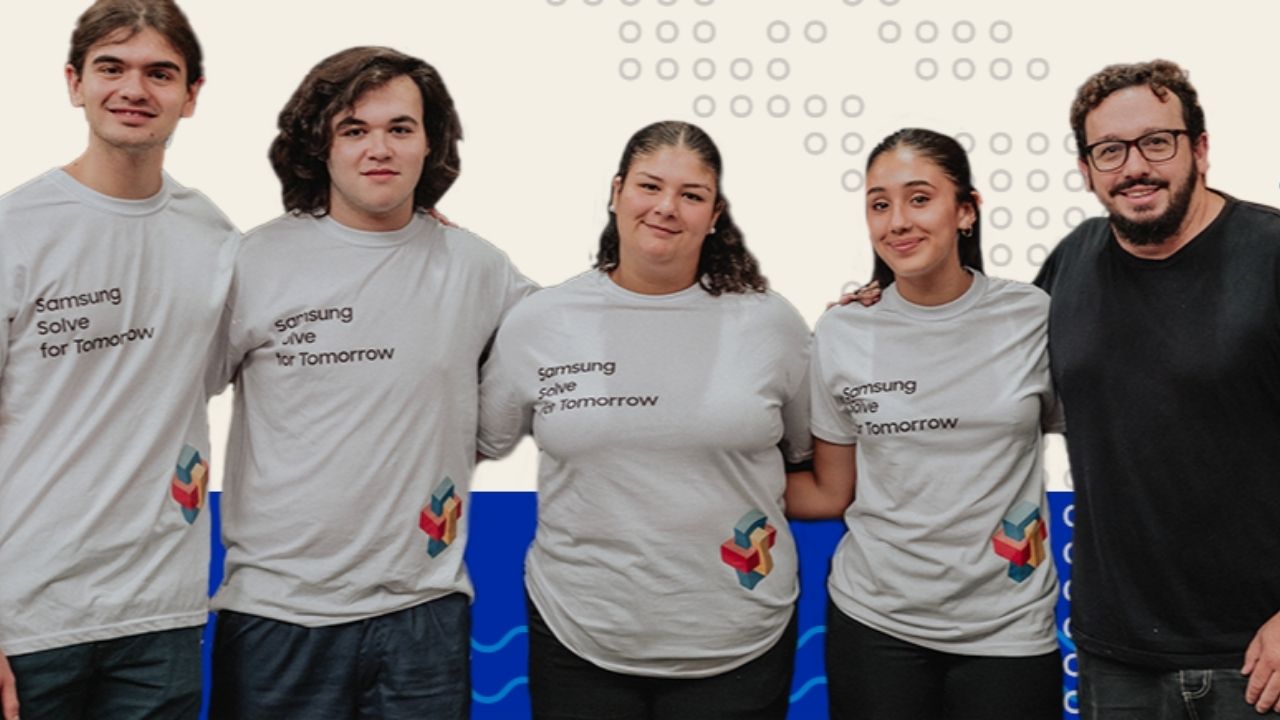
The proposal was developed by fifth-year high school students from the Adolfo Pérez Esquivel National School in Buenos Aires, under the guidance of Professor Agustín Pascua. The material is based on cellulose extracted from treated cigarette butts and uses an interlocking format, similar to building blocks, to facilitate module execution.
Project was born within a STEM program
The Bastet Haus was presented at Samsung Solve for Tomorrow, a program that encourages Science, Technology, Engineering, and Mathematics projects in Latin American schools. The initiative appears as a finalist for 2024 in Argentina, Paraguay, and Uruguay, within an educational proposal linked to real problems.
-
For the First Time, Scientists Extract Ancient Human DNA from Cave Art, Revealing Insights into Prehistoric Cave Dwellers

-
Australian Teen Invents Device to Simultaneously Purify Water and Generate Electricity Using Sunlight

-
Indian Student Designs Bamboo Houses with Floating Blocks and Recycled Bottles for Flood-Prone Areas; University of Texas Project Aims for Sustainable Housing in Vulnerable Communities

-
Scientists Hatch First Chicks in Shell-less Artificial Eggs, Paving Way for Research on Endangered Birds



The project is not just about symbolic recycling. The central idea is to transform a difficult-to-reuse urban waste into a construction material with practical function, tested in the laboratory and designed for simple assembly.
Butts underwent treatment before mixing
The cigarette butts were not used directly as waste mixed with cement. According to the program material, cellulose was extracted from the cigarette ends, following a process linked to the previous Collisafe project, winner of Solve for Tomorrow in 2022 in the same countries.
In this process, the butts were sealed in a container with the fungus Pleurotus ostreatus, known as oyster mushroom. In 25 days in the dark, the toxic substances decomposed, allowing the cellulose to be reused in a new development stage.
Ecological bricks were tested in the laboratory
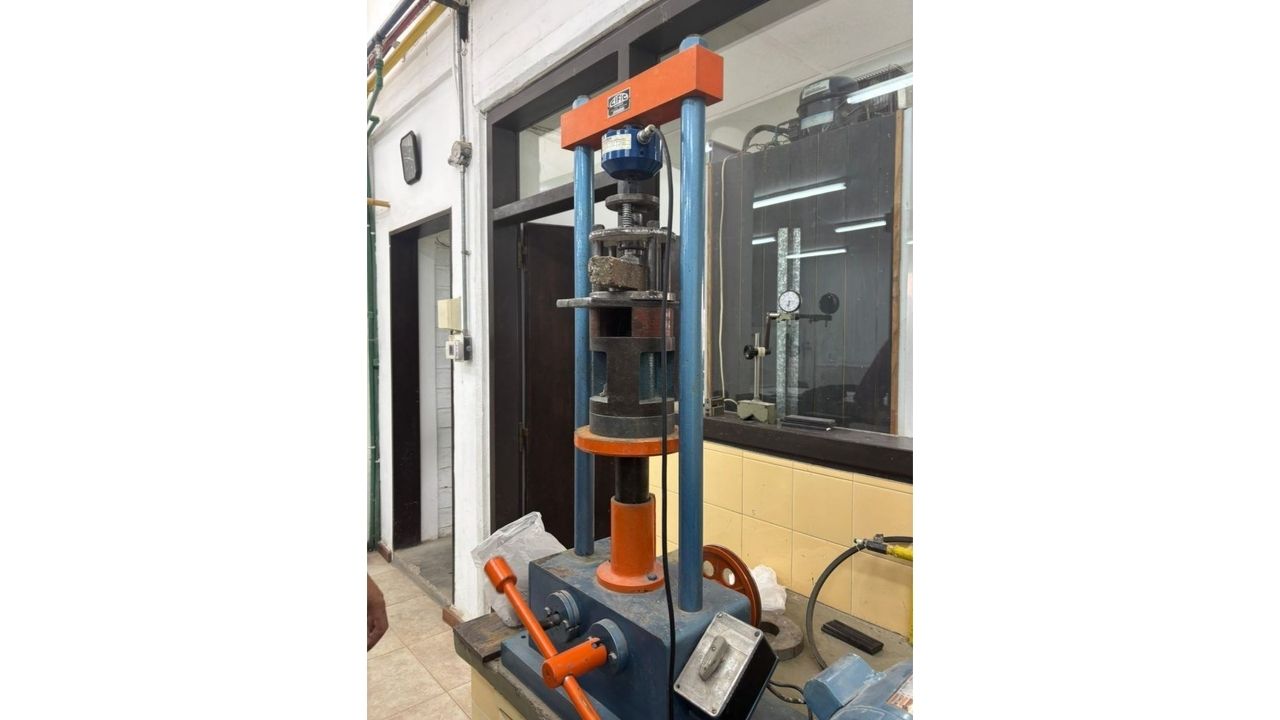
The project advanced to laboratory tests at the Faculty of Engineering of the National University of the Center of the Province of Buenos Aires, UNICEN, an institution to which the school is affiliated. The team evaluated different prototypes until reaching a composition considered more efficient.
According to Professor Agustín Pascua’s report, the results of the interlocking models were positive. The ecological bricks showed resistance equal to or greater than the traditional options available on the market, according to the tests mentioned by the program.
Interlocking blocks reduce labor
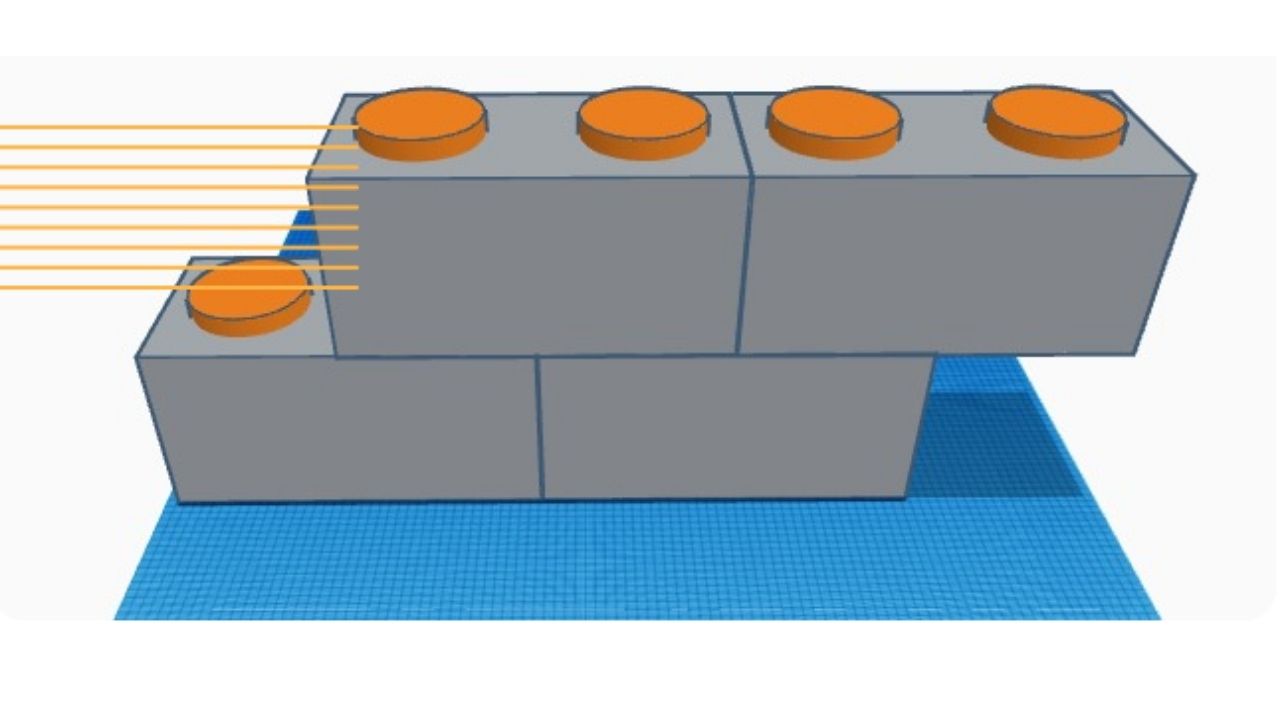
After confirming the feasibility of brick production, the students began to analyze how to reduce labor costs. The solution found was the interlocking design, inspired by interlocking blocks, allowing walls to be assembled in modules.
This format can facilitate construction because it reduces the complexity of execution. Instead of relying solely on traditional laying, the blocks are designed to fit together, allowing for smaller constructions that can be expanded or modified later.
Composition reduced more than 50% of cement
To reach the sustainable prototype, the team tested between 10 and 15 variations of the mixture. The formula indicated as the best result was composed of 60% acetate, derived from the reaction of acetic acid with cotton cellulose, and 40% of other materials, such as cement.
According to Pascua, the project reduced cement use by more than 50% compared to a conventional brick. This point is important because cement weighs on the cost and environmental impact of construction, especially when used on a large scale.
Cost was half of the common brick
The cost savings were also highlighted by Samsung Solve for Tomorrow. While a common brick costs about 700 Argentine pesos, equivalent to US$ 0.65 in the consulted material, Bastet Haus bricks cost 350 pesos, or US$ 0.33.
This difference helps explain the interest in the proposal. A cheaper, lighter block with recycled material can open the way for lower-cost housing solutions, as long as future stages confirm performance on a real scale.
Proposal targets simple houses and expandable modules
The project was designed for house construction, but the source does not report that complete residences have already been built with the blocks. What exists so far is a tested prototype, with plans to continue development for walls and entire houses.
The modular logic allows starting with a smaller construction and expanding later, similar to prefabricated systems. The difference lies in the interlocking format, which aims to make the process simpler and more economical for future applications.
Idea combines recycling and affordable construction


Bastet Haus addresses two urban problems: cigarette butt disposal and the cost of construction materials. By transforming treated cellulose into part of a construction block, the project attempts to give function to a waste that would normally go to landfills, streets, or collection systems.
Professor Agustín Pascua also mentioned possibilities of application in municipalities interested in social housing and in individual clients who want to build simple houses. The proposal, therefore, looks at affordable construction without abandoning testing and resistance criteria.
Project also evaluated management and scale
In addition to the technical formulation, the students analyzed ways to manage the project as a business. According to the material, the team discussed possibilities of serving municipalities and also individual buyers interested in simple construction.
This point shows that the initiative was not confined to the laboratory. For ecological bricks to reach the market, it is necessary to think about waste collection, cellulose treatment, standardized production, logistics, certification, pricing, and acceptance in the construction sector.
What Still Needs to Progress Before the Market
The source does not provide technical certification for commercial use, engineering standards met, resistance in complete works, or long-term performance in real walls. It also does not detail production scale, monthly capacity, or definitive industrial model.
These steps are crucial for any construction material. A promising prototype needs to undergo additional validations before being used in entire houses, especially when it involves structural safety, durability, and standardization.
Ecological Bricks Show a New Path for Urban Waste
The Argentine case shows how urban waste can be incorporated into construction projects when there is proper treatment, testing, and design. Cigarette butts cease to be mere waste and become part of an experimental solution with lower cost, less cement use, and a modular format.
Would you use ecological bricks made from treated cigarette waste in a real construction, if they passed complete certifications and tests? Leave your opinion in the comments and tell us if this type of recycled material can gain space in civil construction.


