Portuguese
  Spanish


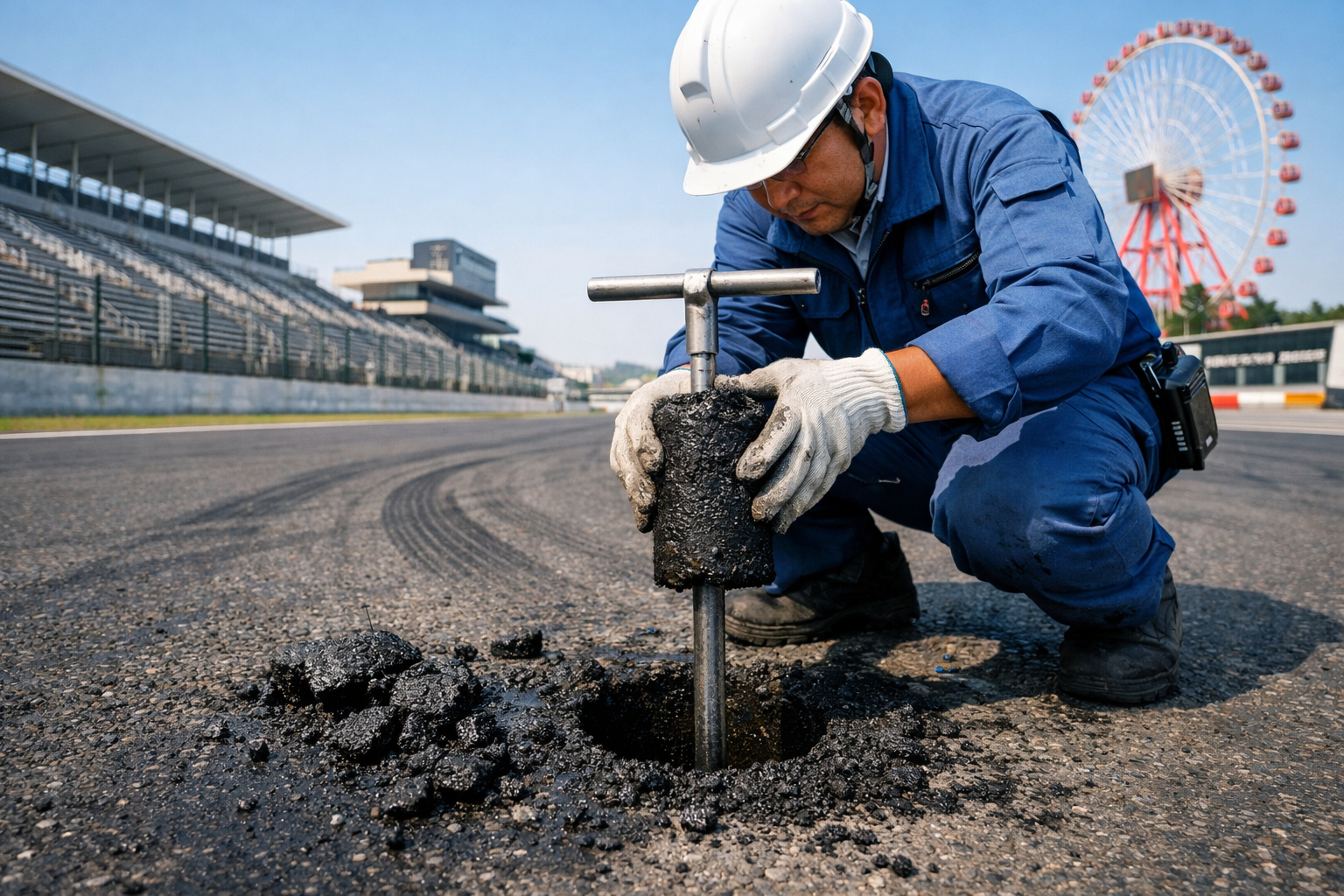


Unique Initiative Turns Repaving Work Into Global Collector Item And Allows Fans To Take Home Real Fragments Of The Ground Where Historical Decisions Of Formula 1 Were Disputed At High Speed
Motorsport fans around the world will have a rare and symbolic opportunity to physically connect with the history of Formula 1. The legendary Suzuka Circuit in Japan has announced that it will sell real pieces of the original track asphalt, turning a maintenance work into a highly sought-after collector’s item for motorsport enthusiasts.
The information was disclosed by the official publication of the Suzuka Circuit on its social media, where the management confirmed that the fragments are part of the repaving process of the western portion of the layout. According to the statement, the initiative aims to preserve the memory of decades of major events held at the site.
Over the years, Suzuka has established itself as one of the most technical and respected circuits on the Formula 1 calendar. Since its definitive entry into the category in the 1980s, the Japanese track has been the stage for championship-deciding moments, intense battles, and instances that shaped the careers of some of the greatest drivers in history.
-
Hilux’s little sister: Toyota relaunches the Land Cruiser 70 in the 2027 lineup with over 40 years of production, a 2.8 turbo diesel engine with 201 hp and 51 kgfm, a six-speed automatic transmission, and a renewed retro look.

-
Automatic, economical, and known for reliability: with a 1.5 engine of up to 110 hp, CVT transmission, seven airbags, and fuel consumption of up to 15.9 km/l, this used hatchback appears as a rational alternative to Polo, HB20, and Onix; meet the Toyota Yaris XLS 2020.
-
He surpassed the Tera, Creta, and Tracker: With a TSI engine of up to 150 hp, 6-speed automatic transmission, and a 373-liter trunk, the Volkswagen T-Cross was the best-selling SUV in June, with 11,753 registrations.

-
It looks factory-made, but it came out of a workshop: a mechanic from Pernambuco builds a handcrafted “mini Toyota,” drives it through the streets, and the video goes viral on social media, leaving residents astonished.




The Sale Of A Literal Piece Of Formula 1 History

The asphalt fragments that will be sold are a direct result of the modernization works planned to prepare the circuit for the Japanese Grand Prix of Formula 1, scheduled for March next year. Although the exact values and quantities of the pieces have not yet been disclosed, there is an expectation of strong demand from collectors and fans.
The asphalt removed from the circuit has already witnessed cars exceeding 300 km/h, along with memorable battles in iconic corners that require extreme precision from the drivers. Each piece carries invisible marks of braking, acceleration, and trajectories that defined entire championships.
Additionally, the organization highlighted that the proposal is not merely commercial. The main goal is to eternalize the sporting memory of Suzuka, allowing fans to have access to a physical element that was part of the greatest Formula 1 races and other events held at the site.
A Circuit Marked By Legends And Historical Decisions
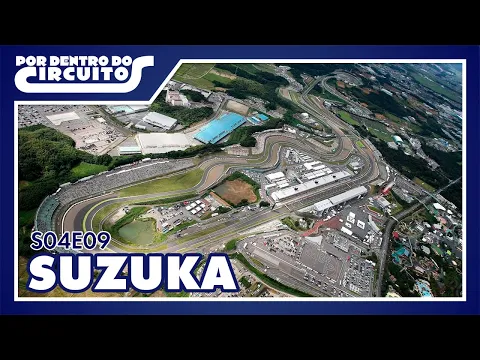

Suzuka is synonymous with history in world motorsport. It was on this challenging track that Ayrton Senna, Alain Prost, and Michael Schumacher starred in decisive chapters of their careers, especially between the 1980s and the early 2000s. Many Formula 1 seasons had their titles decided right at the Japanese circuit.
In addition to Formula 1, Suzuka also holds a special place in motorcycle racing. The track is traditionally the host of the 8 Hours of Suzuka, one of the most prestigious endurance races in the world on two wheels. The circuit has become a technical reference for both high-performance cars and motorcycles.
Even after ceasing to host MotoGP events in 2003, the site remains a symbol of sporting excellence. The current repaving aims to improve grip and correct pavement imperfections, which is essential to meet the demands of modern Formula 1 cars and the safety requirements of endurance competitions.
Similar Initiatives And The Preservation Of Sport Memory
The sale of asphalt fragments is not entirely unprecedented in motorsport. Other historic circuits have adopted similar initiatives over the years. The most well-known example is the Indianapolis Motor Speedway in the United States, which preserves historical layers of soil since 1909.
In Indianapolis, before each major renovation, technicians remove vertical samples of the pavement, similar to cylinders, a common practice in geological studies as well. These cores carry decades of history, including races, accidents, and unforgettable victories.
Part of these materials has already been removed during recent renovations, especially in sections where bumps have started to trouble IndyCar drivers at speeds over 370 km/h. Still, the traditional section of exposed bricks at the finish line remains intact as a symbol of the past.
In the case of Suzuka, the sale of the fragments transforms a simple infrastructure work into a historical valuation action. For fans and collectors, it represents a unique chance to own a literal piece of the ground where world motorsport wrote some of its most important pages.
Source: Noticiasautomotivas
If the price were high, would you pay to have a genuine piece of Formula 1 asphalt that marked the history of Senna and Schumacher at home?