






 Portuguese
  Spanish


Excavations At Tell Abu Saifi Reveal 800-Meter Roman Road, Ptolemaic Fortresses, And Structures Indicating Pre-Classical Occupation
A road lined with 500 trees led archaeologists to one of the most remarkable finds in recent times in Egypt. Located in the Sinai Desert, the ancient fortress of Tell Abu Saifi has returned to the spotlight with new excavations led by the Supreme Council of Antiquities of Egypt.
For decades, Egyptologists were aware of the fortress’s existence. However, recent work revealed structures and elements that deepen the understanding of the importance of Tell Abu Saifi.
The new phase of the investigation focused on two fortresses built during the Ptolemaic and Roman periods. These constructions reinforce the strategic position of the fortress on the eastern border of the ancient Egyptian empire.
-
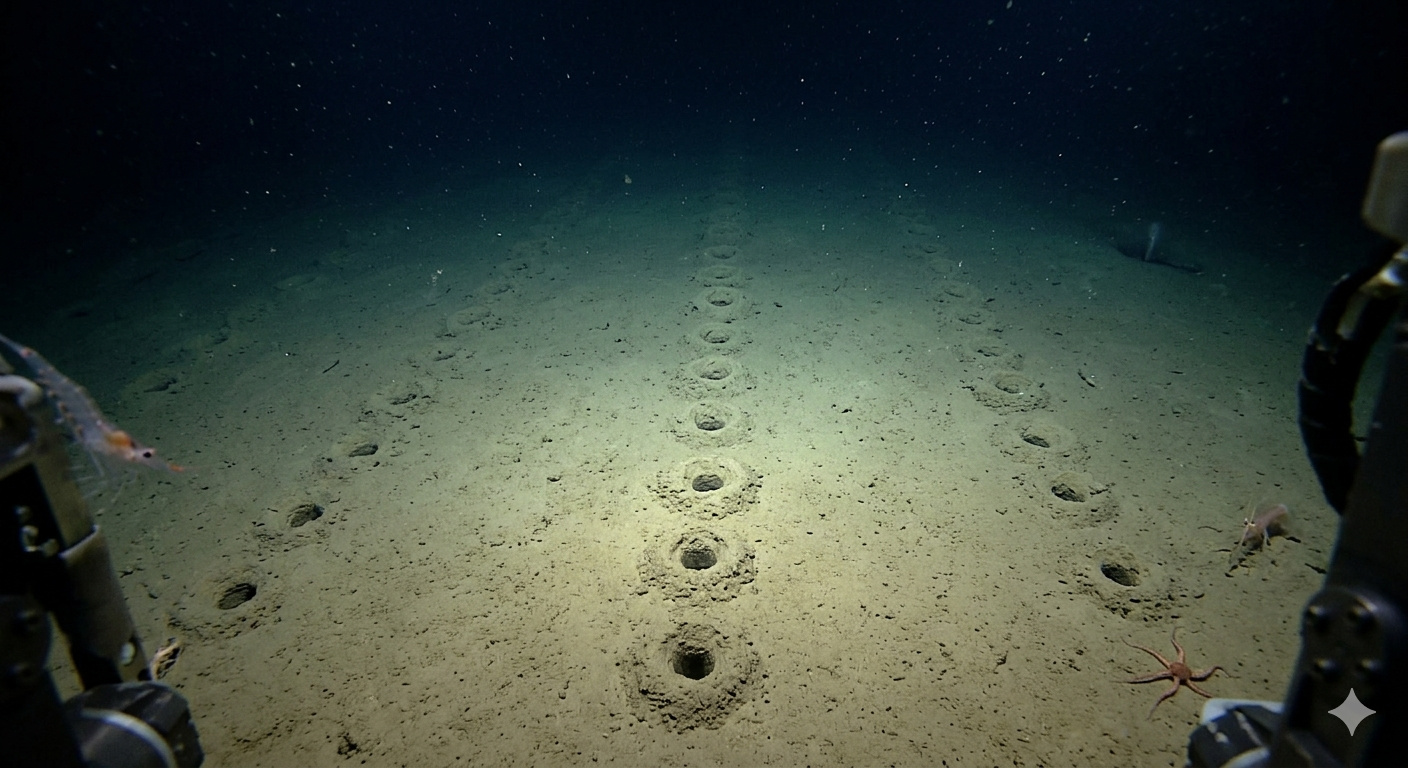
NOAA Scientists Discover Mysterious, Perfectly Aligned Holes on the Mid-Atlantic Ridge Seafloor, Origin Still Unknown

-
California Startup Develops Giant “Space Sling” to Launch Vehicles at Mach 6, Reducing Fuel Use and Enabling Thousands of Satellite Deployments

-
ChatGPT Alerts FBI to Prevent Planned Murder of 8-Year-Old in Brazil’s Espírito Santo
-
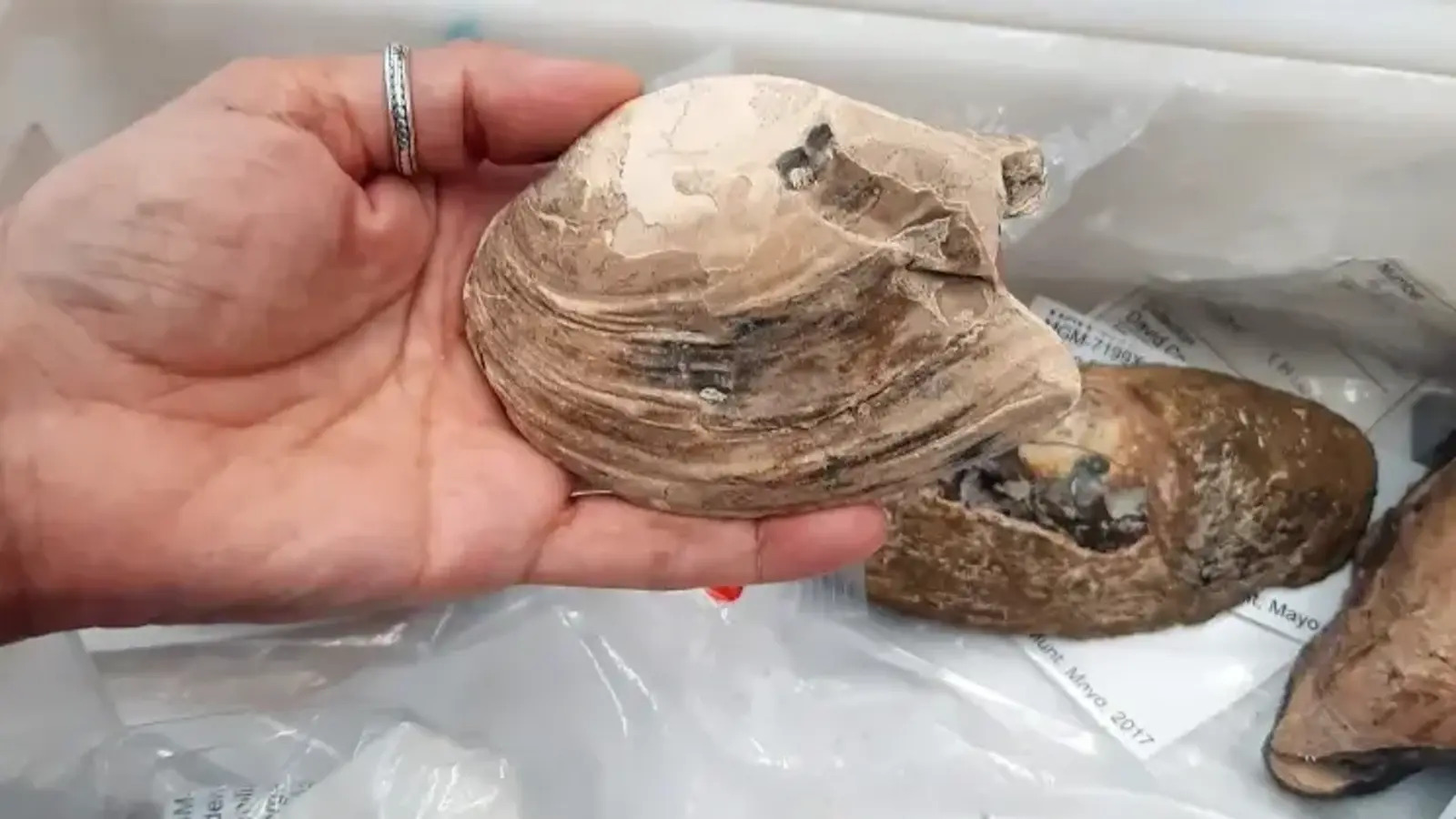
Scientists Discover 125-Million-Year-Old “Pregnant Fossil” with Preserved Embryos and Microscopic Larvae Inside Mollusk in England



According to Dr. Mohammed Ismail Khaled, Secretary-General of the Supreme Council of Archaeology, the excavations allowed the identification of a detailed map of the eastern entrance of Egypt.
In a post made on Facebook, he highlighted that the presence of numerous trees and defensive fortifications illustrates the decisive military role of the region over the centuries.
Crucial Entry Point Of The Egyptian Empire
More than a military installation, Tell Abu Saifi was a vital entry point for the Egyptian empire. Archaeologists identified four corners of an ancient structure, still undated, predating the Ptolemaic era. This indicates that the occupation of the area is even older than previously thought.
A press release detailed that the fortress underwent different phases of reconstruction over several centuries. From 305 B.C., Ptolemy I — a general of Alexander the Great — was responsible for commanding the forces that protected this strategic location.
During Roman rule, which began in 30 B.C. and ended around 642 A.D., the Romans reinforced control over the region. Protecting the eastern entrance of Egypt remained a priority.
Discovery Of Monumental Roman Road
One of the most impressive discoveries announced by the Ministry of Tourism and Antiquities of Egypt was a Roman road paved with limestone.
Measuring over 11 meters wide and 800 meters long, the road connected the eastern gate of the fortress to the center of the archaeological site. This road was built over an even older path, from the Baltic era.
The defensive structures found included a trench over 2 meters deep, designed to contain enemy attacks.
According to Dr. Mohamed Ismail Khaled, the engineering of the trench was so sophisticated that it could become inoperable under certain circumstances, as reported by Archaeology Mag.
Everyday Life And Industrialization Of The Site
The excavations also uncovered the soldiers’ accommodations. The layered constructions indicate that not only the military occupied the site, but also their families. Shipyards from the Ptolemaic era suggest the construction and repair of boats at the site, reinforcing its logistical importance.
Tell Abu Saifi also evolved into an industrial center. The discovery of four large kilns used for lime production indicates that, by the end of the Roman era, the site assumed a new economic function.
The activity destroyed part of the original stone structures, according to statements from the Ministry of Tourism and Antiquities.
Minister Sherif Fathy summarized the importance of the find: “This discovery offers a deeper understanding of the defensive systems established in eastern Egypt and reaffirms the historical role of Tell Abu Saifi as a military and industrial center across various eras.”
With information from Interesting Engineering.


