






 Portuguese
  Spanish
 3 min of reading
  0 comments


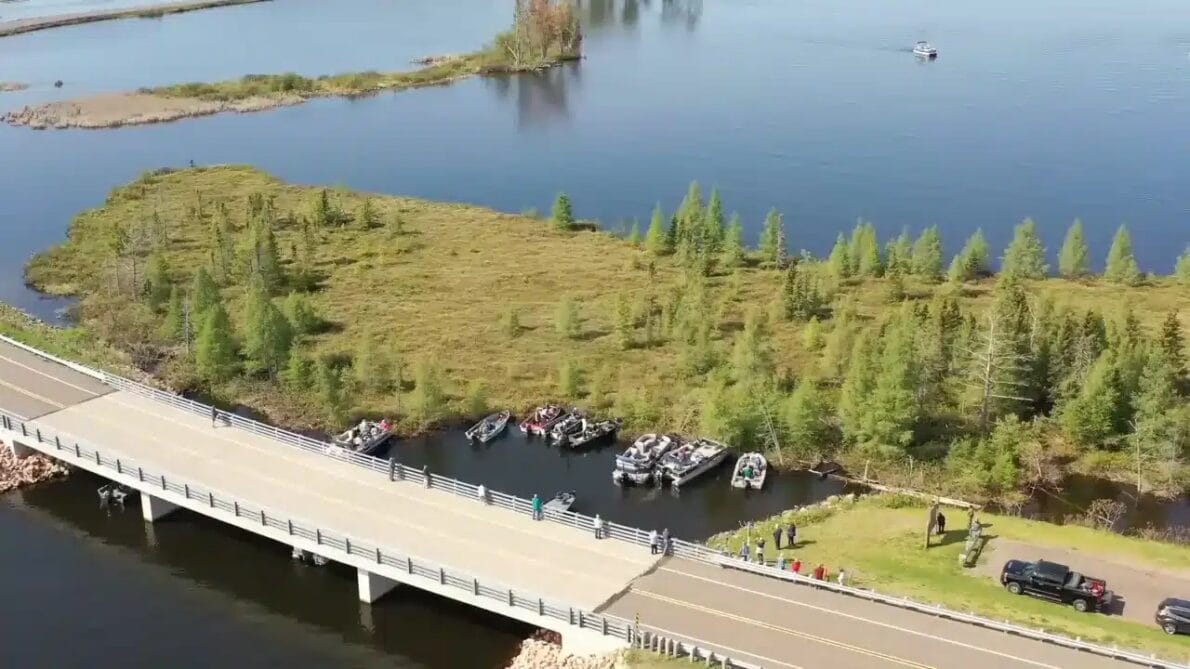
Know The Island That Needs To Be Pushed By Boats To Return To Its Original Place. Called Forty Acre Bog, The Island Is Moved By The Winds Of Wisconsin.
Chippewa Lake, in Wisconsin (USA), features Forty Acre Bog, a 40-acre swamp and giant island that moves and disturbs local residents, as its movement can block the only passage between the east and west sides of the lake.
This phenomenon of Forty Acre Bog happens once a year. During this time, residents need to come together and relocate the island that needs to be pushed back to its place. This is done with the help of dozens of boats working with the wind in their favor. Last year, 25 boats operated by local residents were required to successfully reposition the floating mass.
Island That Needs To Be Pushed Needs 25 Vessels To Return To Its Place
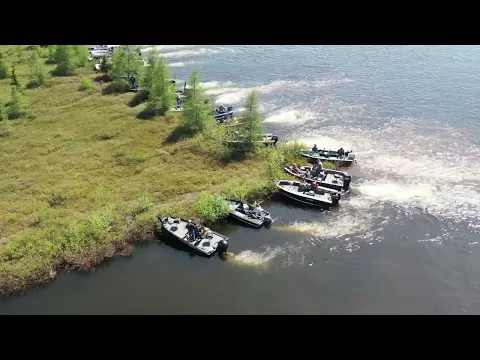

The Chippewa Lake, also known as Chippewa Flowage, was created in 1923 with the flooding of a large swamp. After the area was flooded, many peat bogs, partially decomposed plant material, began to rise to the surface and became thriving sites for the development of plants whose seeds are carried by the wind and birds.
-
Bolivian Female Construction Workers Form Association to Combat Discrimination and 38% Pay Gap in the Industry

-
Near Amsterdam, residents buy land and discover they must also build streets, manage drainage, handle waste, and grow food on half their plot.
-
Without a mansion, without high investment, and without a traditional classroom, a teacher living in a 22 m² house taught students to build a 9 m² studio apartment with the equivalent of R$10,000.
-
Without her own home and pressured by rent, a 25-year-old bought a small 15-meter boat, gradually renovated the interior by herself, transformed the interior with paint, new flooring, a larger bathroom, and started living on the canals, paying much less per month.


Over the years, plants, from grasses to trees, have grown and formed some floating swamps of varying sizes. The oldest islands even have trees that act like sails. Thus, when the wind blows, the island that needs to be pushed moves across Chippewa Lake. As floating islands like Forty Acre Bog are habitats for various animal species, they are protected by law and cannot be disrupted.
Local Residents Speak Out About Forty Acre Bog
Denny Reyes, a nearby resident and owner of The Landing Restaurant and Resort, stated in an interview that one of the first questions asked when arriving in the morning is: “Where is the swamp?”. Greg Kopke, a local owner, mentioned in an interview that the island that needs to be pushed doesn’t always move, but when it does, it must be guided to the “right place”.
According to reports, although the lake was formed a century ago, new swamps can be created at any moment. A phenomenon known as mud swamps can appear at any time, although it occurs more frequently in the fall.
They will rise to the surface temporarily and then slowly sink back down, or they may vary in size, from the size of a parking spot to several acres. To keep track of the whereabouts of Forty Acre Bog, the Lake Chippewa Flowage Resort Association Facebook group was created.
Visitors to the area can observe animals, from black bears to deer and otters, protected by local wildlife authorities. And the lake is filled with attractions, being popular for fishing trips, boating, and wild swimming.
Discover Spirit Lake In A Heart Shape
Nature can take on spectacular shapes. This is the case with Spirit Lake, in Washington, United States. With a heart shape, it has attracted thousands of tourists. However, the most impressive thing is the story behind its current shape.
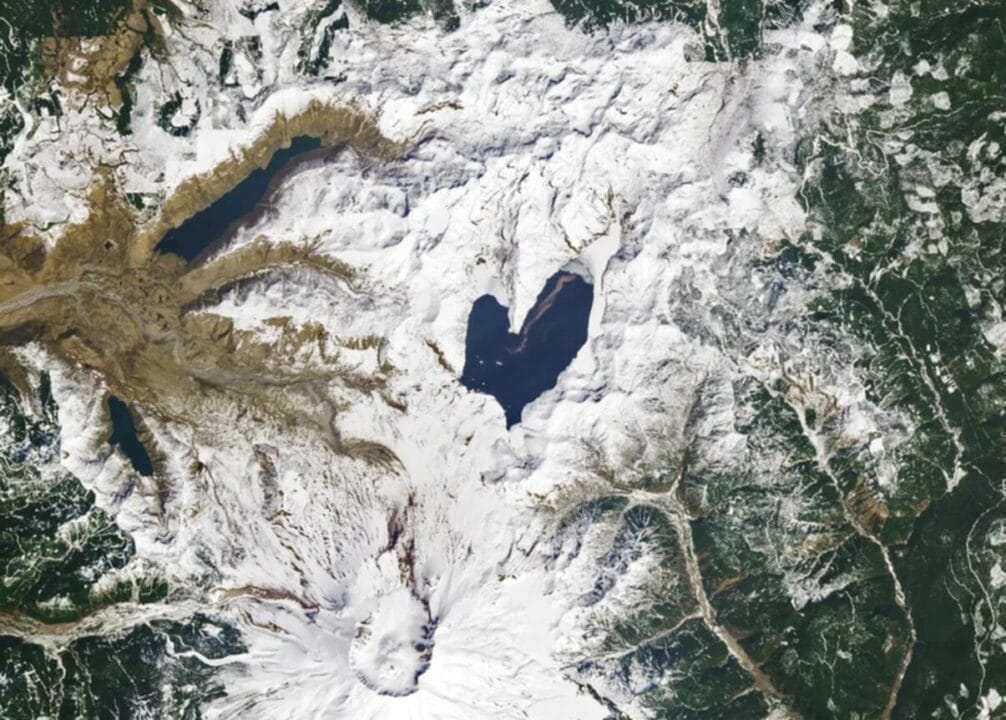
The lake didn’t always have this heart shape that can be seen today from satellite images. In the past, its shape resembled only the upper half of a heart, with the east and west arms narrowly connected.
Everything changed with the deadly eruption of Mount St. Helens, located southwest of the lake, on May 18, 1980. The volcanic activity caused the lake’s surface to rise by nearly 60 meters. In addition, the resultant landslide forced its waters out of its original outline, flooding areas that were once solid land.







Be the first to react!