Portuguese
  Spanish


Turkish students developed a device to treat water discarded by washing machines, focusing on domestic reuse and reduction of laundry waste. Project created in a school environment won a global environmental competition and relates urban routine, microfibers, and water scarcity.
Four students from Diyarbakir, in southeastern Turkey, won the The Earth Prize 2023 with the ECaundry, a device created to treat and reuse water discarded by washing machines.
Developed by the Delavo team, the solution uses hollow ultrafiltration tubes and carbon filter to recycle up to 90% of the washing wastewater, according to information released by the prize organization.
The initiative received the main prize of US$ 100,000 in the environmental competition aimed at teenagers, which recognizes student projects related to sustainability and environmental issues with practical application potential.
-
NASA Plans to Repurpose Mars Rover for Lunar Mission, Sending a 1-Ton Nuclear-Powered Vehicle to Explore the Moon’s South Pole Without Solar Dependence

-
Early Humans Made Beds Nearly 200,000 Years Ago in African Caves, Study Reveals

-
Japanese Smart Bike Detects Cyclist’s Intent to Turn and Potential Falls
-
METTL3 Protein Found to Play Crucial Role in Breast Cancer Metastasis, Surprising Scientists


The group consists of Yagmur, Avjin, Damla, and Irmak, students at Bahçeşehir Koleji Fen ve Teknoloji Liseleri, an institution located in Diyarbakir, a city near the Tigris River basin.
The proposal addresses a recurring point of the domestic routine: the disposal of water used in laundry, which usually goes to the sewer after each machine cycle.
In this process, the effluents may contain dirt, chemical product residues, and microfibers released by fabrics, especially in places where there is no adequate treatment before the water returns to the environment.
Technology reuses washing machine water
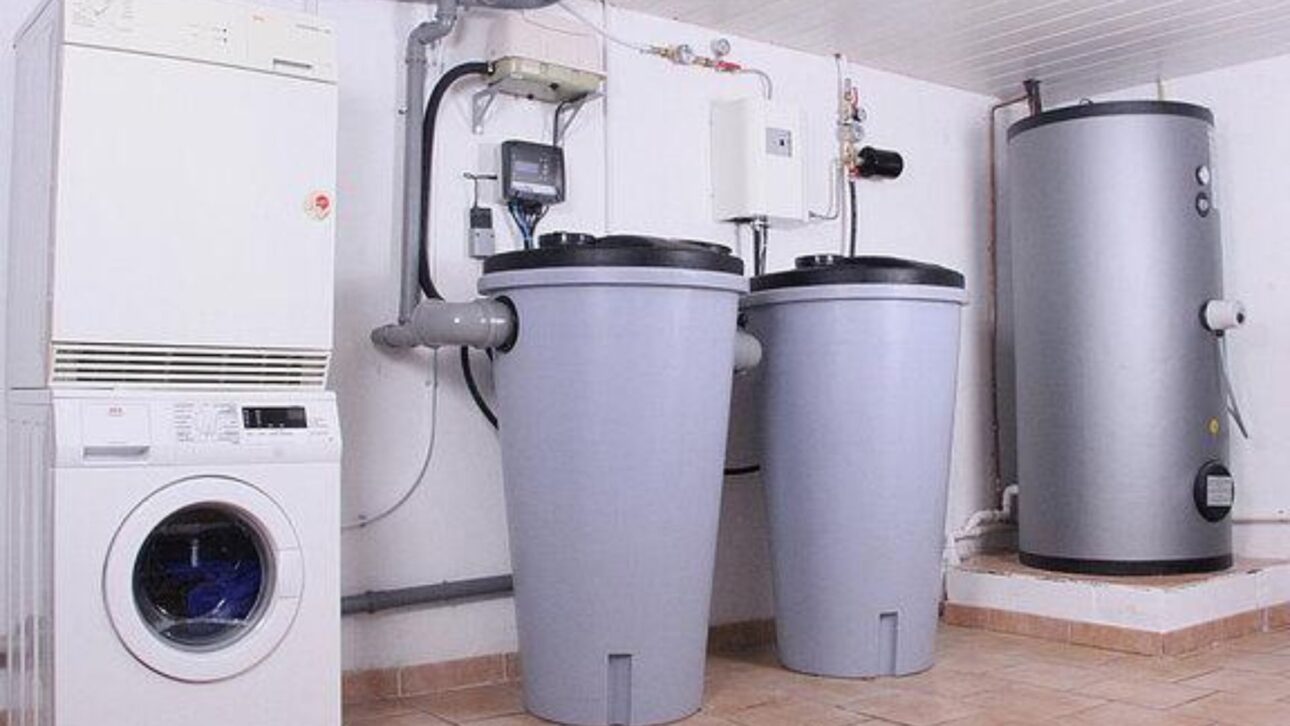
The ECaundry was designed to be installed in the washing machine itself, without replacing the appliance or requiring a large external system for wastewater treatment.
After washing, the discarded water passes through ultrafiltration tubes and a carbon filter, a step described by the organization as part of the process of treating and directing the volume for reuse.
According to The Earth Prize, the device can conserve more than 90% of treated wastewater when connected to the equipment, reducing the volume discarded after each cycle.
The proposal transforms the laundry into a domestic stage of filtration and reuse, based on a technology presented by the students during the global environmental competition.
The scale of the discard was one of the data presented in the project’s release by the prize organization.
According to The Earth Prize, a load of laundry can generate about 20 gallons of wastewater, a volume equivalent to approximately 76 liters, although an institutional page also presents the conversion as 50 liters.
Focusing on homes, buildings, schools, and laundries, the project directs the discussion about reuse to equipment present in the routine of many families and establishments.
Instead of relying solely on public systems or large treatment structures, the proposal concentrates filtration at a specific point of daily water consumption.
Idea arose from debates on water scarcity
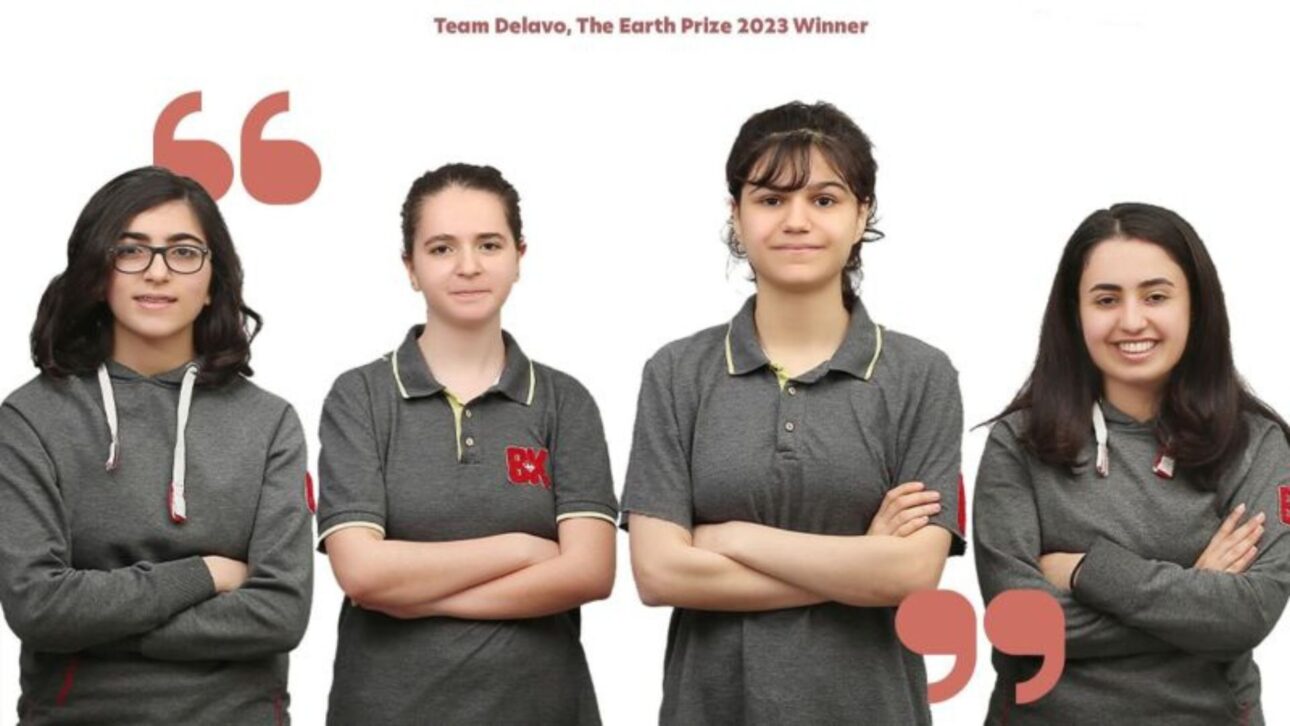
The students developed the project from discussions about water scarcity and pollution in the region where they live, according to the official presentation published by The Earth Prize.
The inspiration, according to the organization, came from droughts associated with the Tigris River basin, an area that led the group to investigate ways to reduce water waste and contamination.
During research on plastic pollution, the students also observed the relationship between laundry washes and the release of microfibers, a type of waste associated with the use of synthetic fabrics.
From this investigation, the project began to combine water savings with the reduction of waste released into the sewage, keeping the laundry as the main focus of the solution developed by the team.
Delavo emerged in a school club focused on ecology and the Sustainable Development Goals, an environment in which the students began to discuss environmental problems close to the local reality.
Three members were in the tenth grade when they participated in the competition, while Irmak was in the ninth grade, according to the data presented on the prize’s official page.
The proposal was built from the relationship between local observation, technical research, and domestic application, without relying on a complete change in the routine of those who use the washing machine.
By choosing a common and less visible problem, the students focused the development of ECaundry on a specific stage of domestic water consumption.
Name Delavo connects water, cleaning, and local origin
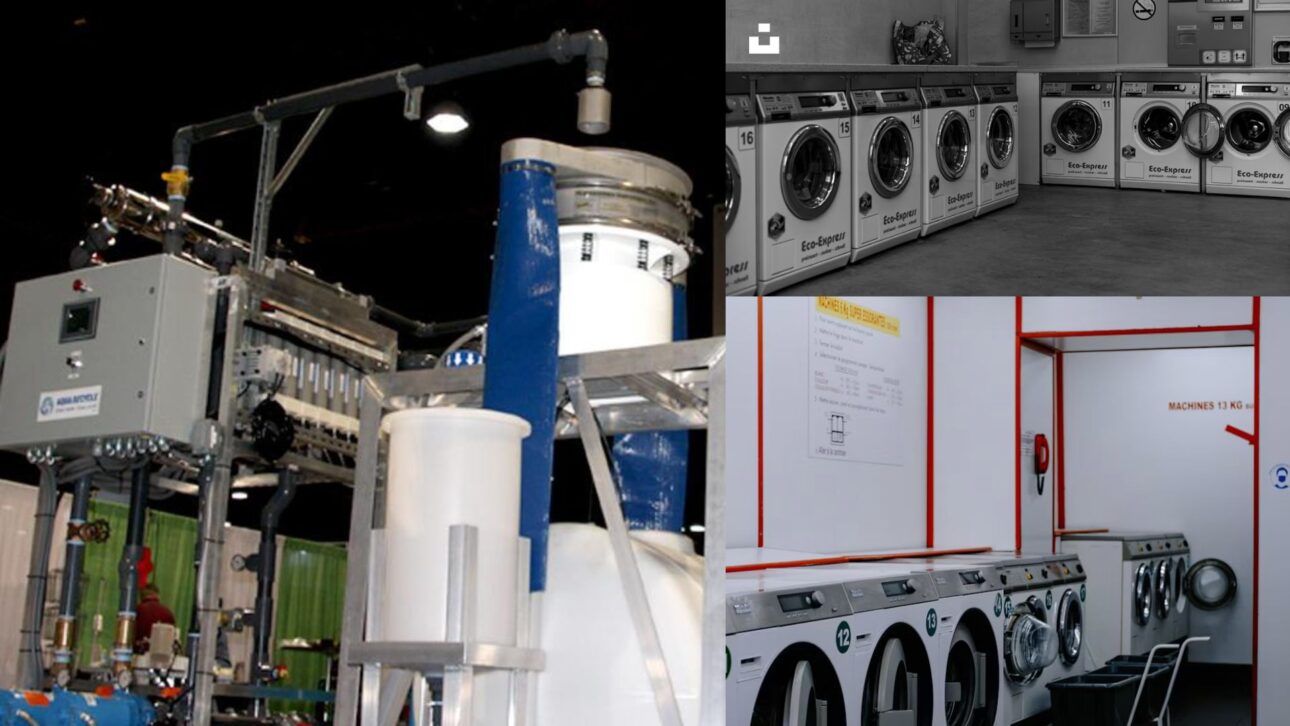
The name Delavo was also associated with the environmental purpose of the project by the organization of The Earth Prize.
According to the entity, the term refers to the idea of fresh water in Latin and the act of cleaning or washing in Kurdish, in reference to the laundry activity and the regional context of the students.
The choice of name connects the project to two aspects mentioned in the official release: the preservation of water resources in a region affected by drought periods and the treatment of waste generated by clothes washing.
Besides the local focus, the initiative addresses a problem present in different countries, as washing machines are part of domestic and commercial routines in urban areas.
The ECaundry was presented as a device attachable to the washing machine, with operation integrated into the process already known by the user and without requiring complete replacement of the appliance.
This feature was described by the prize organization as part of the solution’s application potential, allowing treatment to occur alongside the equipment responsible for generating wastewater.
Prize recognized students’ environmental project
The Earth Prize is a global environmental sustainability competition aimed at teenage students, evaluating projects related to environmental problems and solution proposals developed in a school environment.
In the 2023 edition, the virtual ceremony announced the Delavo team as the winner of the main prize, in a competition that brought together teams from over a hundred countries and territories, according to a statement from The Earth Foundation.
The award distributed resources for the development of environmental initiatives and also recognized finalist teams from other countries, according to information released by the organization.


In the case of Delavo, the amount of US$ 100,000 was linked to the advancement and implementation of the project, with division among the members and the educational institution registered in the competition.
The ECaundry brings together a measurable problem, a technology described in an accessible way, and an application related to the everyday use of the washing machine, according to the official materials published about the initiative.
By treating laundry water before disposal, the device proposes to reduce waste in a specific domestic stage, without shifting the entire discussion to large-scale works or public sanitation systems.
Although it was presented in the context of a student competition, the project began to circulate internationally by associating water reuse, microfibers, and clothes washing in a single solution.
According to the award organization, the team started with a focus on their region in Turkey, but intends to take the device to other markets affected by water pollution problems.
The students’ experience shows how school projects can reach global competitions when they start from observable issues and use technical research to address defined environmental problems.
In the laundry, a common task has come to be treated as a source of disposal, waste generation, and the possibility of water reuse within the washing process itself.