Portuguese
  Spanish



Lula Field in Pre-Salt Region Is Close to Reaching Historic Milestone After Receiving Last FPSOs in 2018
The Lula field in the pre-salt layer of the Santos Basin is close to surpassing the impressive mark of 1 million barrels of oil per day (bopd).
This achievement is even more significant considering that the asset has been in production for less than ten years, having started operations in October 2010.
The Lula field was discovered in 2006, is located 230 km off the coast of Rio de Janeiro, at a water depth of 2,200 meters, and has reserves estimated between 5 and 8 billion barrels of oil.
The leadership of the asset, however, is not new; since August 2014, when it surpassed Mexilhão (Campos Basin), it has been the country’s leader in gas production and also the largest oil producer since August 2015, when it overtook Roncador, also in the same basin.
-
Lenovo Unveils Legion Y700 Tablet with RGB Backlighting, 5G, and SIM Card Support
-
Lenovo Unveils Legion Y700 Tablet with RGB Backlighting, 5G, and SIM Card Support
-
Northern Brazilian City Prepares Task Force to Mitigate El Niño Impacts with Stockpiled Fish, Drone Monitoring, Firefighting, and Water Supply Reinforcement in Remote Areas

-
Brazil to Issue “Panda Bonds” in China, Aiming to Raise Up to 5 Billion Yuan at Lower Interest Rates Than Dollar Debt

Unchallenged Leadership
With a total production of 1.1 million boe/d in February (889,000 bopd and 37.5 million m³/d of gas), the Lula field is far ahead of the second place (more than four times), which is the Sapinhoá field, producing 251,400 boe/d.
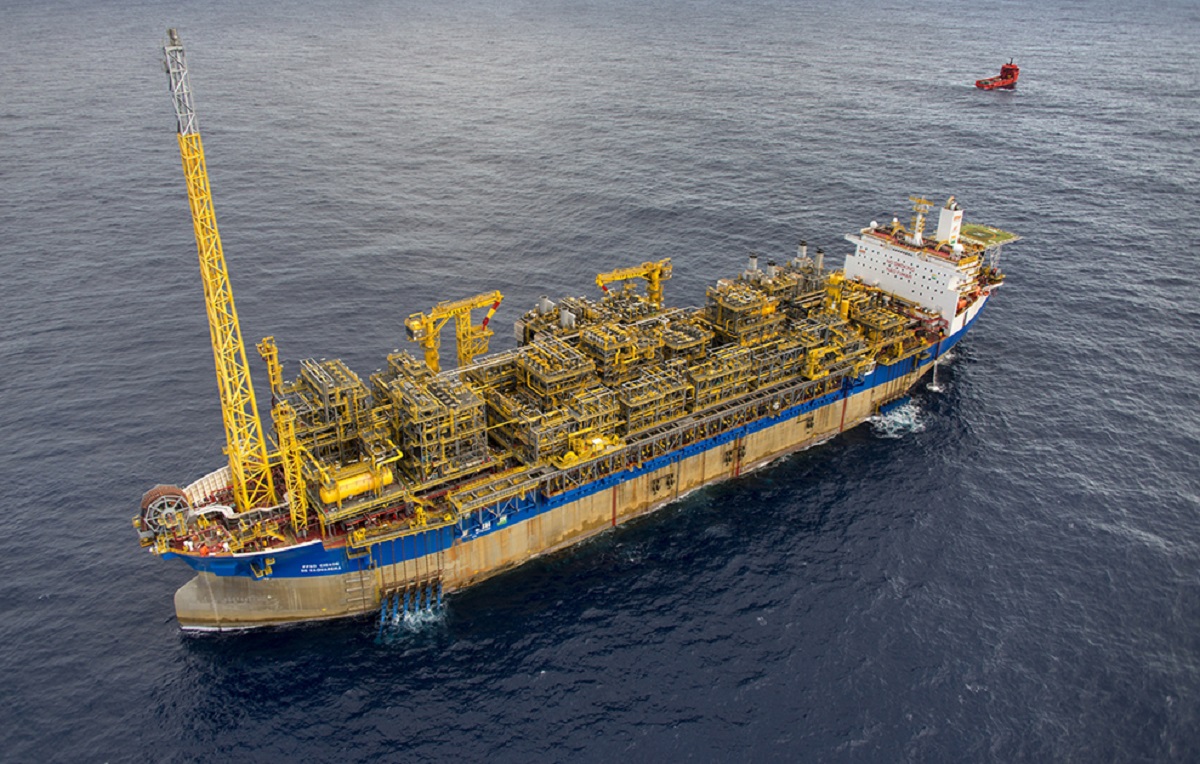
The nine FPSOs responsible for nearly 1 million barrels per day today are: Cidade de Angra dos Reis (Lula Pilot), Cidade de Paraty (Lula Northeast Pilot), Cidade de Mangaratiba (Iracema South), Cidade de Itaguaí (Iracema North), Cidade de Maricá (Lula Alto), Cidade de Saquarema (Lula Central), P-66 (Lula South), P-69 (Lula Extreme South), and P-67 (Lula North).
As of February this year, out of the ten platforms that extracted the most oil, six are in the Santos Basin asset: Cidade de Maricá, with a production of 146,000 bopd; Cidade de Saquarema (143,000 bopd); P-66 (125,600 bopd); Cidade de Itaguaí (124,400 bopd); and Cidade de Mangaratiba (109,300 bopd).
See in the chart below the production of the 20 largest fields in the country:

Technological Challenges
Petrobras now plans to invest in maximizing the recovery factor of the field, given that it has a contract until 2037.
In its latest business plan (2019-2023), the Brazilian oil company estimates an investment of US$ 4.6 billion in the Lula and Cernambi areas.
The Lula field is operated by a consortium, consisting of Petrobras (65%), Shell (25%), and Petrogal (10%), and initially faced unprecedented challenges, mainly due to the specific characteristics of the pre-salt oil, with high CO2 content, as well as a high gas-to-oil ratio, which requires greater gas processing capacity.
Because of the use of CO2 separation technologies and others utilized in Lula, Petrobras was awarded the Distinguished Achievement Award by the OTC in 2015.
The importance of the Lula field is not limited to the operators; service providers also faced unprecedented challenges, such as SBM/Brasa, which engineered and constructed the FPSOs Cidade de Paraty, Cidade de Maricá, and Cidade de Saquarema, as they are considered to be the most complex units currently operating in the world due to the gas-rich production and contaminants in the area.
Another challenging factor was the engineering conversion of the hulls to accommodate the weight of the topsides, around 24,000 tons, more than double the average weight of previous SBM projects, which was about 11,000 tons.
Definition of Jubarte Field Increases Collections for ES and Relieves Petrobras! Click here to read!