Portuguese
  Spanish


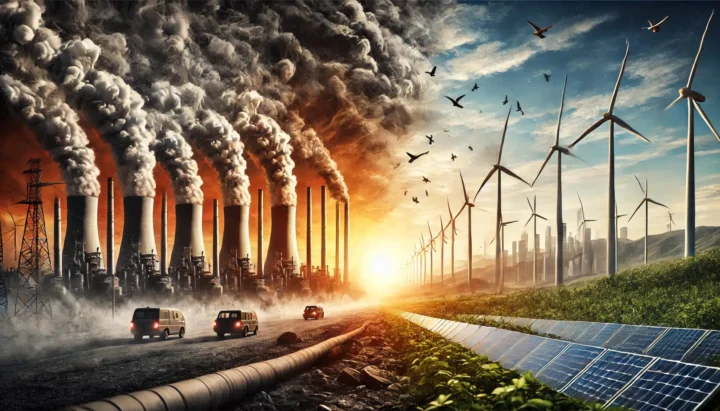

The Energy Transition Fund from Copenhagen Infrastructure Partners has raised over € 12 billion to finance renewable energy projects in OECD countries. Thus, this initiative can significantly impact the global economy and accelerate the energy transition.
On March 14, 2025, Copenhagen Infrastructure Partners (CIP) announced that its fund Copenhagen Infrastructure V (CI V) surpassed the mark of € 12 billion in fundraising, according to Globe Newswire. This capital will finance renewable energy projects in countries of the Organisation for Economic Co-operation and Development (OECD), including Europe, North America, and Asia-Pacific.
Currently, the global energy transition requires substantial investments in clean and sustainable sources, such as wind energy, solar photovoltaic, and battery storage. Therefore, the fund CI V will increase renewable energy generation capacity and drive the decarbonization of the global energy matrix.
Why This Fund Can Change the Renewable Energy Sector?
With this record fundraising, CIP plans to add approximately 30 gigawatts (GW) to the global grid. According to Globe Newswire, this production will supply electricity to over 10 million households and significantly reduce carbon emissions.
-
Brazil Aims to Become a Global Exporter of Green Hydrogen, the Clean Fuel Set to Generate Billions

-
Brazil to Hold First Offshore Wind Energy Auction, Aiming to Become the Country’s New Hydropower
-
Brazil to Hold First Auction for Batteries to Store Solar and Wind Energy from the Northeast
-
Brazilian scientists are simultaneously advancing two research projects on clean hydrogen and driving solutions that could transform the energy matrix, enhance industrial competitiveness, and accelerate large-scale emission reduction targets.

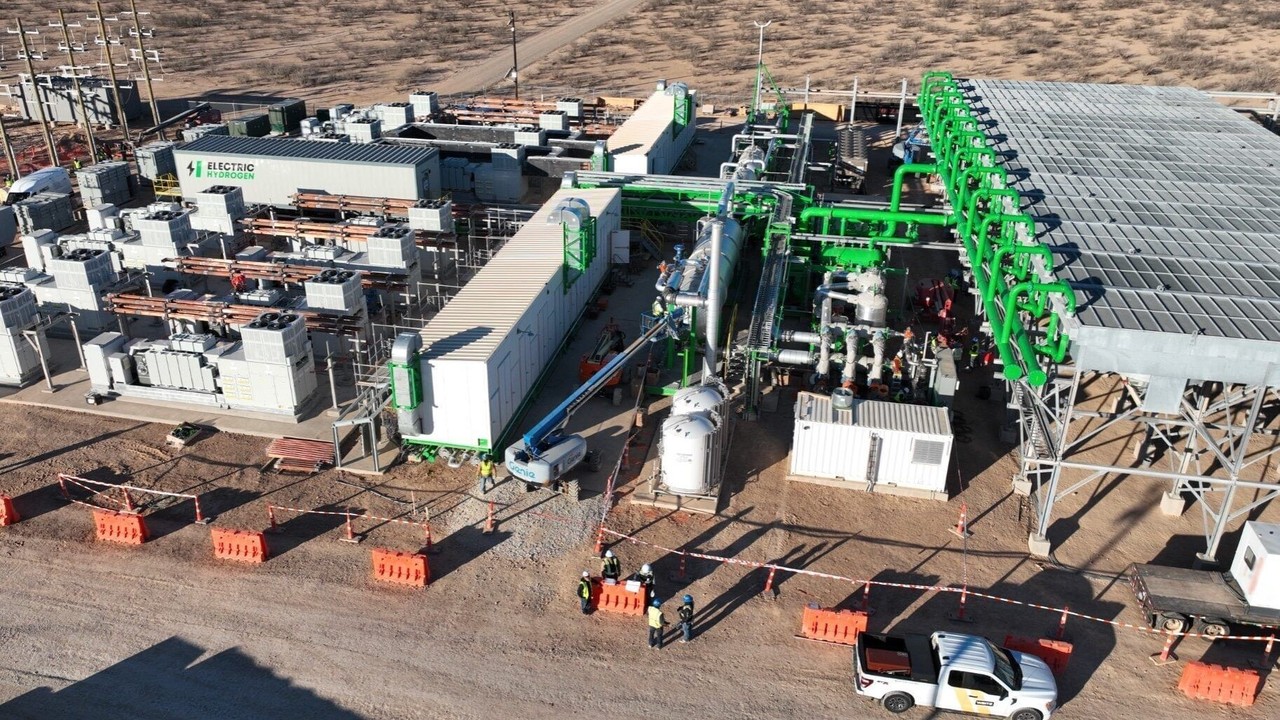

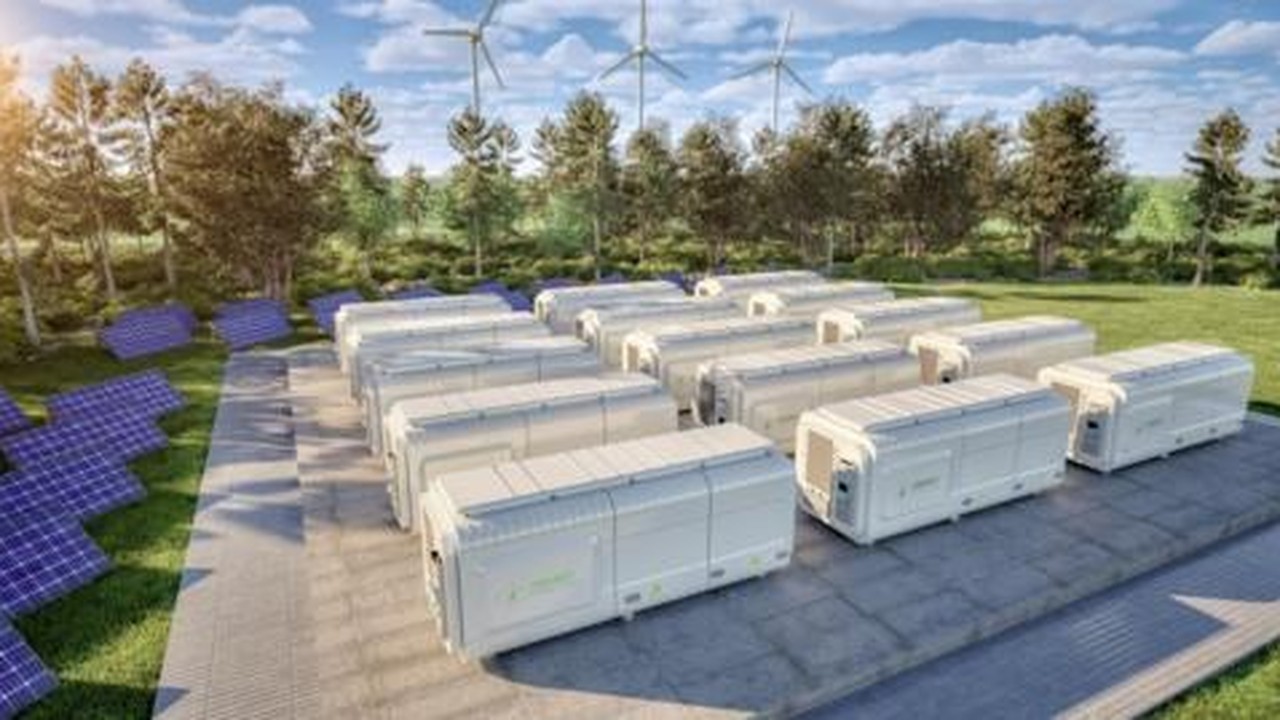

In addition, the funded projects include the construction and expansion of offshore and onshore wind farms, large-scale solar plants, and new energy storage technologies. Thus, these initiatives will strengthen energy security and reduce dependence on fossil fuels, aligning with global climate goals.
On the other hand, OECD countries were chosen due to their low regulatory risk and established clean energy infrastructure. Therefore, regions such as Germany, the United Kingdom, the United States, Canada, Australia, and Japan lead the list of beneficiaries. These markets create a conducive environment for the development of new technologies and ensure a high return on investments in renewable energy.
Moreover, OECD nations have set ambitious goals for the energy transition. This makes them strategic for large-scale projects. Consequently, the growth in demand for clean energy and the need to eliminate polluting sources further drive these investments.
The Impact of Renewable Energy on the Economy and the Environment
The fundraising of € 12 billion represents a significant advancement for the energy transition. Thus, this capital will expand renewable generation capacity, strengthen sustainable power grids, and stimulate innovation in energy storage.
Additionally, wind and solar energy, combined with new storage technologies, stabilize the electric system. Therefore, continuous investment in these sectors reduces the intermittency of renewable sources, making electricity more accessible and reliable.
At the same time, the expansion of clean energy infrastructure generates green jobs and drives technological innovation. Thus, this sustainable growth cycle strengthens the global economy and reduces dependence on fossil fuels.
Similarly, the adoption of renewable sources drastically reduces carbon emissions and enables countries to meet their climate goals. Consequently, governments and companies investing in this sector lead energy innovation and propel a sustainable future.
What to Expect from the Future of the Energy Transition?
With one of the largest energy transition funds in the world, Copenhagen Infrastructure Partners reaffirms its commitment to decarbonization and the expansion of renewable energies. Thus, this type of investment is expected to continue growing in the coming years, driven by global demand for sustainable solutions.
Additionally, the energy transition is already progressing rapidly, and billion-dollar funds like CI V accelerate this change. As a result, the expansion of clean energy not only builds a sustainable future but also guarantees energy security for millions of people.
Finally, the next few years will be crucial for the sector. For the energy transition to occur efficiently, the mobilization of private capital and innovative strategies will set the pace for this transformation. Therefore, partnerships among governments, investors, and companies committed to sustainability will be essential for the success of this energy revolution.