






 Portuguese
  Spanish
  2 min of reading
  2 comments


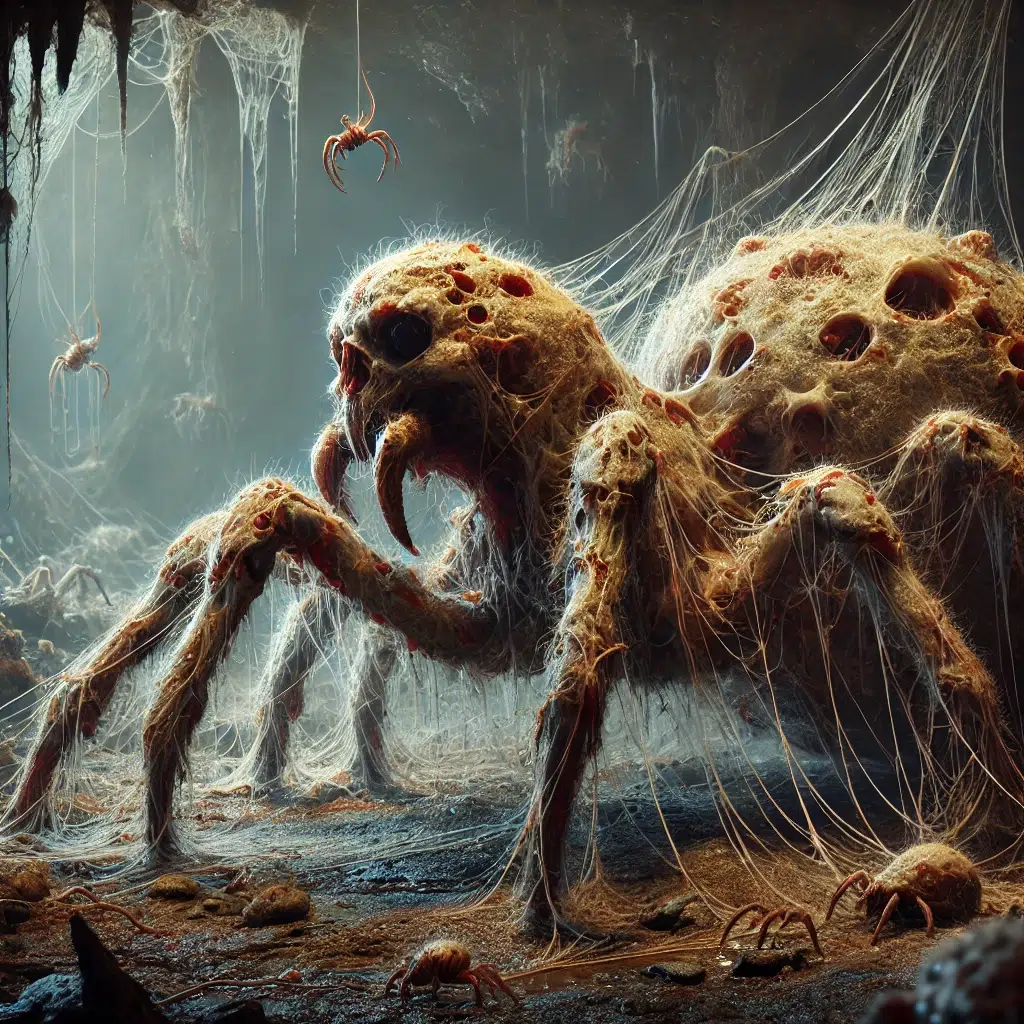


Scientists Discover A Parasitic Fungus Capable Of Turning Spiders Into Real Zombie Marionettes. Know How It Works!
Spiders are not the most beloved animals, but imagine if they were turned into zombies? This scene, worthy of a horror movie, actually happens in nature, thanks to a newly discovered parasitic fungus that dominates and consumes its victims.
The Fungus Controlling Spiders
Unlike what we see in science fiction, where a virus causes zombie infections, in the real world, it is fungi that play this role. The genus Ophiocordyceps is the most famous among manipulating parasites, affecting insects like ants.
Now, scientists have identified a new species of the genus Gibellula, specialized in attacking arachnids.
-
The “Chinese invasion” has arrived: BYD already dominates almost 45% of the electric buses registered in Brazil in May 2026, while 80% of the entire electric fleet in the country is concentrated in São Paulo with 1,300 vehicles.

-
From toy to track machine: Koenigsegg Sadair’s Spear made with over 327,000 Lego pieces reaches 111 km/h and surpasses the former Bugatti Chiron record.

-
Deep-sea marine animal can go more than 5 years without eating, combining physical adaptations and genetic mechanisms to survive in environments with extreme food scarcity; meet the Bathynomus.

-
Science wants to know what football does to you: study gathers smartwatch data to understand the real impact of World Cup emotions on the human body



Named Gibellula attenboroughii, the fungus was identified by researchers from the Natural History Museum of Denmark and the Royal Botanic Gardens, Kew, in the United Kingdom.
The discovery occurred in Northern Ireland during the filming of the BBC series Winterwatch, where it was found infecting a cellar spider (Metellina merianae), common in caves and tunnels throughout Eurasia.
How Does The Fungus Dominate Its Host?
The infection begins when the spores of the fungus come into contact with the spider, invading its body and multiplying rapidly.
During the first few days, the spider remains alive but completely loses control of its movements.
Under the command of the parasite, it moves to high and exposed locations, ideal for the dispersal of spores.
This behavior is also observed in ants infected by Ophiocordyceps, common in Brazil.
The hosts abandon their natural shelters and migrate to open areas, where they die and serve as a platform for the spread of the fungus.
What Scientists Discovered
There is still much to be studied about Gibellula attenboroughii, but scientists believe its impact on the spider population could be significant.
The behavior of the victims suggests that the fungus exerts a high degree of manipulation over its hosts, altering their natural behavior to an extreme degree.
The species name was chosen in honor of iconic broadcaster and naturalist David Attenborough, a pioneer in wildlife broadcasting through the BBC.
The research was published in the journal Fungal Systematics and Evolution and paves the way for further investigations into parasitism in arachnids.
The Fascinating And Frightening Nature
The discovery of Gibellula attenboroughii shows how complex and intriguing the relationship between parasites and their hosts can be.
The existence of fungi that turn spiders into zombies seems like something out of a nightmare, but it is an impressive reality that continues to intrigue science.
With information from: https://super.abril.com.br/ciencia/nova-especie-de-fungo-descoberta-transforma-aranhas-em-zumbis/


The last of Us
❤️Aqui você pode tirar a roupa da garota e vê-la nua) Confira ➤ Ja.cat/gosea