Portuguese
  Spanish



With The Price of VW T-Cross, the GAC Aion V Bets on Extreme Luxury, Like a Refrigerator That Heats and Massage, to Compete in Brazil.
The Brazilian electric SUV market is witnessing a new and aggressive competitor: the GAC Aion V. Launched at a surprising price of R$ 220 thousand, the model enters the compact combustion SUVs price range, like the VW T-Cross, but its proposal is radically opposite. According to a detailed assessment by the Carro Chefe channel, the vehicle does not skimp on technology and offers a luxury package previously seen only in premium categories.
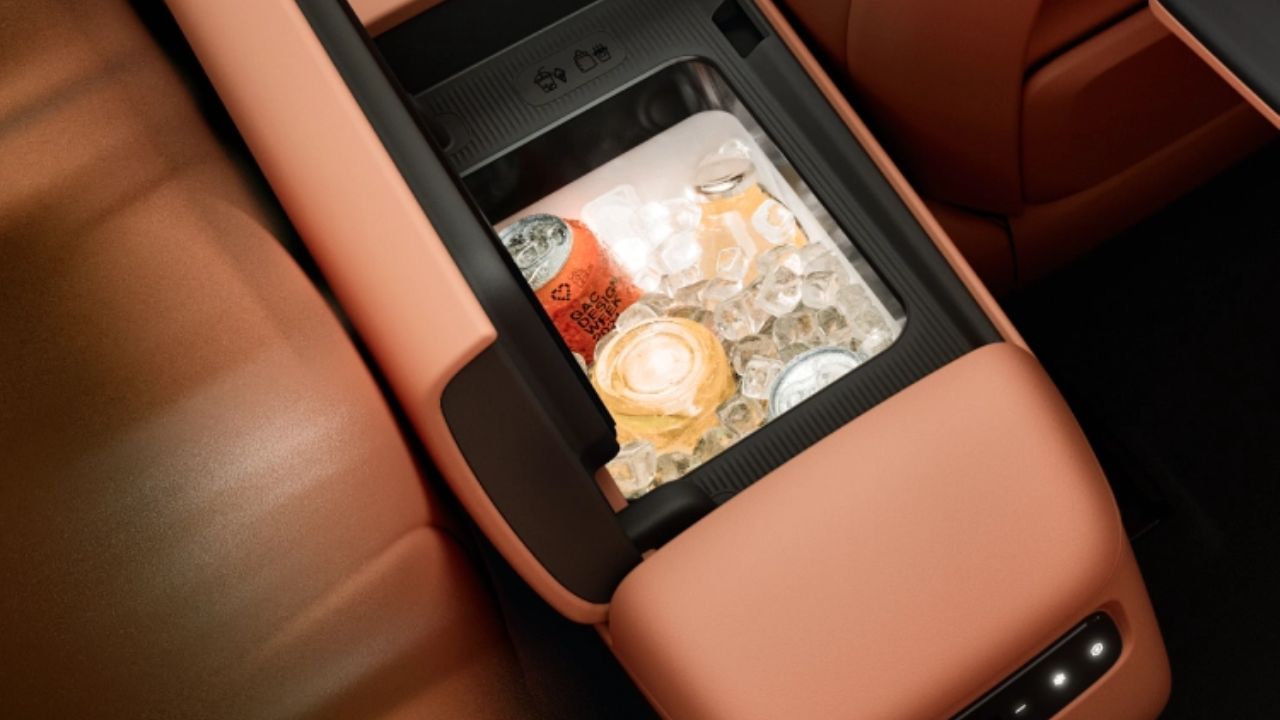
The great differential of the Aion V lies not only in its electric propulsion but also in its comfort and convenience features. The Chinese SUV comes equipped with a refrigerator in the center console that also functions as a heater (reaching up to 50°C), front seats with massage and ventilation, and a system that allows the passenger seat to recline completely, transforming the rear space into a bed with 1.70m in length.
What Does the GAC Aion V Offer for R$ 220 Thousand?
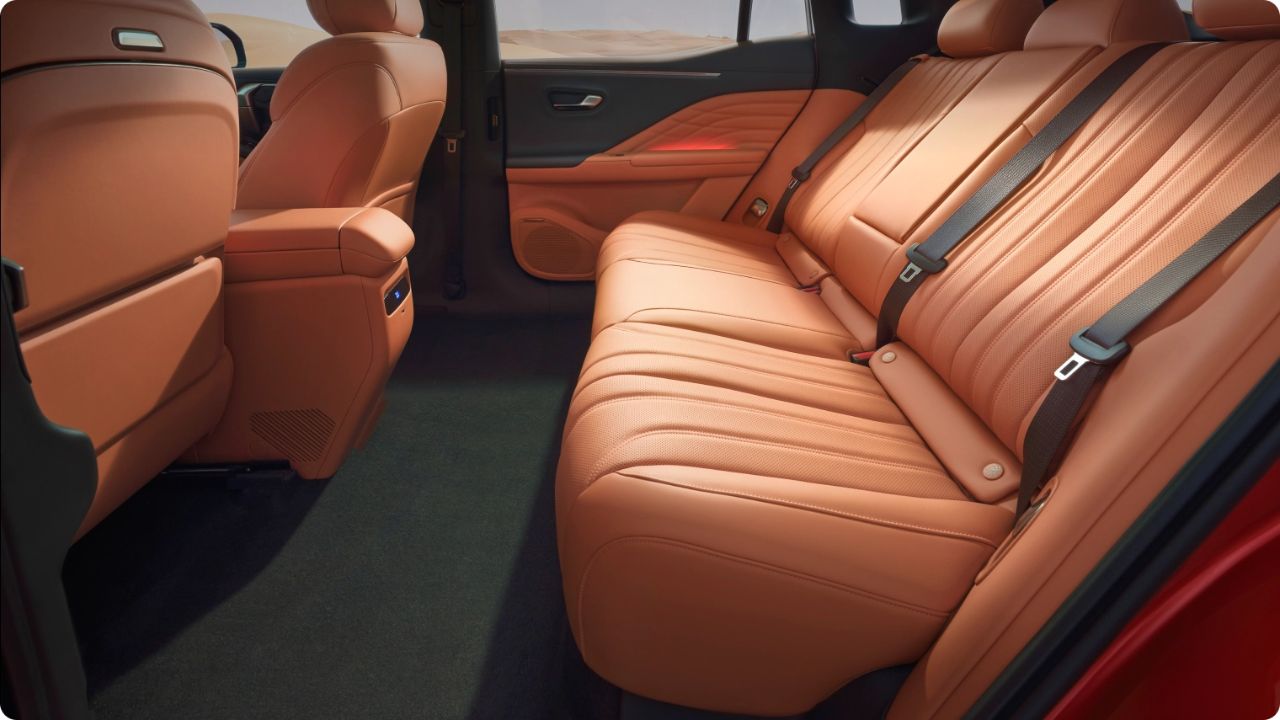
The most impressive feature, highlighted by Carro Chefe, is the internal modularity. With one command, the front passenger seat moves forward and reclines completely, aligning with the rear seat. This creates a flat space of 1.70m, allowing two adults to rest comfortably. GAC even plans to sell an optional inflatable mattress in China for the model, turning the car into a real “rest mode.”
-
2027 Toyota Corolla Cross Unveiled: New Design, Enhanced Fuel Efficiency, Reduced Maintenance Costs, Advanced Technology, Connected Services, and Up to 10-Year Warranty

-
Fiat Cronos Precision 2018: Affordable Sedan with Spacious Trunk and Reliable Maintenance
-
Volkswagen to Cut Production by 1 Million Cars by 2030, Reducing Jobs and Platforms, Focusing on More Profitable Models

-
Toyota Launches First 100% Electric Car in Brazil: bZ4X with 343 HP, All-Wheel Drive, 361 km Range, Priced at $419,990 BRL, Limited to 99 Units



Besides the “bed”, the center console houses a functional refrigerator. Unlike simple refrigerated compartments, it reaches low temperatures and, conversely, can heat food or beverages up to 50°C, functioning almost like a microwave. To complete the luxury package, the front seats not only have electric adjustments but also systems for ventilation, heating, and multiple massage modes, rare features in this price range.
Performance, Range, and Fast Charging
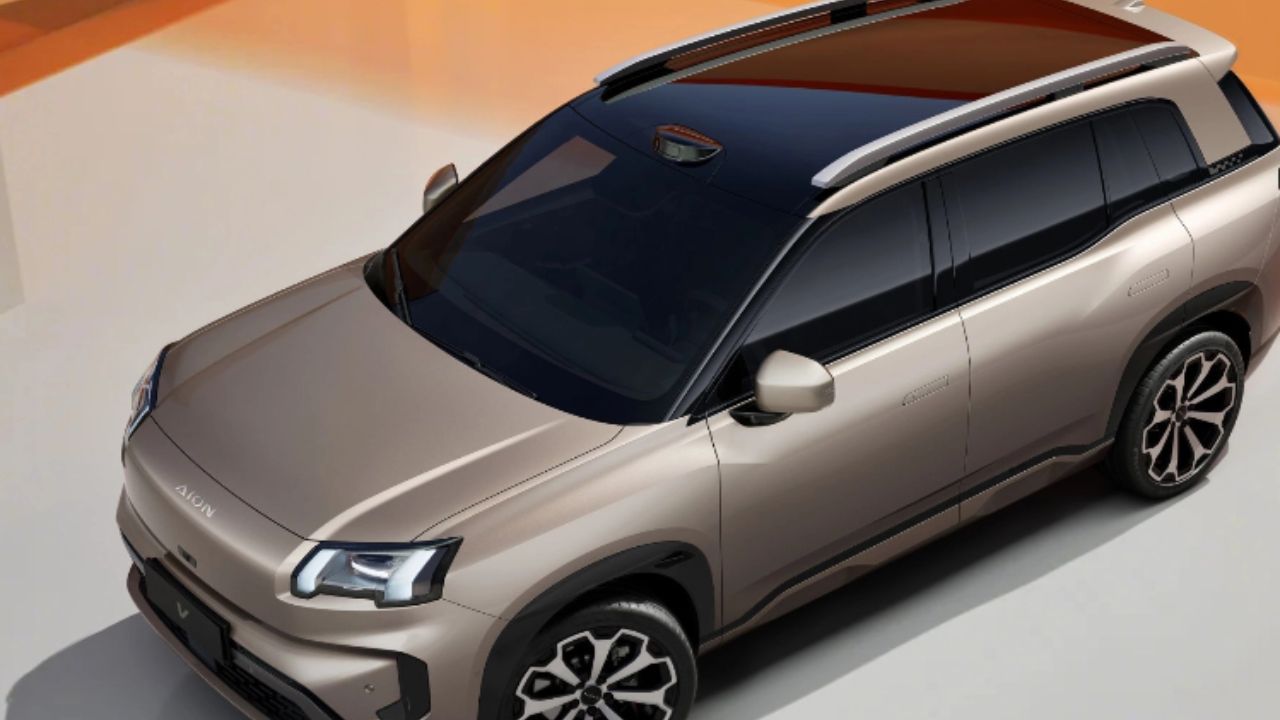
Under the hood (which, according to Carro Chefe, suffers from not having a front trunk, the “frunk”), the GAC Aion V uses a front electric motor. The SUV has front-wheel drive, delivering 204 hp and 24.5 kgf·m of instantaneous torque. Weighing 1,920 kg, the model achieved a 0 to 100 km/h performance recorded at 7.4 seconds in the channel’s tests, slightly better than the official 7.9 seconds announced.
The range declared by Inmetro is 389 km with a full charge. However, in real urban use, Carro Chefe estimates that the number could reach 430 or 440 km, as electric vehicles tend to be more efficient in stop-and-go traffic. One of the technical strengths of the Aion V is its fast charging architecture: it accepts up to 180 kW on DC chargers, allowing to recover from 30% to 80% of the battery in just 16 minutes.
Hits and Misses of the Chinese Interior
The interior finishing was a highlight in the evaluation. The SUV uses soft touch materials and leather in abundance, without visible rigid plastics, conveying a sense of superior quality. The rear space is vast, enhanced by 90-degree door openings, facilitating access. Another positive highlight was the presence of a panoramic sunroof with an electric blind, a direct criticism to competitors like the BYD Seal and Volvo EX30, which force the use of films in Brazil.
Despite the luxuries, the GAC Aion V suffers from common usability issues found in modern Chinese cars. The first, and most bizarre, is the total absence of a glove compartment. According to Carro Chefe, the driver has no place to store documents and has to improvise. Additionally, the dependence on the multimedia system is total: even adjusting the mirrors requires touch on the screen. The channel also noted a design flaw: the passenger sun visor, when opened, obstructs the view of the rearview mirror.
The Dilemma: Product vs. New Brand


The verdict of Carro Chefe for the GAC Aion V was a 9.5 out of 10. The product itself is considered excellent, delivering a level of comfort, technology (including an ADAS system that works well in traffic), and luxury that places it far above any competitor in the R$ 220 thousand price range. The comparison with the T-Cross is used to illustrate the equipment leap that consumers can have for the same amount.
Why not a 10? The only question mark is the GAC itself. Being a brand recently arrived in Brazil (about 5-6 months), there is still no history of after-sales, parts reliability, or resale value. Although GAC is the 6th largest automaker in China and produces cars for Honda and Toyota locally, Brazilian consumers take on the “risk of novelty”. The warranty offered is for 8 years or 160,000 km.
The GAC Aion V redefines what is expected from a car in the R$ 200 thousand price range, offering pampering of a superior category. But the Chinese aggressiveness collides with the natural distrust of the market.
Faced with so many luxury items, would you trade a traditional and established SUV, like a T-Cross or Creta, for this electric novelty? Do you think the heating refrigerator and the “couple bed” are real differentiators or just marketing to attract buyers? Leave your opinion in the comments, we want to know what consumers think about this new reality.