





 Portuguese
  English
  Spanish
  3 min of reading
  0 comments


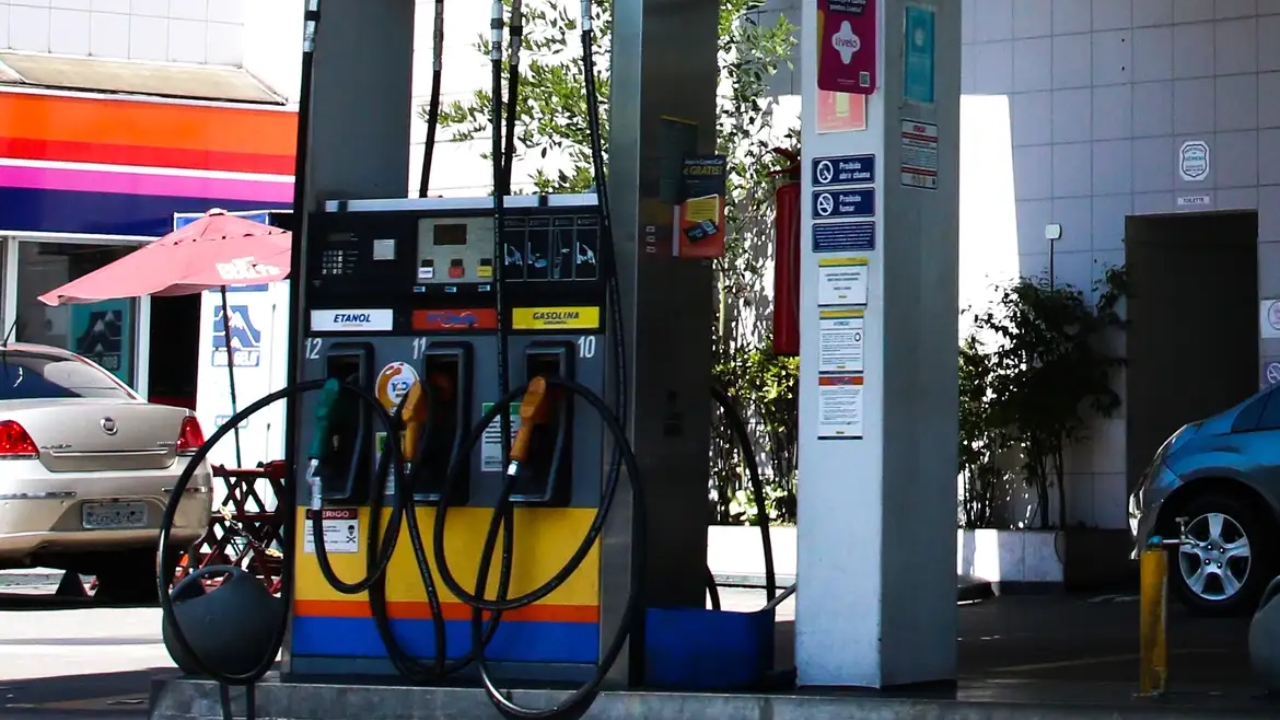
The New Fixed State Tax Rate Takes Effect on January 1 and Is Expected to Raise Prices at the Pump
The turn to 2026 brings a new increase in costs for drivers in Brazil. Starting from January 1, gasoline and diesel are expected to become more expensive at the pumps.
The change occurs due to the ICMS, a state tax that will have a new fixed rate valid nationwide. The adjustment also affects GLP, known as cooking gas.
What Happened and Why This Caught Attention
Starting from January 1, 2026, a new fixed charge of ICMS on fuels will take effect, which raises the price per liter at the pumps.
-
Lula says that the Brazilian naval industry will “thrash” China and Korea, while the government announces billions for barges, pushers, and a new hydro terminal in the Amazon.

-
After nearly three decades and more than 1 million cars produced, Toyota will close the historic Indaiatuba plant on June 30 and concentrate Corolla production in Sorocaba, as part of an R$ 11 billion plan that heavily invests in flex hybrids and even an unprecedented pickup.

-
The number of Brazilian meatpacking plants with suspended meat sales to China rises to five, after the Chinese blocked the JBS unit in Vilhena due to the presence of hormones in the shipments, adding extra pressure on the sector on the eve of the 2026 export quota being exhausted.
-
How much does it cost to live with dignity in Brazil? A study found that in all 79 regions analyzed, the necessary salary was above the minimum of R$ 1,621. In São Paulo, a family of four needs R$ 6,155 per month.



In 2025, there were reductions in the prices passed on to distributors by Petrobras. Now, the increase to consumers is driven by the tax update.
Fecombustíveis warned that, due to the importance of the raw materials, the trend is for an impact on the entire economy from the change approved by CONFAZ.
How Much the ICMS Increases for Gasoline, Diesel, and GLP
For gasoline, the adjustment will be R$ 0.10 per liter, with the rate increasing from R$ 1.47 to R$ 1.57, an increase of 6.8%.
For diesel and biodiesel, the rate rises from R$ 1.12 to R$ 1.17 per liter, an increase of R$ 0.05 per liter and a variation of 4.4%.
For GLP, the charge rises from R$ 1.39 to R$ 1.47 per kilo, an adjustment of 5.7%. This corresponds to an increase of R$ 1.05 per cylinder of 13 kg.
What Are the Rules, Deadlines, and Conditions
Since 2022, the ICMS on fuels has ceased to be a percentage of the price and has become a fixed amount per liter or per kilo.
This format is known as ad rem rate and was established by Complementary Law No. 192.
The increase in 2026 marks the second consecutive year of tax increases. In February of this year, an increase had already occurred.
What Changes in Practice for Drivers and Those Who Use Cooking Gas
With the higher rate, the trend is for an adjustment to the end consumer, as the tax is included in the pump price and also affects the cost of GLP.
João Gabriel Pio, chief economist at Fiemg, states that if the tax increase is passed on entirely, prices could rise on average by R$ 0.10 per liter for gasoline, R$ 0.05 per liter for diesel, and R$ 0.08 per kilo for GLP.
He emphasizes that these values reflect only the tax effect and do not include variables such as exchange rate, international oil prices, or refinery pricing policies.
What May Happen from Now On
The change in ICMS is likely to keep pressure on fuel prices throughout the beginning of 2026, especially if passed on to the end consumer.
In addition to the direct impact on fuel supply, the increase in the costs of gasoline, diesel, and GLP may influence day-to-day expenses, as fuels are essential inputs for the economy.
The central point is simple: the new fixed ICMS rate takes effect on January 1, 2026 and raises the prices per liter and per kilo charged in the country.
As a result, drivers and families who depend on cooking gas need to stay aware of the tax’s effect on the final price, keeping in mind that other factors may also change the values over time.






-

-

-

-

-

-

23 people reacted to this.