Portuguese
  Spanish


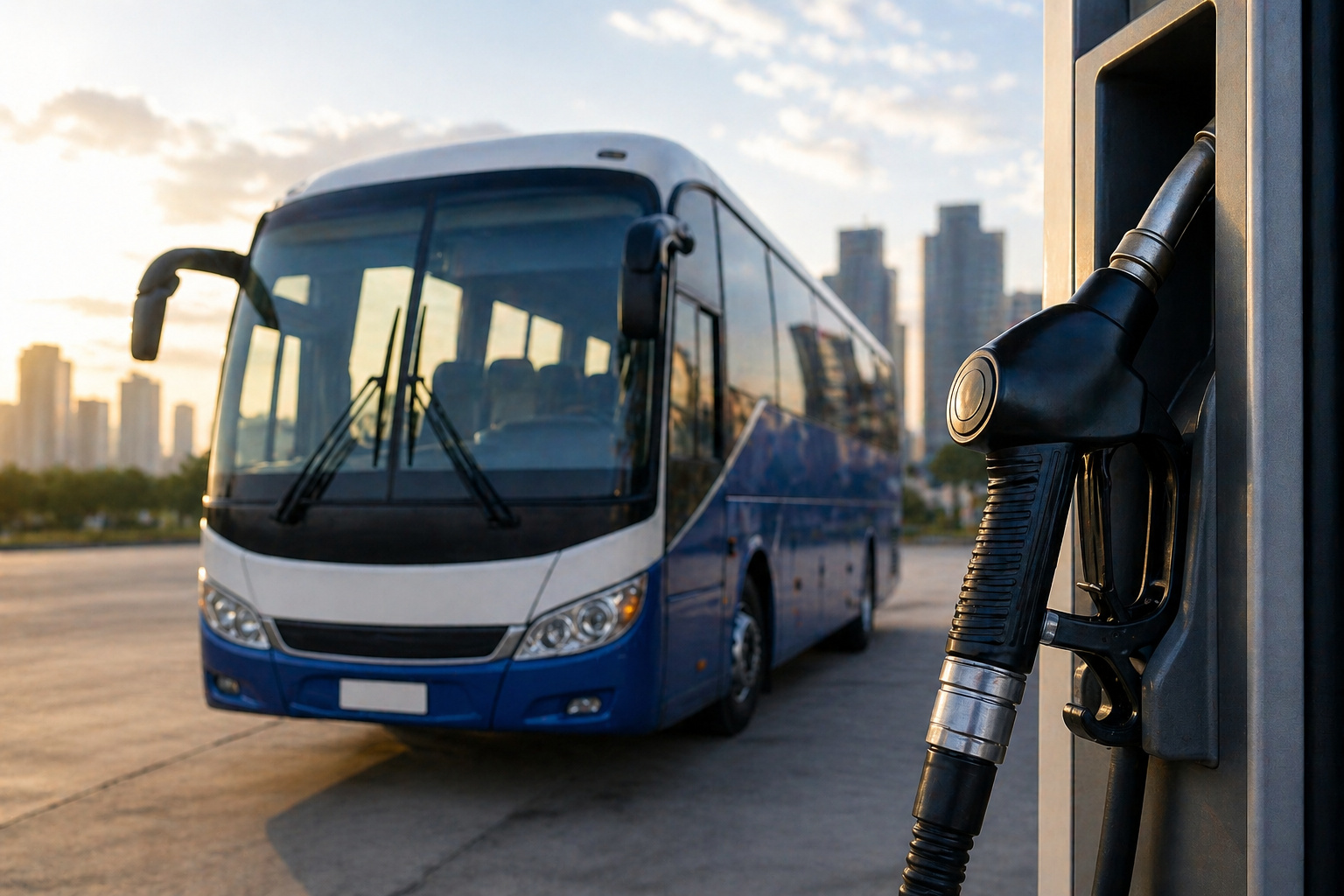

The increase in the price of diesel has directly impacted the passenger transport sector in Brazil. In recent months, companies have been facing higher costs and difficulties in maintaining a sustainable operation.
This scenario is not an isolated event. In fact, it is linked to global factors, especially geopolitical tensions affecting the oil market.
As a result, diesel, which is one of the main inputs for the sector, undergoes frequent price adjustments. Consequently, companies have to deal with increasingly tight margins.
-
Azul tightens its belt, targets aviation fuel prices, and may reduce flights in cities while Campinas, Belo Horizonte, and Recife become key components of the new network.

-
Petrobras surprises the market and reduces diesel prices at refineries, easing pressure on fuels in 2026 and reinforcing its strategy to maintain competitiveness in the energy sector amid international oil fluctuations and global demand.
-
Gasoline prices may have a controlled increase with the new government MP after the crisis between the US and Iran.

-
Five billion-dollar questions put the fuel market on high alert: distributors are avoiding subsidized diesel and leave open the question of who will assume the risk of this cost.



Relationship between oil and the price of diesel
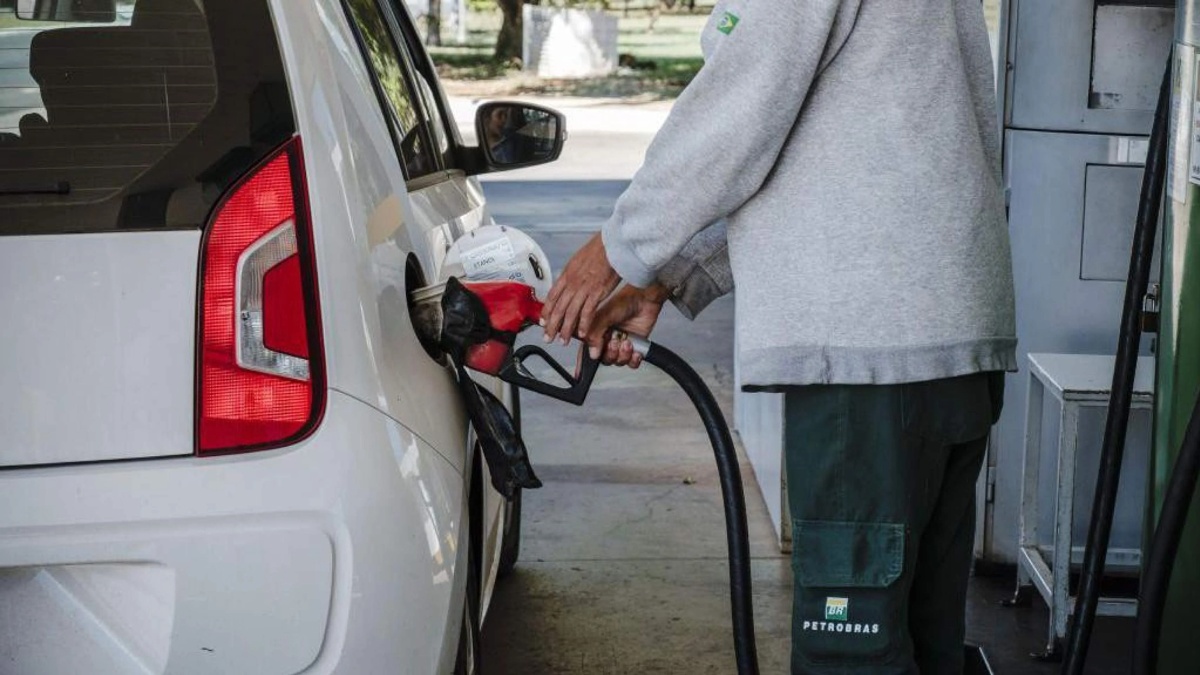
The price of diesel is directly linked to the international oil market. When the price of a barrel rises, the impact quickly reaches Brazil.
In recent months, conflicts in the Middle East have increased global instability. Strategic regions, such as the Strait of Hormuz, have begun to pose a risk to the oil supply.
Thus, the market reacts with price increases. This movement affects the entire energy chain and, consequently, passenger transport.
In addition, factors such as currency exchange variations also influence the cost of diesel in the country.
Direct impacts on passenger transport
For transport companies, diesel represents one of the largest operational expenses. When the price goes up, the impact is immediate.
In this scenario, companies face three major challenges. First, the increase in costs reduces profit margins.
Second, there is difficulty in passing this increase on to the consumer. This is because passenger transport involves regulatory issues and price sensitivity.
Finally, the capacity for investment decreases. With fewer resources available, companies postpone projects and modernizations.
Thus, many operations begin to function at the limit of financial sustainability.
Structural fragility of the sector
The current crisis reveals a deeper problem. The transport sector is heavily dependent on diesel, which makes it vulnerable to external factors.
This dependence means that international events, such as wars or political decisions, directly impact local operations.
Furthermore, the lack of affordable energy alternatives amplifies this fragility.
Therefore, the current scenario represents not just a momentary crisis, but also a structural challenge.
Operational efficiency becomes a priority
Given this context, companies need to seek solutions to maintain competitiveness. In this sense, operational efficiency is no longer a differentiator and becomes a necessity.
Controlling diesel consumption becomes essential to reduce costs and improve results.
In addition, small improvements in management can generate significant savings over time.
For example, optimizing routes and reducing waste are strategies that help balance the books.

Technology gains ground in the sector
With pressure on costs, technology is taking on a central role. Digital tools help companies monitor and control their operations with greater precision.
In this context, management and data analysis solutions become fundamental. They allow for the identification of failures, reduction of waste, and an increase in efficiency.
Furthermore, digitalization facilitates faster and more strategic decision-making.
Thus, companies that invest in technology are better able to adapt to the challenging scenario.
Telemetry as an ally in cost reduction
Among the available solutions, telemetry stands out. This technology allows for real-time monitoring of diesel consumption.
With this, managers can identify usage patterns and potential waste.
In addition, telemetry helps improve vehicle performance and optimize operations.
For example, it is possible to monitor speed, braking, and stop time. This data contributes to more efficient fleet management.
Therefore, the adoption of this technology can generate savings and increase the competitiveness of companies.
Challenges for the Future of Transportation
The current scenario shows that the transportation sector needs to adapt quickly. The dependence on diesel will continue to be a challenge until there are viable large-scale alternatives.
Moreover, external factors are expected to continue influencing prices.
Therefore, companies need to invest in innovation, management, and strategic planning.
At the same time, public policies can also contribute to reducing the sector’s vulnerability.
Path to Greater Sustainability
The pursuit of efficiency and innovation also opens the way for more sustainable solutions. Although diesel is still dominant, new technologies may reduce its share in the future.
In this regard, investment in energy alternatives can help decrease fuel dependency.
Moreover, improvements in operational management contribute to reducing environmental impacts.
Thus, the sector can advance not only in efficiency but also in sustainability.


Scenario Demands Adaptation and Strategy
The increase in diesel reinforces the need for adaptation in passenger transport. Companies that can adjust quickly have a better chance of overcoming challenges.
In this context, technology, efficient management, and planning become essential elements.
At the same time, the scenario shows that dependence on fossil fuels still represents a significant risk.
Thus, the future of the sector will depend on the ability to balance costs, innovation, and sustainability in an increasingly dynamic environment.